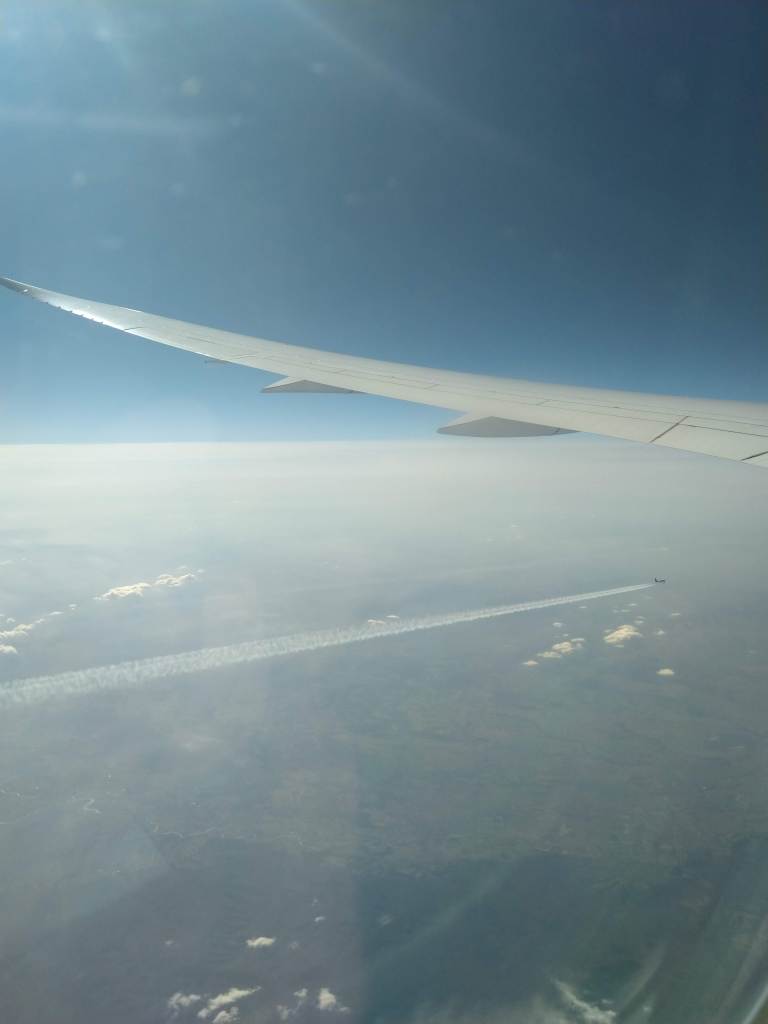
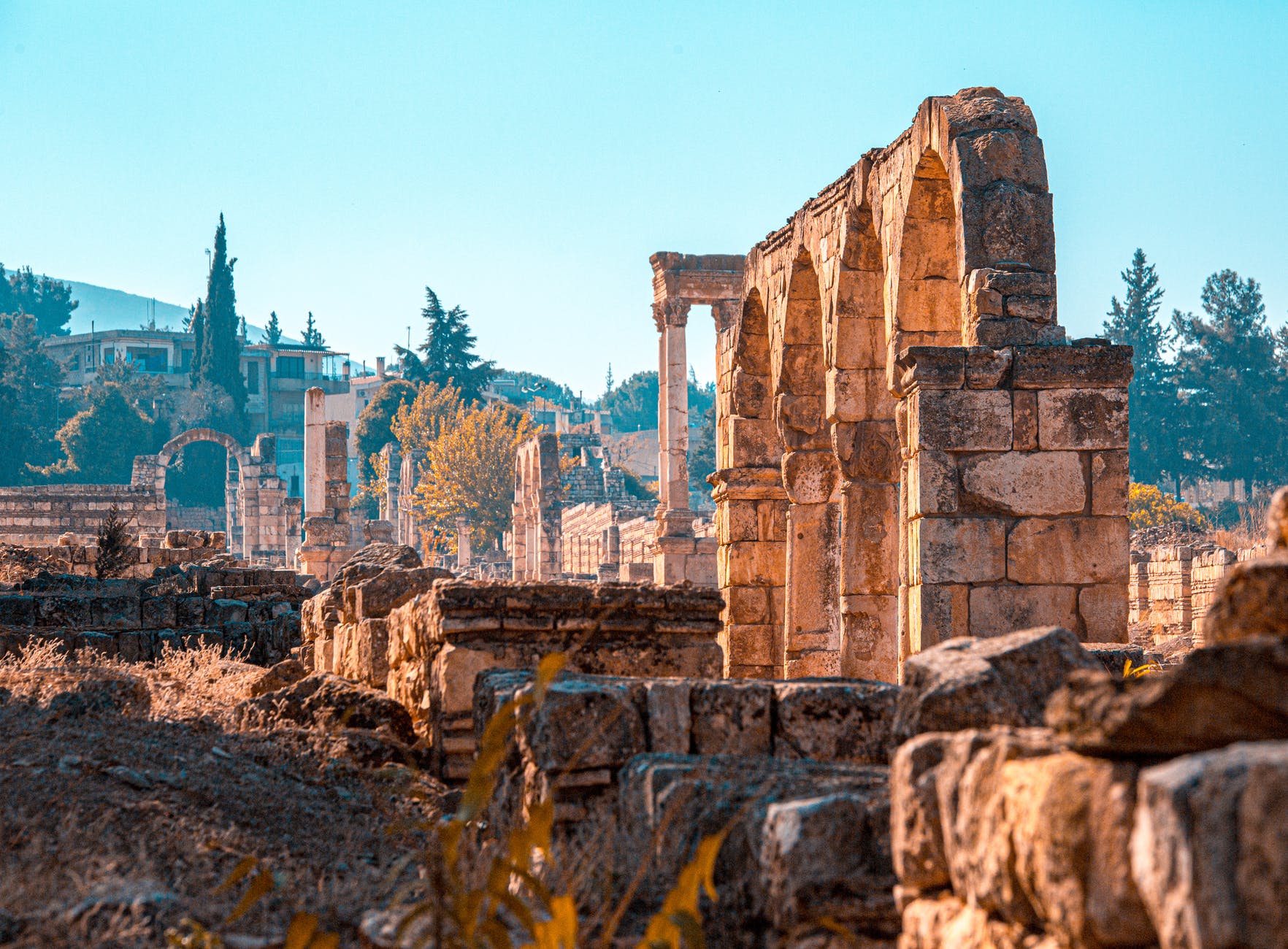
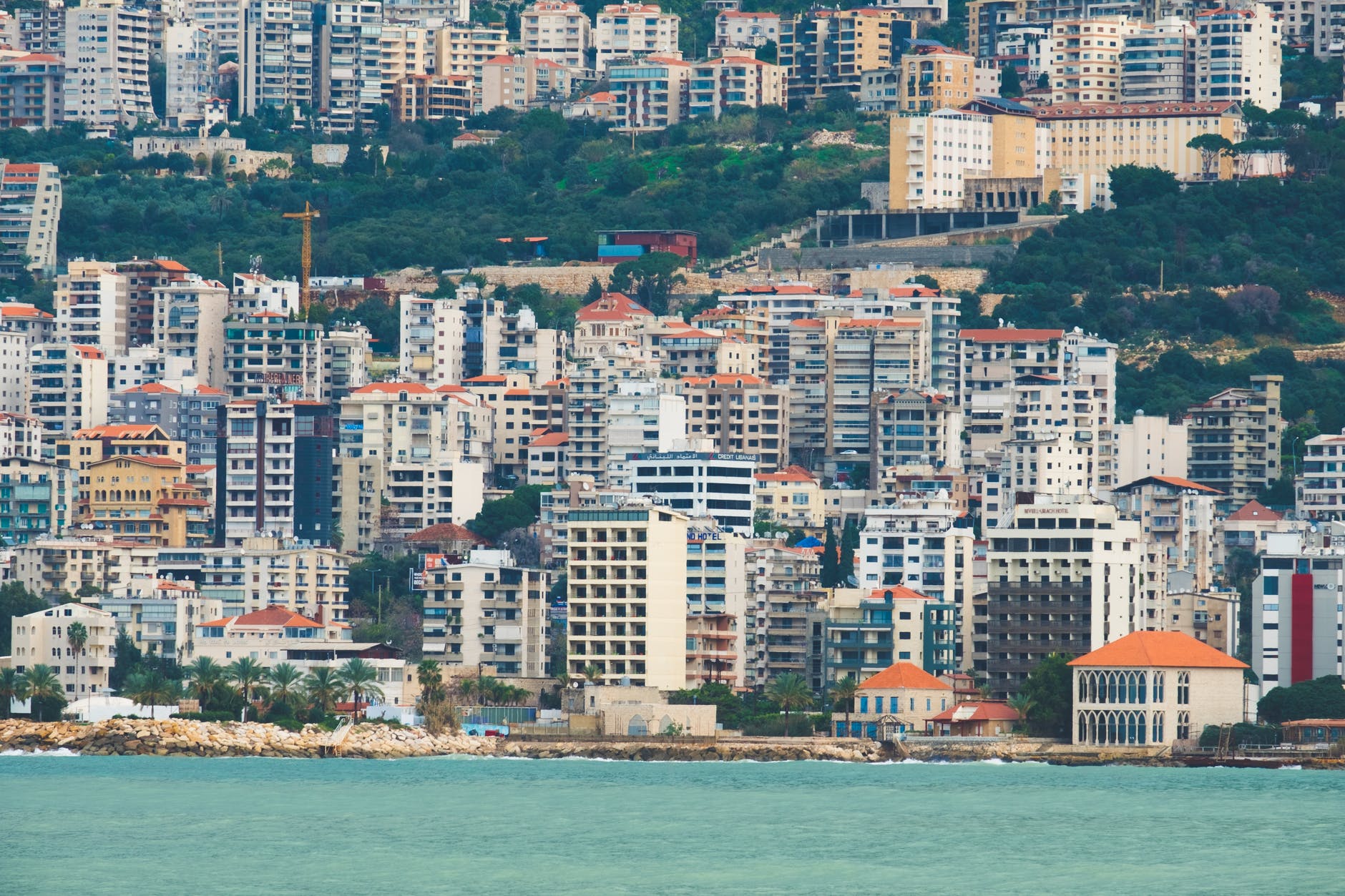
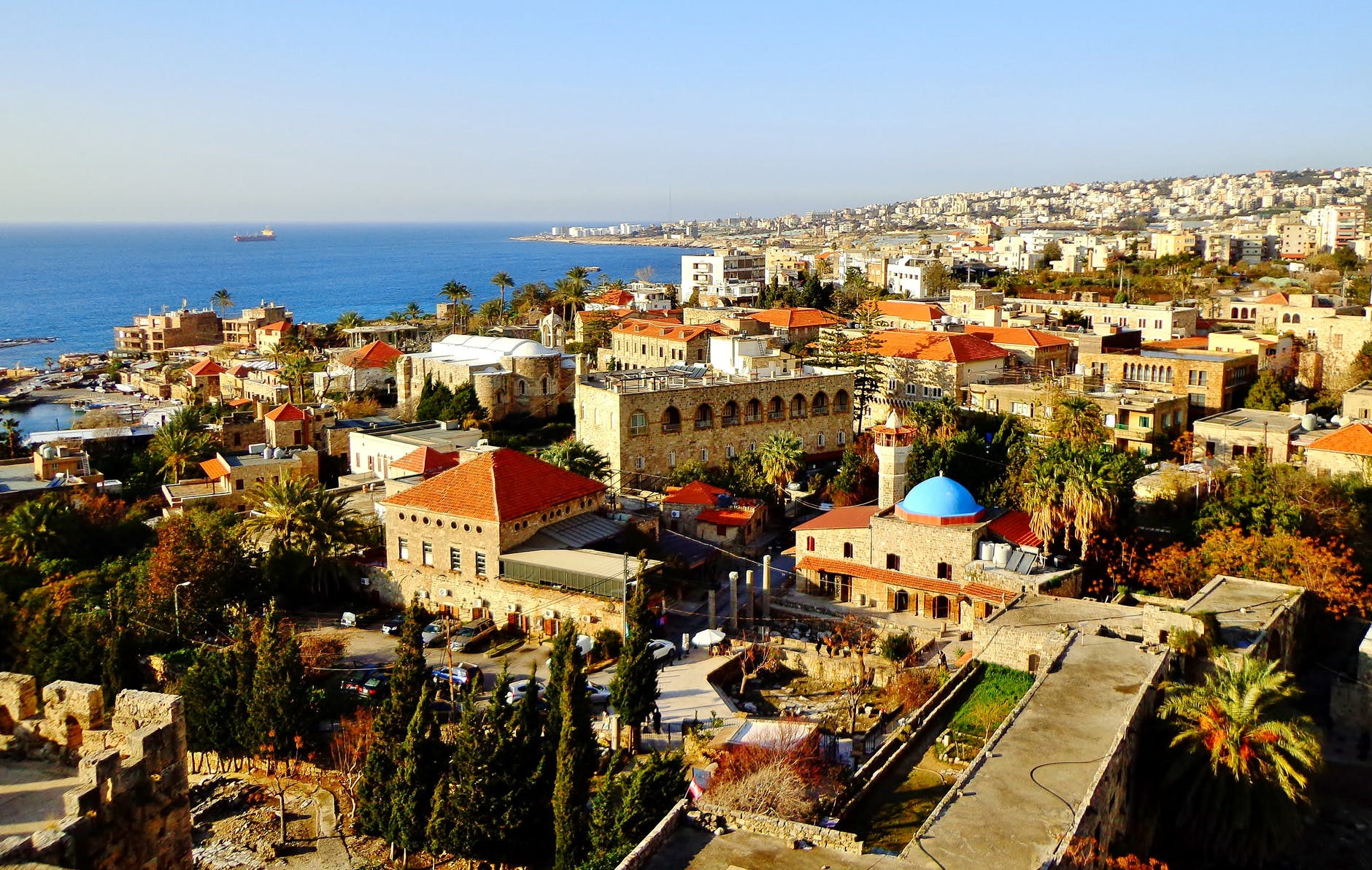
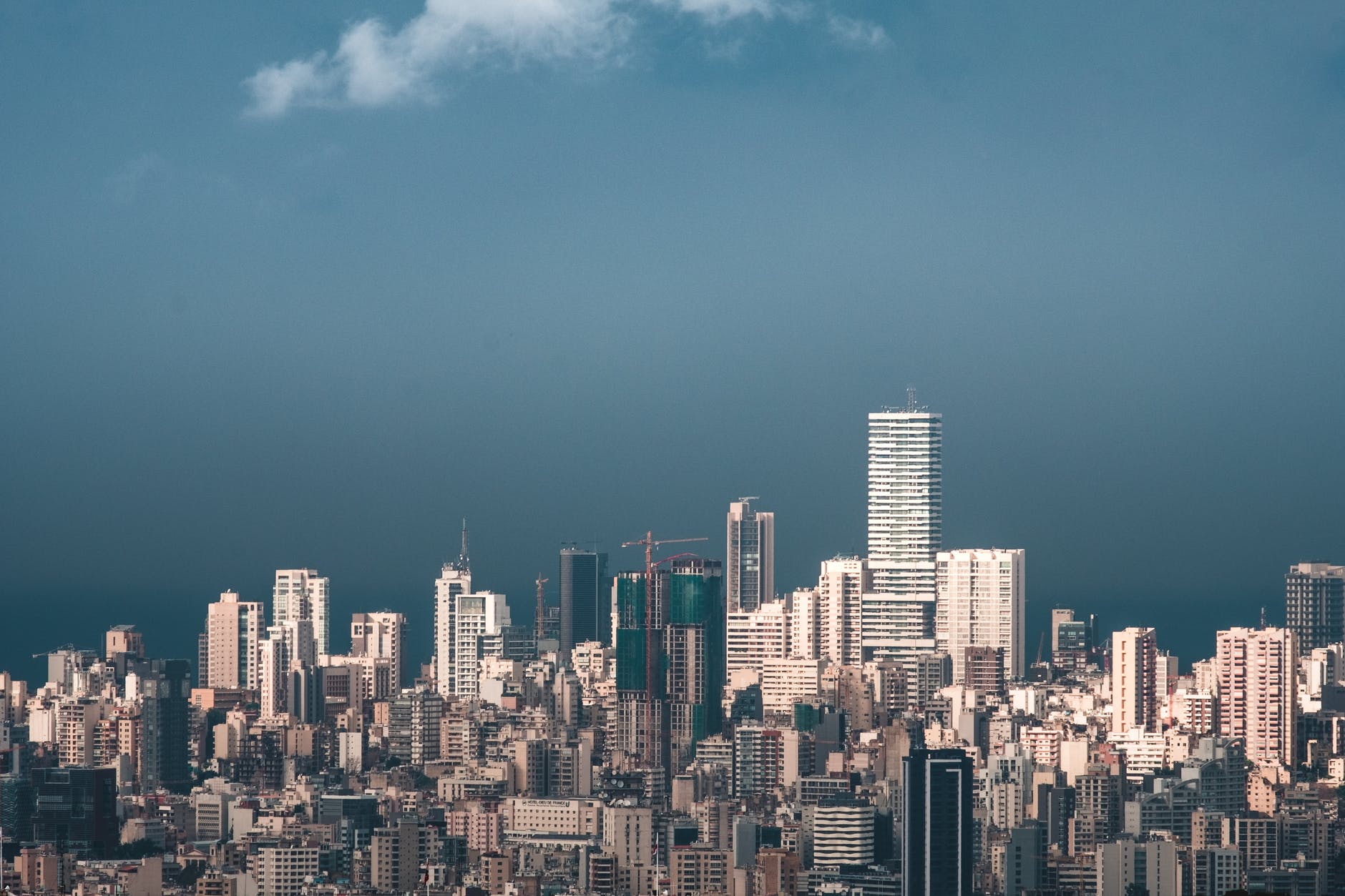
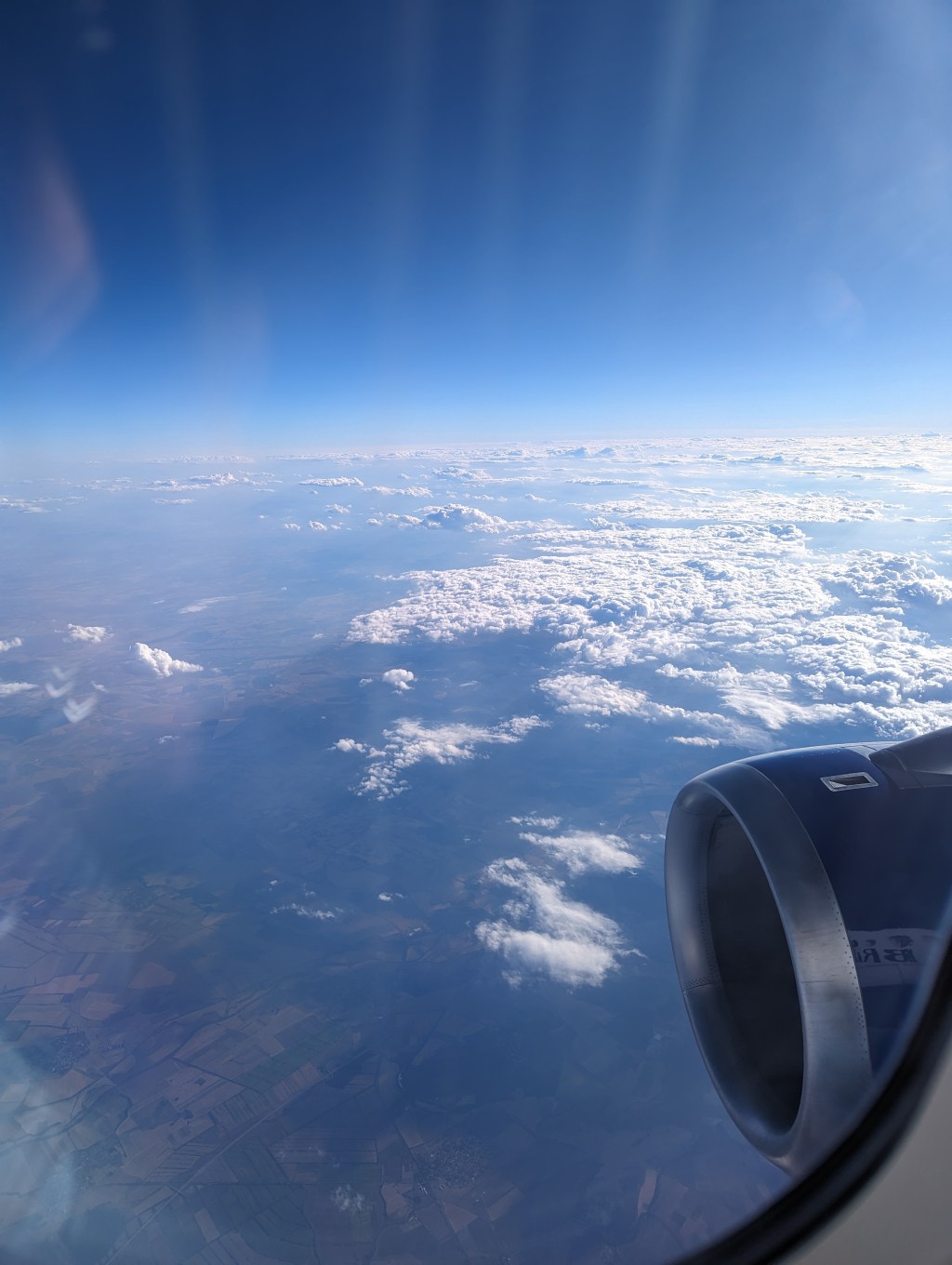
Arriving into Istanbul by air simply takes your breath away. Passing the Bulgarian border into the far western landscape of Turkey, you soon find yourself skirting the northern coast of the Sea of Marmara heading towards Istanbul.
As the plane banks left and thunders north towards the main international airport, in the direction of the Black Sea, you cannot be anything but amazed.
Huge. That is the only way of describing the city of Istanbul and its environs. Seemingly endless. That would be another alternative in describing this vast slice of human habitation.
Eventually escaping the airport and driving back towards Sultanahmet, as you approach the Ataturk Bridge, you are once again overwhelmed by the sheer scale of Turkey’s ‘second city,’ (Ankara is actually the capital).
In this deeply Islamic country, there would seem to be a mosque atop every hill, and whatever your religious or spiritual predilections maybe, architecturally and historically, they are a magnetically fascinating and engaging sight.
John Raby's Food & Travel
All things food and travel related. Visit often!
-
-
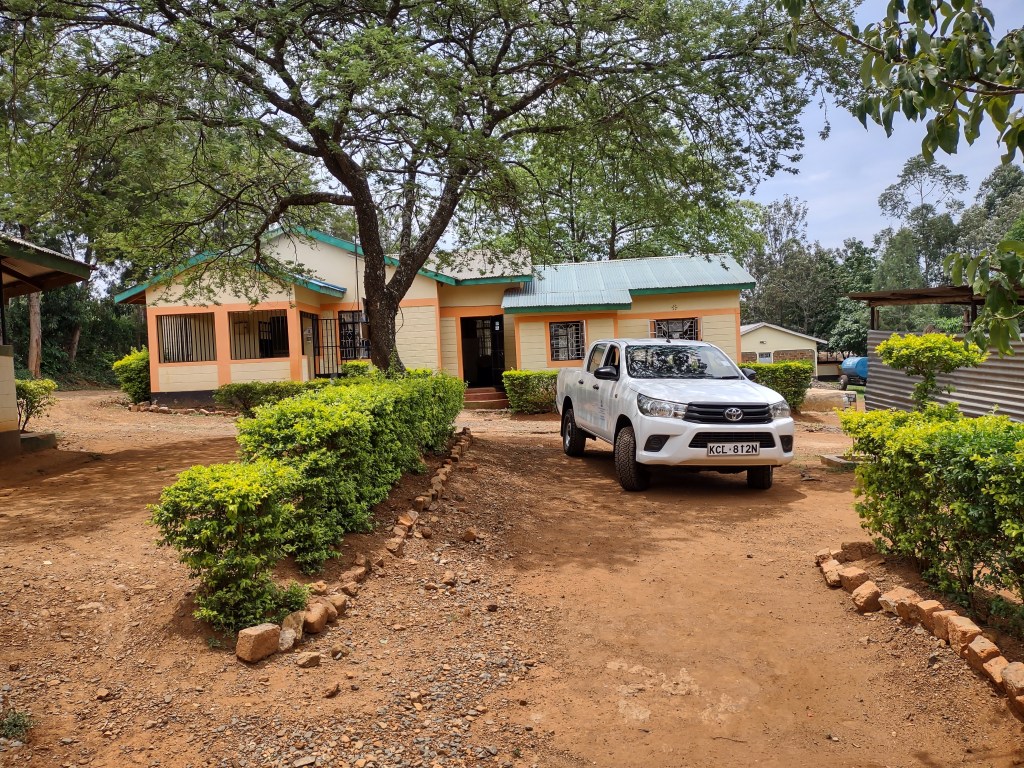
In the far reaches of Western Kenya, a charity known as Justice and Mercy, has been reaching out to the poor and disadvantaged for over 25 years. Founded in 1997 by Rachel Woolmer and Amanda Thomas, JAM is the classic, ‘from small acorns, great trees grow’ organisation.
In April 2022, I travelled to Oyugis in Western Kenya with Rachel Woolmer, to see this work that had been started all those years ago. And not only to witness what JAM were achieving now but to meet the local people that were running this charitable outreach to the poor. Principally, we came to meet Kennedy Okoth Otieno, appointed CEO from the start and still in situ today.
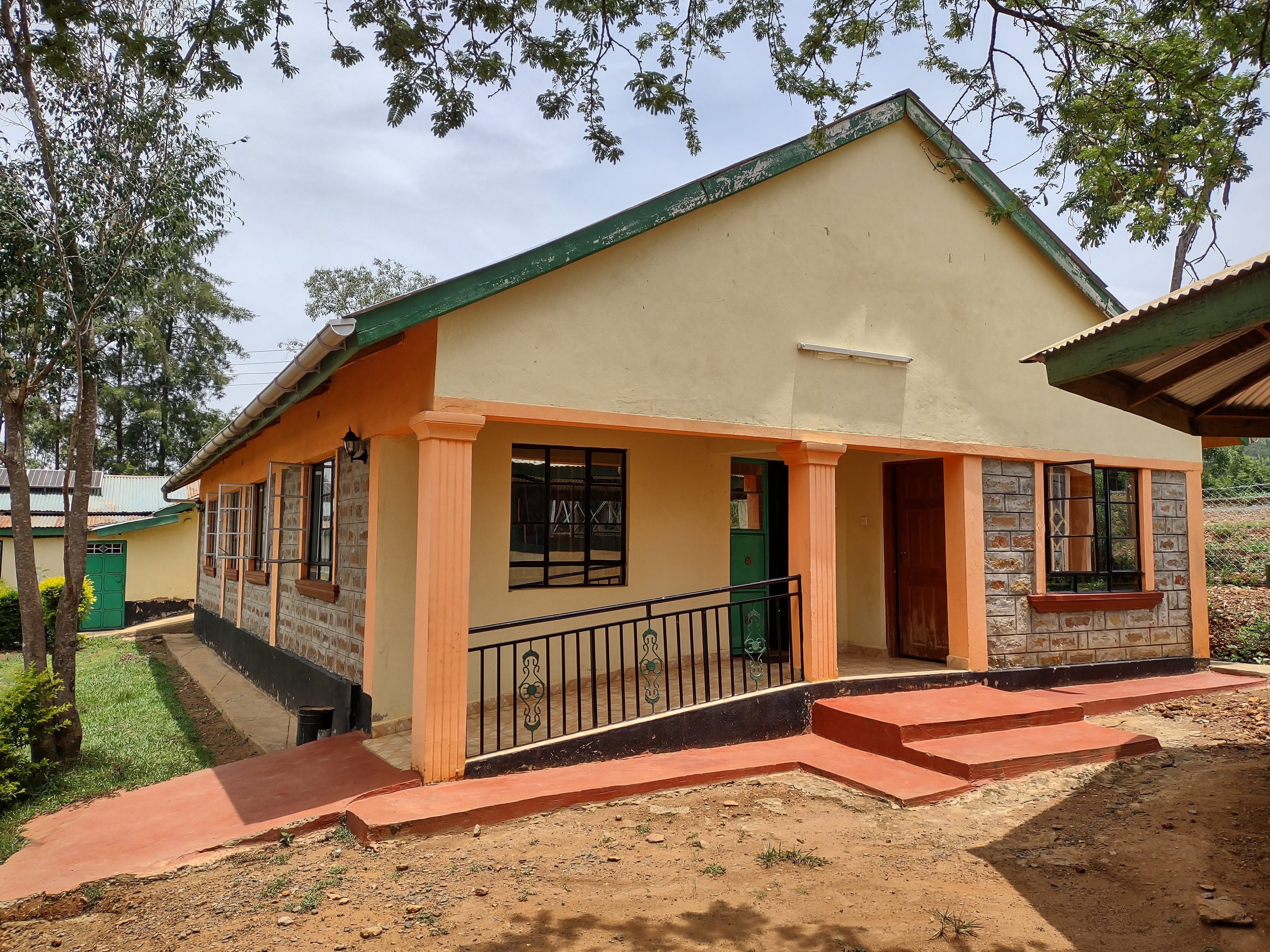
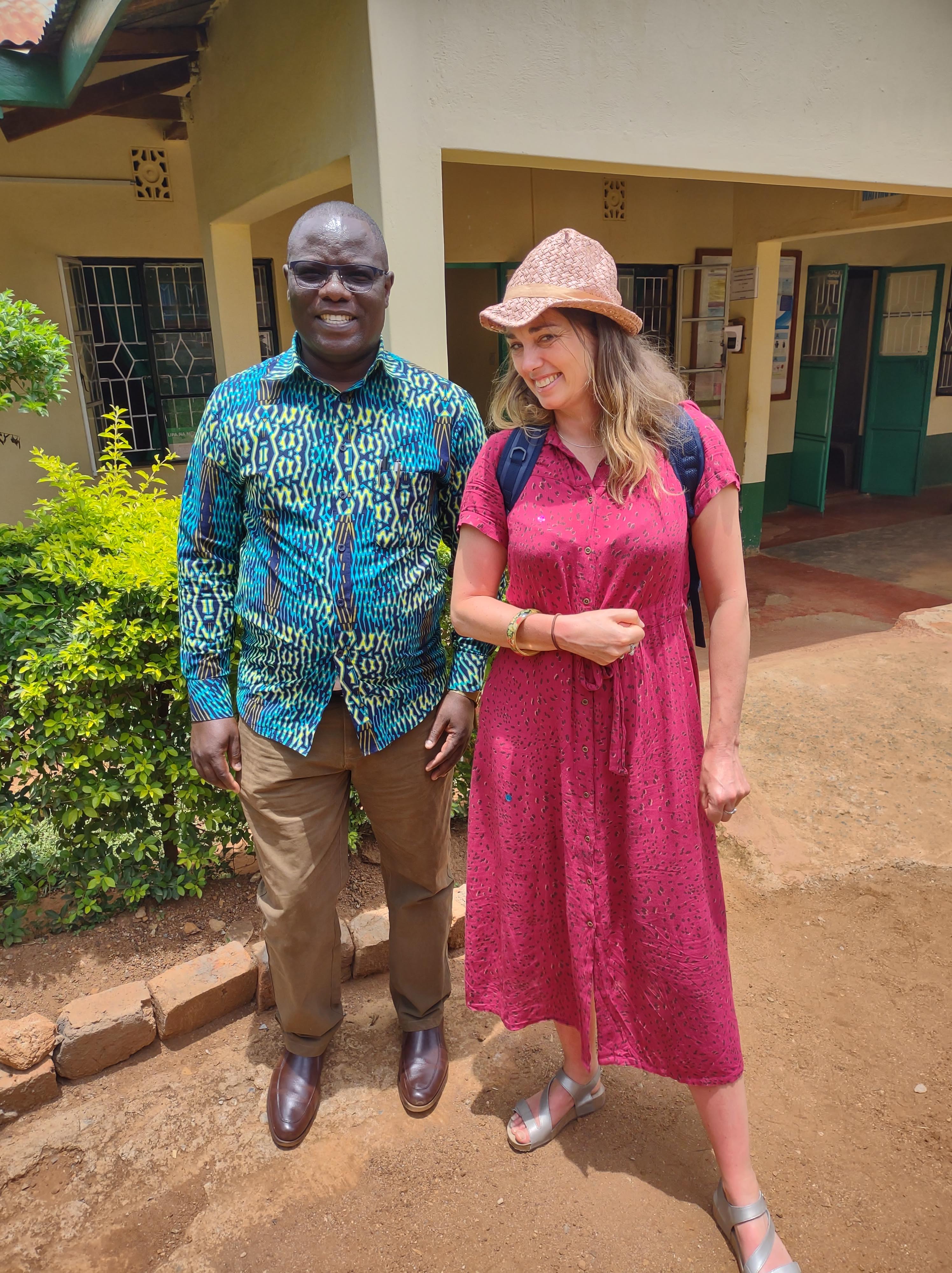
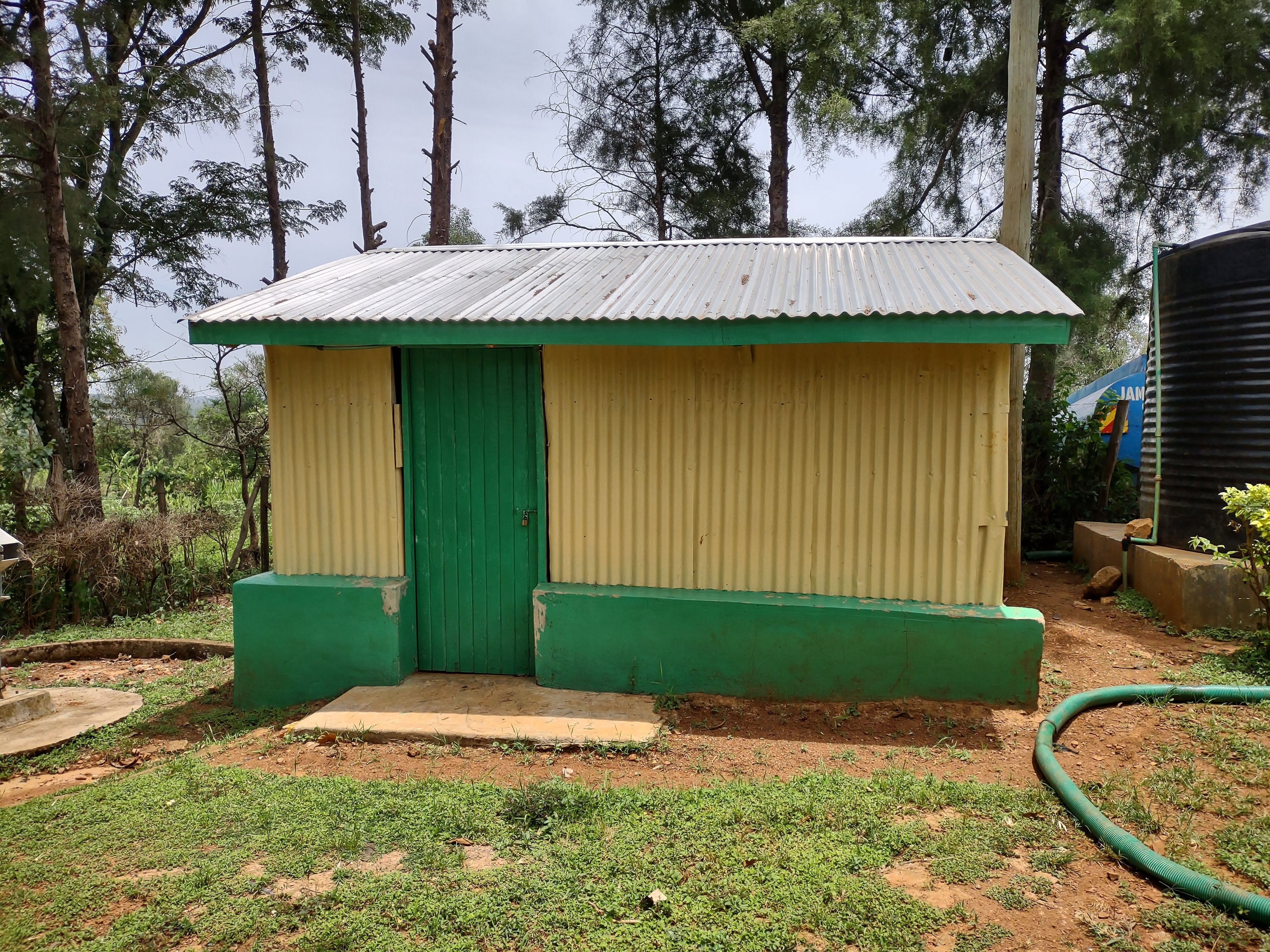
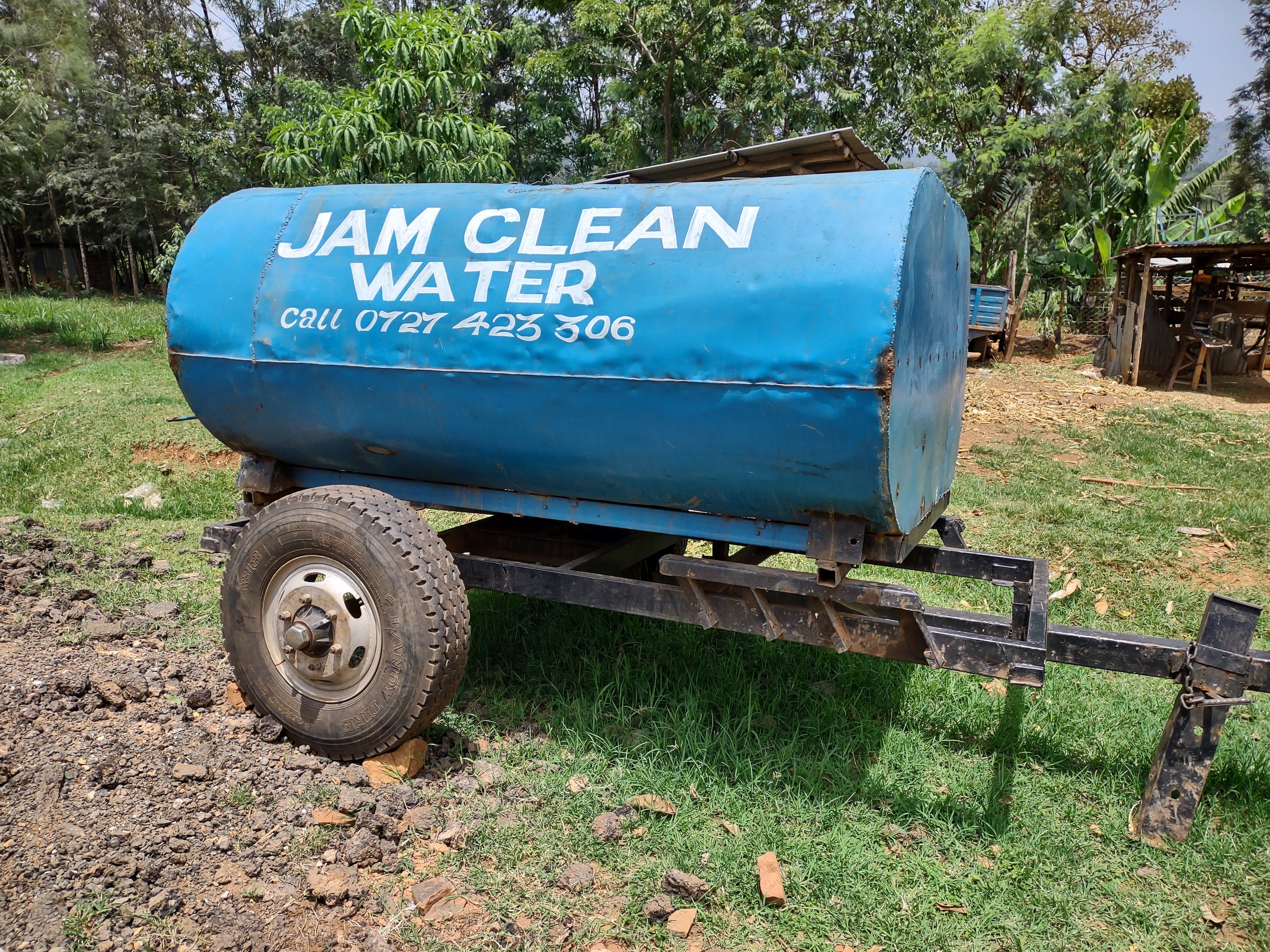
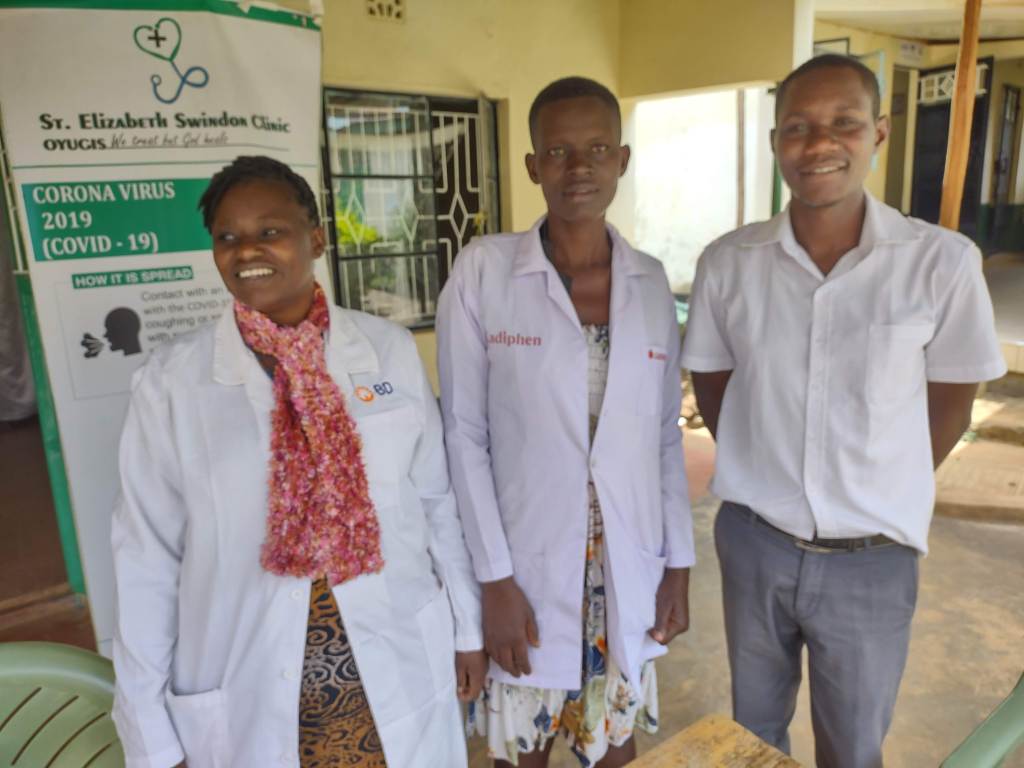
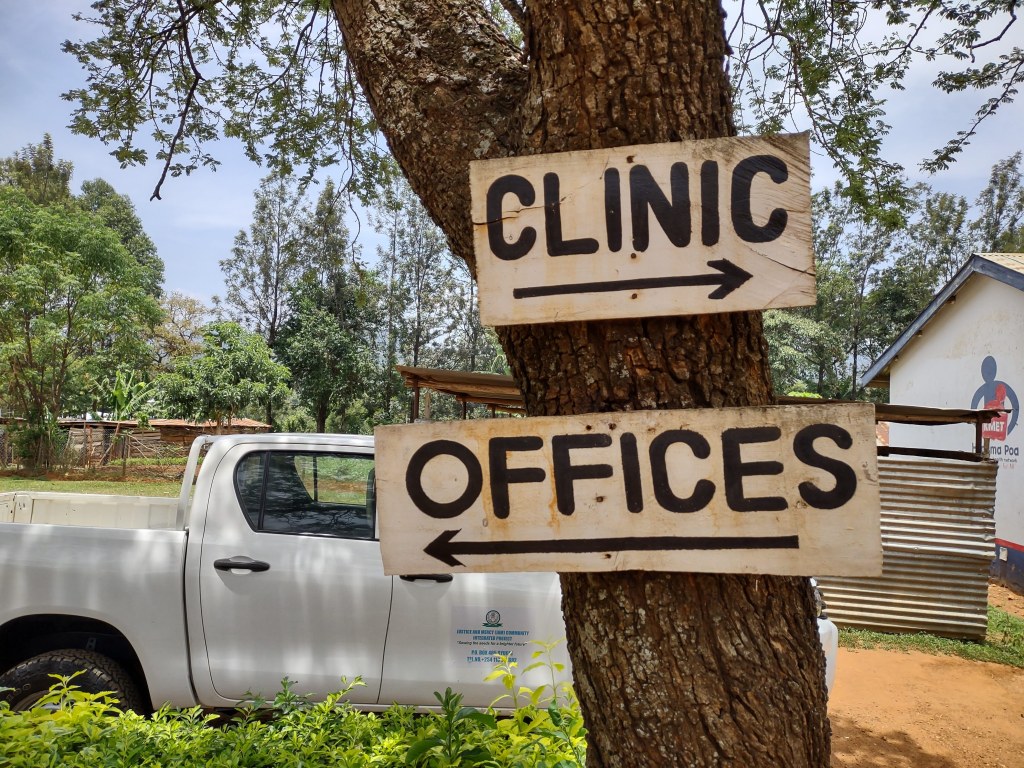
We began our time by meeting the staff at JAM headquarters, just down the road from Kennedy’s house. We talked with staff running the office, the finance director and some of the medical personnel who were preparing for the influx of patients for their newly, government-funded clinic. With this funding in place, they will be able to provide much-needed healthcare for the people living in the villages nearby.
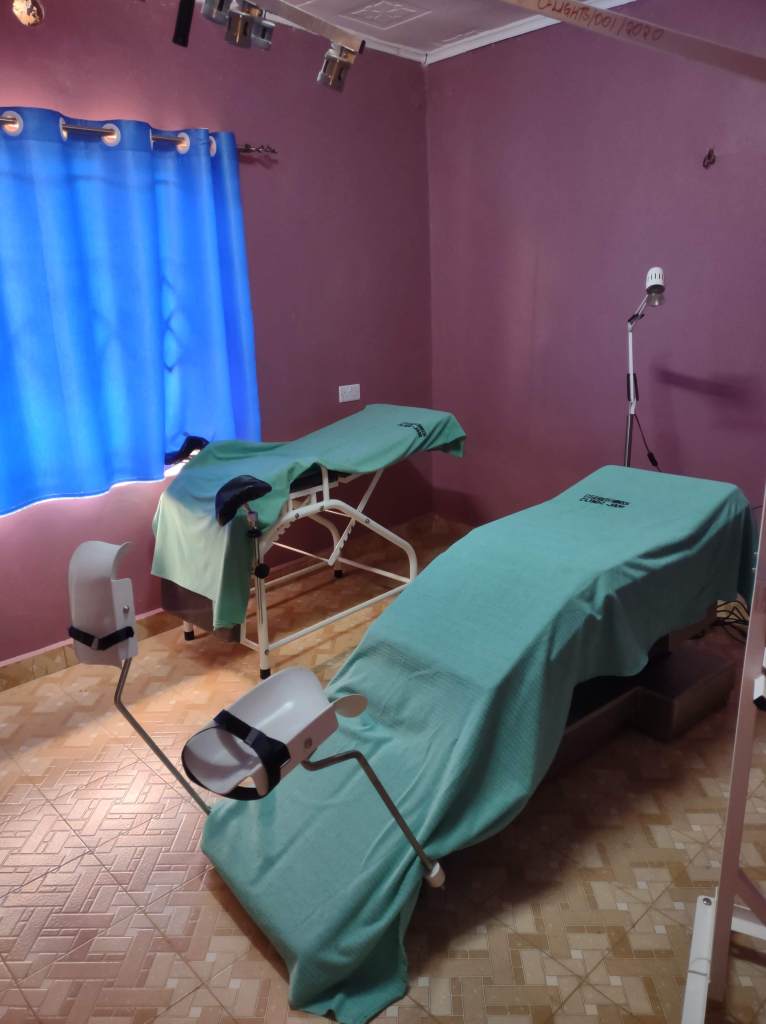
We visited the baby unit that was equipped to help women through the trauma of childbirth and beyond. It’s so wonderful that these facilities exist here in what is quite a remote region of Kenya, with many people living in the hills and on the plains in villages nearby. It was with pride that Kennedy was able to show us around and demonstrate what was on offer.
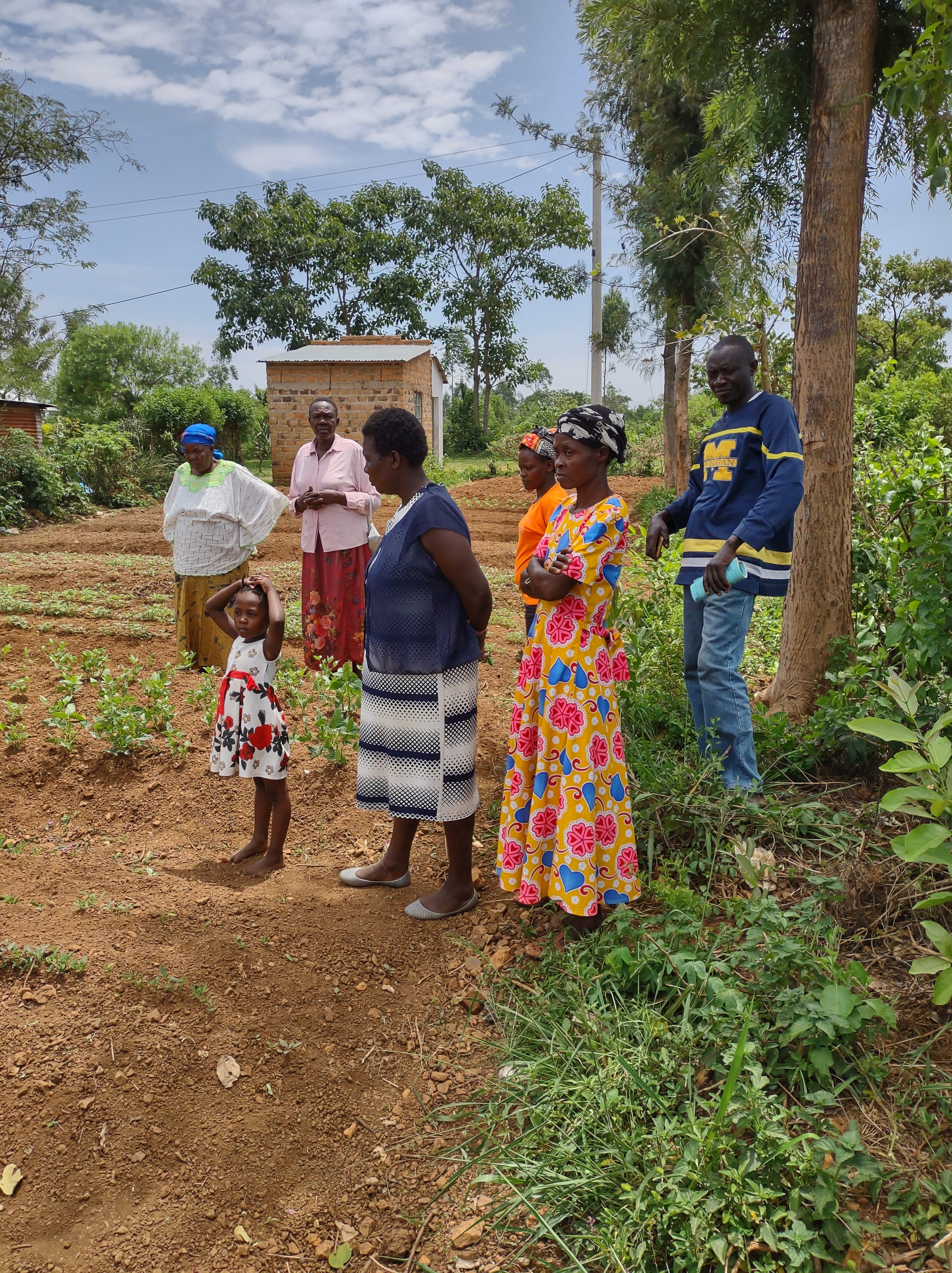
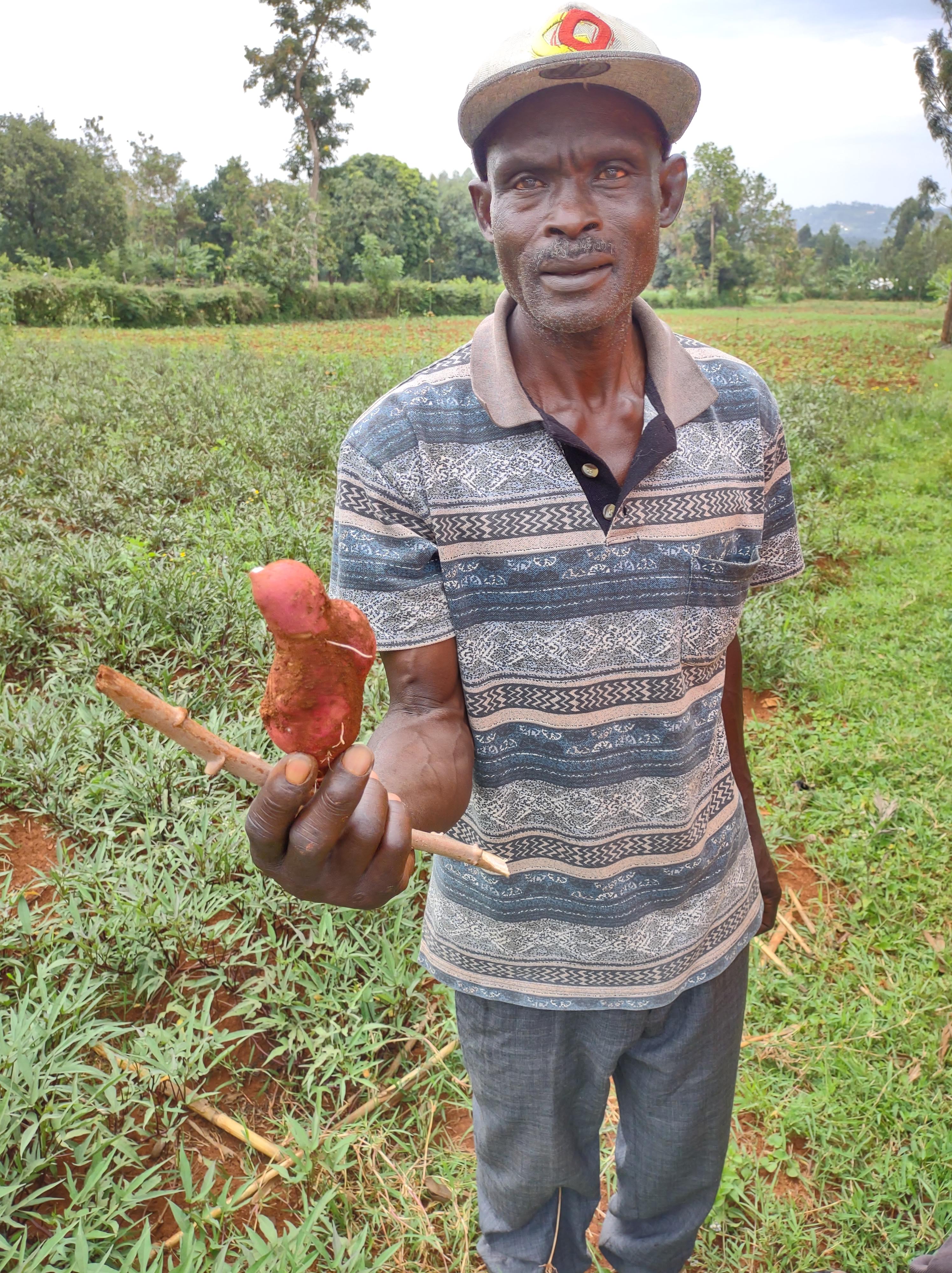
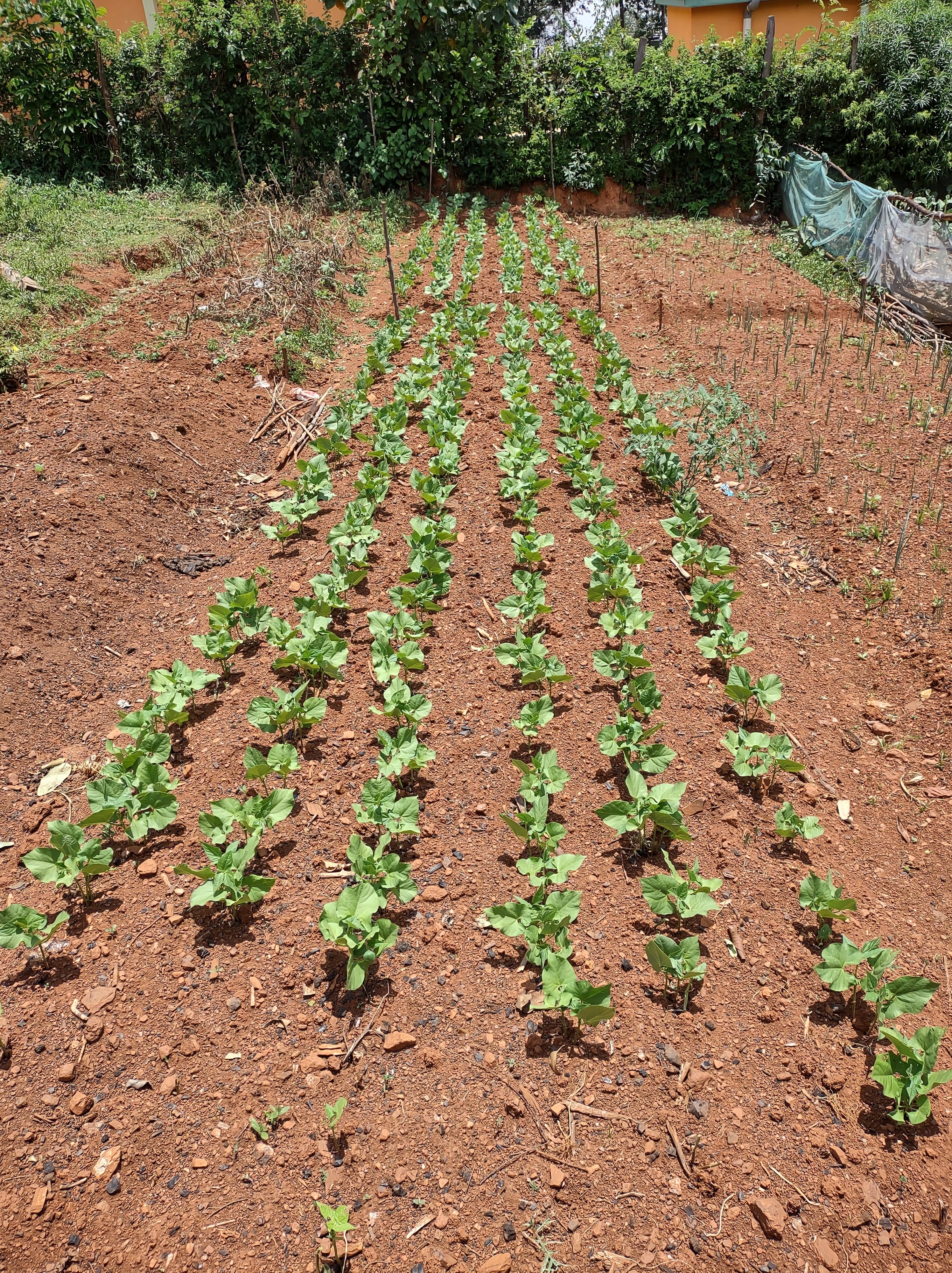
Alongside the medical facilities, we were shown the piece of ground within the JAM campus known as the demonstration plot. Here, local people are shown the best ways of cultivating drought-resistant crops and how to achieve the highest yield. It really is a great way of helping local villagers in a sustainable and positive way, re-educating them for the best possible outcomes.
The next morning we had a lovely time with the staff in the on-campus chapel where I was able to share some encouragement with the team. We later climbed into the JAM off-road vehicle and we visited some of the villages that are working with and benefiting from JAM intervention through their food security and animal husbandry schemes. This is all about making these villages self-sustainable and giving them a more positive and profitable future.
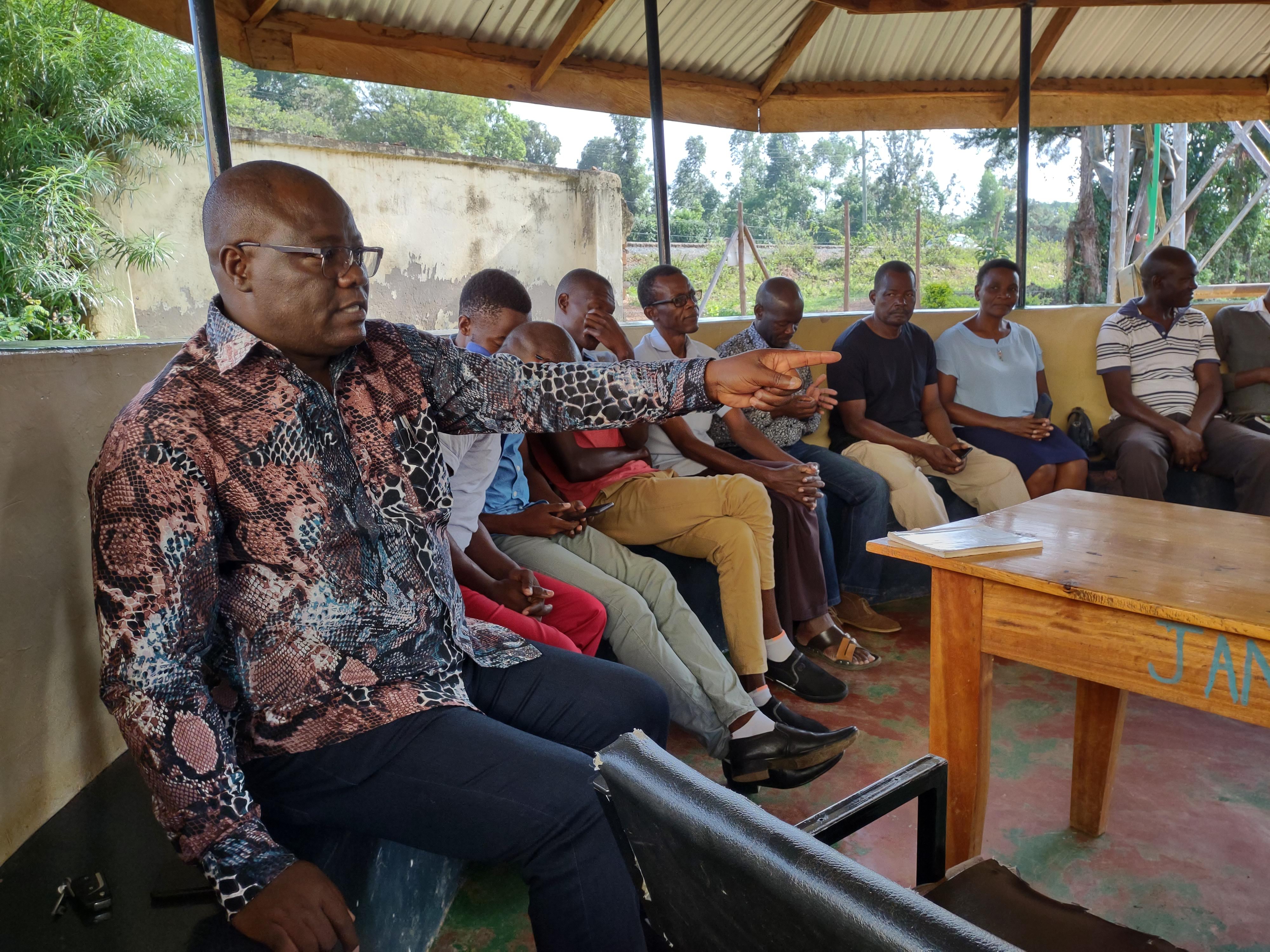
I spoke with Kennedy Okoth Otieno, Director & CEO of JAM, and he told me that they are seeking to ‘sow the seeds of a brighter future’ through transformation of “…rural community widows, poor farmers, people living with HIV, and Vulnerable Children.” Since 1995 when JAM began, God has guided Kennedy on His own path to mould this organization into a “…community-based organisation currently running five important projects: Integrated Health and community clinic, Food Security through Rural Organic farming, Education and psycho-social support, Water and sanitation, and finally Peacebuilding and reconciliation in western Kenya.”
Apart from coordinating these vital projects, Kennedy has also spent much time engaged in fundraising and doing presentations at international conferences, churches, and institutions. In addition, In 2019, he was honoured by a German international organization through the award of a Ph.D. Scholarship to undertake PhD in Development Studies.
In between his studies, Kennedy works for the organization twice a week, with a view to becoming a consultant within this field in the future. This, he feels, will help to expand fundraising and partnership with churches and schools.
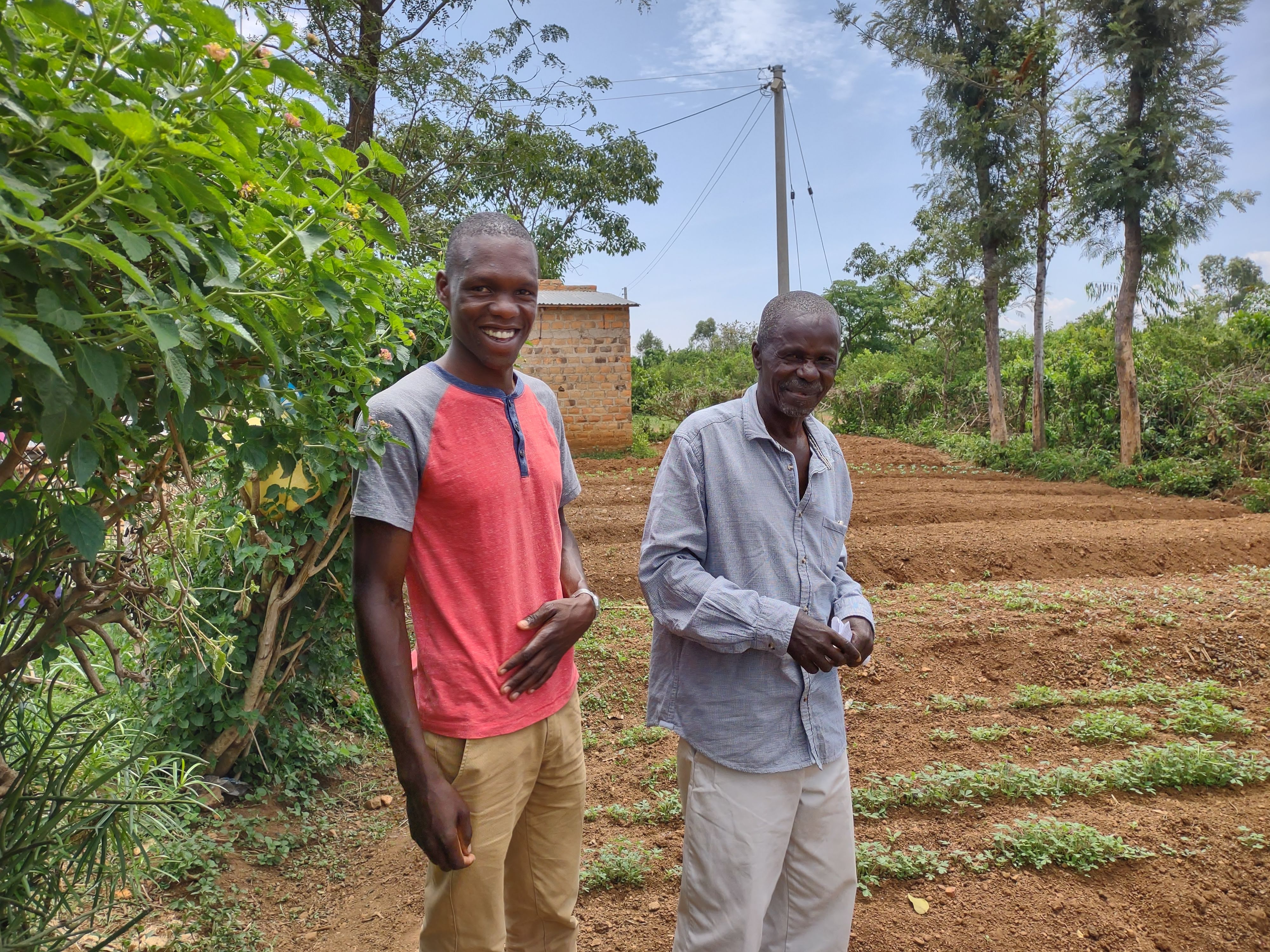


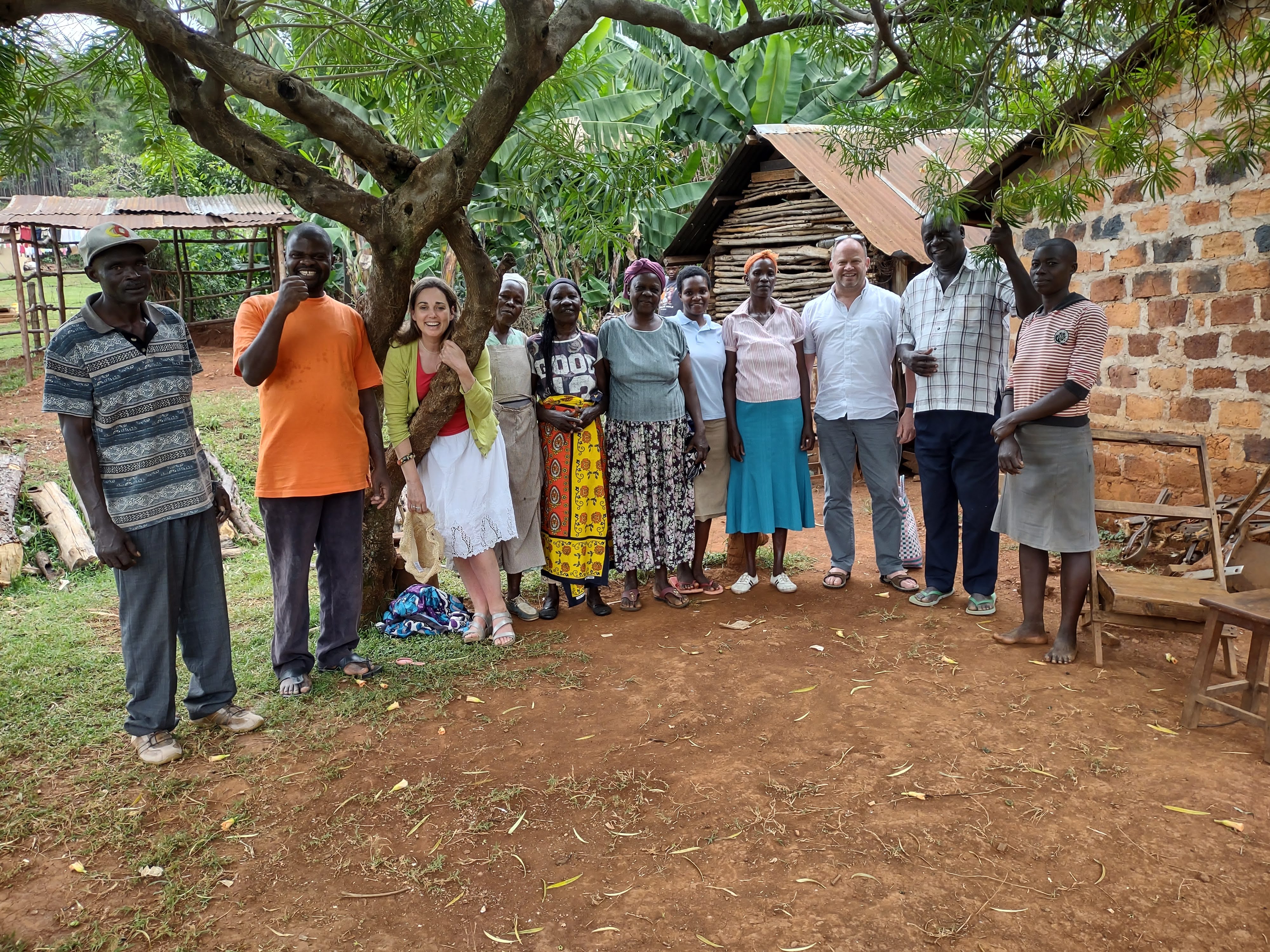
Kennedy and his family accommodated us during our time in Oyugis and were so hospitable treating us to some real Kenyan food including that most Kenyan of all staples: Ugali. This really is an alternative to rice and goes well with fish, meat, and vegetables.
The Kenyans are such a musical and joyous people and we often met with singing when we visited different villages, which was a lovely experience in itself. I love that JAM is making a real, palpable difference in the lives of local Kenyans.
-
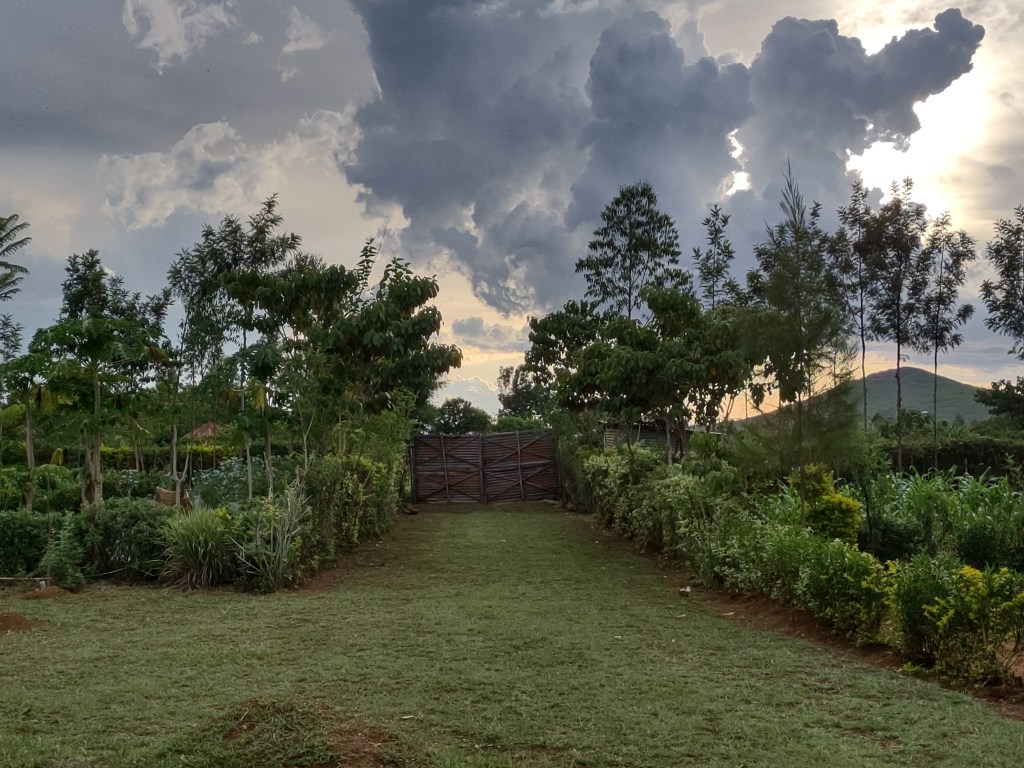
I have wanted to come to Africa for many years, but my travels have taken me frequently to South Asia. So, when I had clear opportunity to visit Kenya in East Africa, proverbial wild horses could not have stopped me.
Having been a frequent visitor to the Indian subcontinent, there was something familiar with the climate, vegetation, roadside stalls and shops and just the feel of the country. However, culturally, Africa is very different from India. Of course these differences only served to heighten my enjoyment of my new environment, if only for the sake of variety.

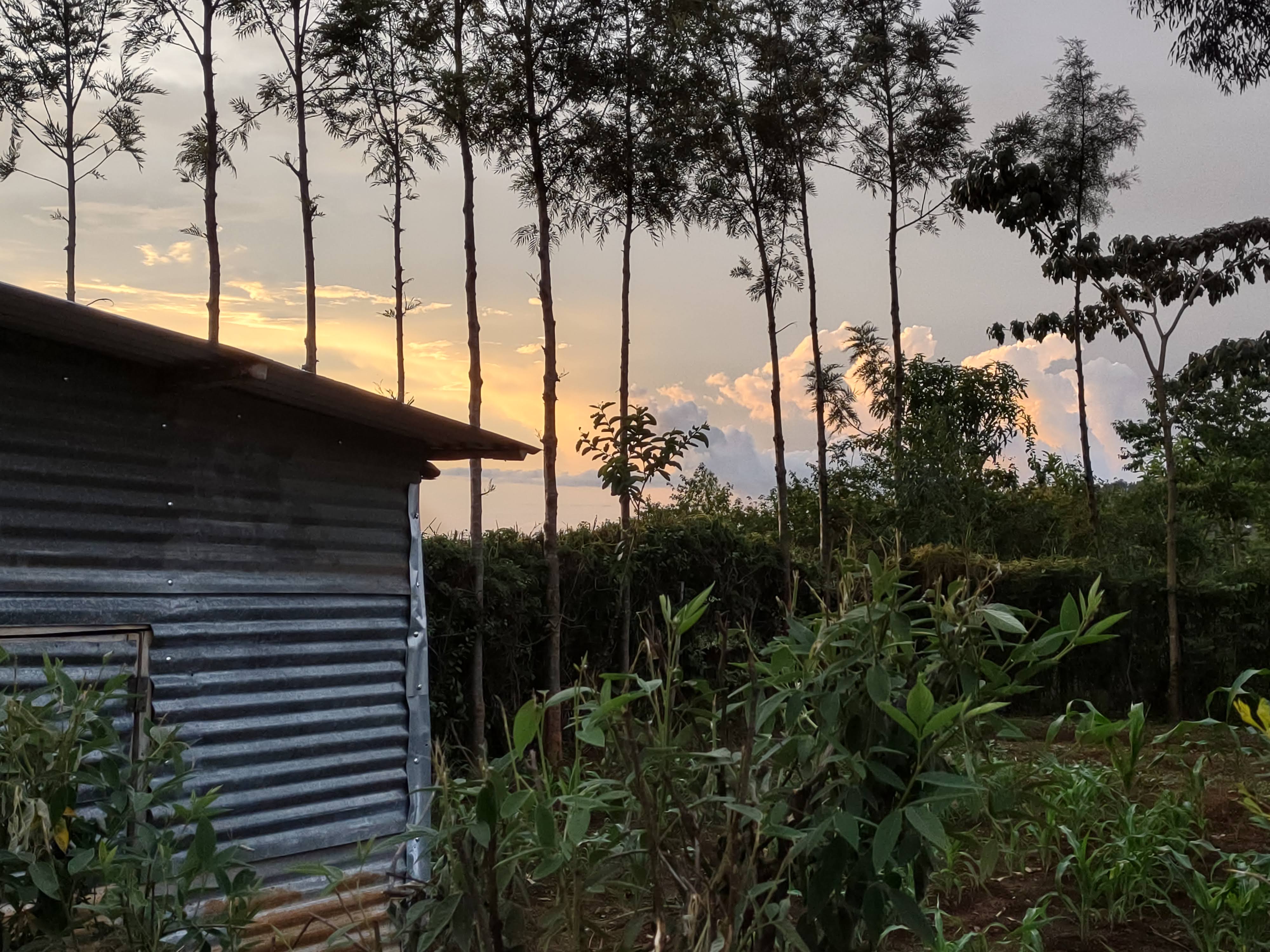
Wildebeest Eco Camp, Nairobi Kenya is without doubt a beautiful country, and one week in, I was really loving it. Staying with a family initially in Oyugis, we had met plenty of locals which is a fantastic way to begin to understand a nation and its culture. And culture of course is everything – the way a nation feels, thinks, reacts, behaves and basically does life is all part and parcel of what we call culture.
For me, travel has always been about the people you meet and not just the places you visit. Having said that, Kenya is massively replete with adventures and amazing places to see. Whether you love the coast, want to visit mountains, go on safari, explore a tea plantation, Kenya will keep producing the goods, again and again.
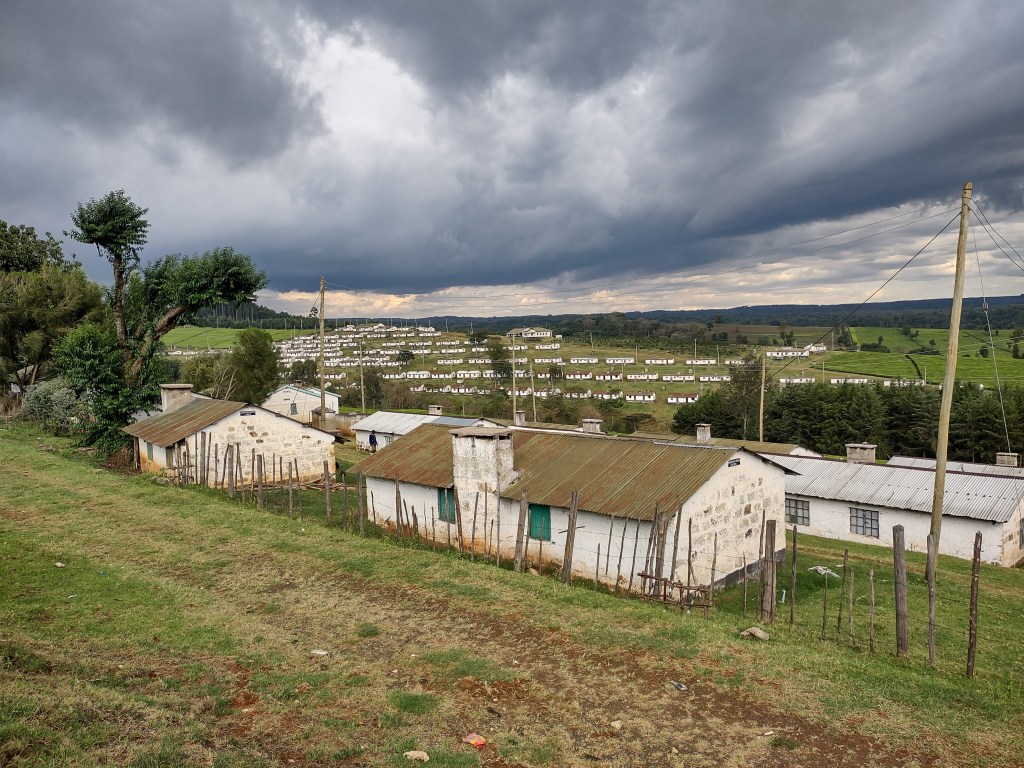
Tea slopes around Kericho And without doubt, I will be returning to Kenya. I mean, why wouldn’t you? Admittedly, there were some security concerns with the current elections going on, and a potential terrorism threat mainly in the North East from Al Shabaab (a result of the Kenyan military intervention in Somalia), but the draw of East Africa is simply magnetic. So yes, I will definitely be coming back, and what is more, I would encourage you to do the same. Just be careful and vigilant, but more than anything, enjoy it…
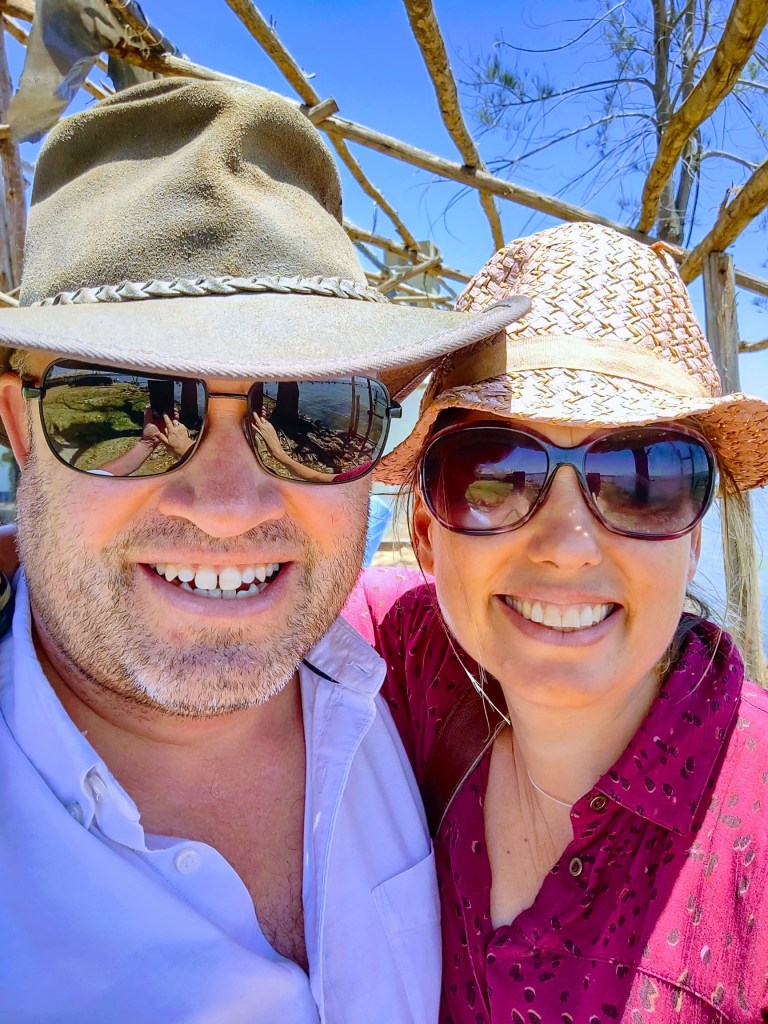
Me and Rachel in Western Kenya -
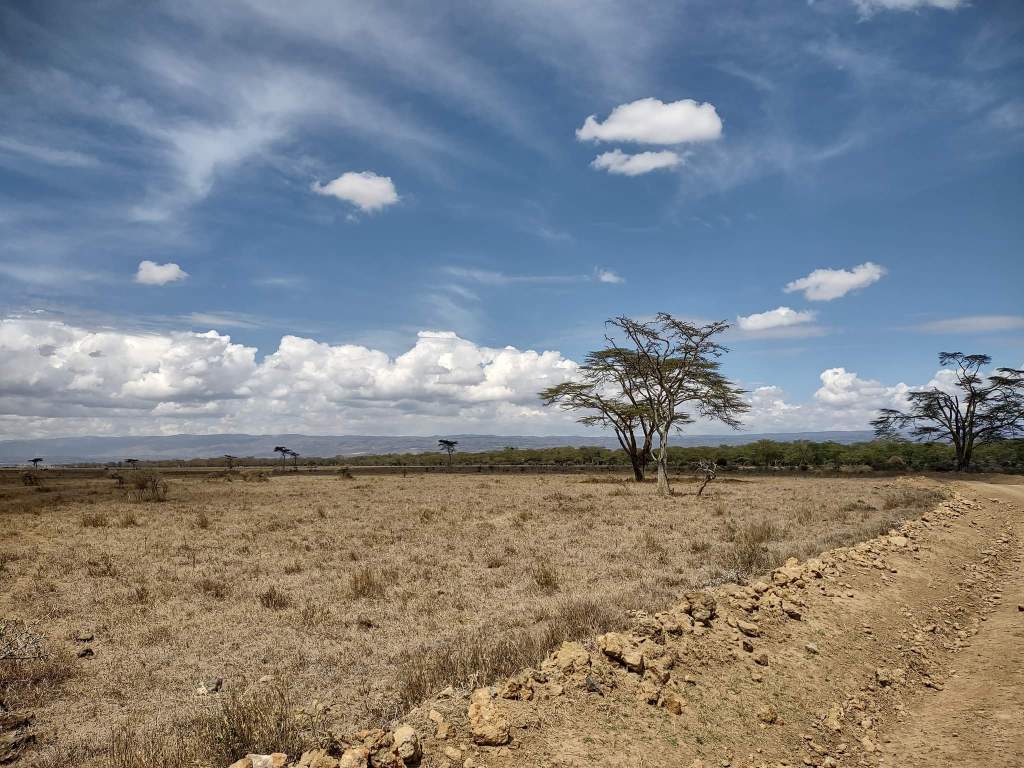
Sarova Lion Hill Game Lodge is situated on the eastern shores of fabulous Lake Nakuru. And as such, it is perfectly positioned to provide you with the experience of a lifetime, which is exactly what we enjoyed.

Terrace Bar at Sarova Location, location, location – Sarova has it all. Every morning, we were treated to panoramic views of the Lake, watching pelicans lazily flapping their way across the water and hearing the distinctive calls of the African Fish Eagles amongst the trees below.

Lake Nakuru We had our own local guy for the Game Drives, and on the 2 separate safaris, we were treated to sightings of Rhino, Hippopotamus, Zebras, Impalas, Lions, Giraffes, an Ostrich, Eland, Waterbuck, Thompson’s Gazelle, Warthog and many others. The birdlife, including the sheer mass of Lesser (and some Greater) Flamingos congregating at the Southern end of the lake, is also rich and varied, so bring a pair of binoculars with you.
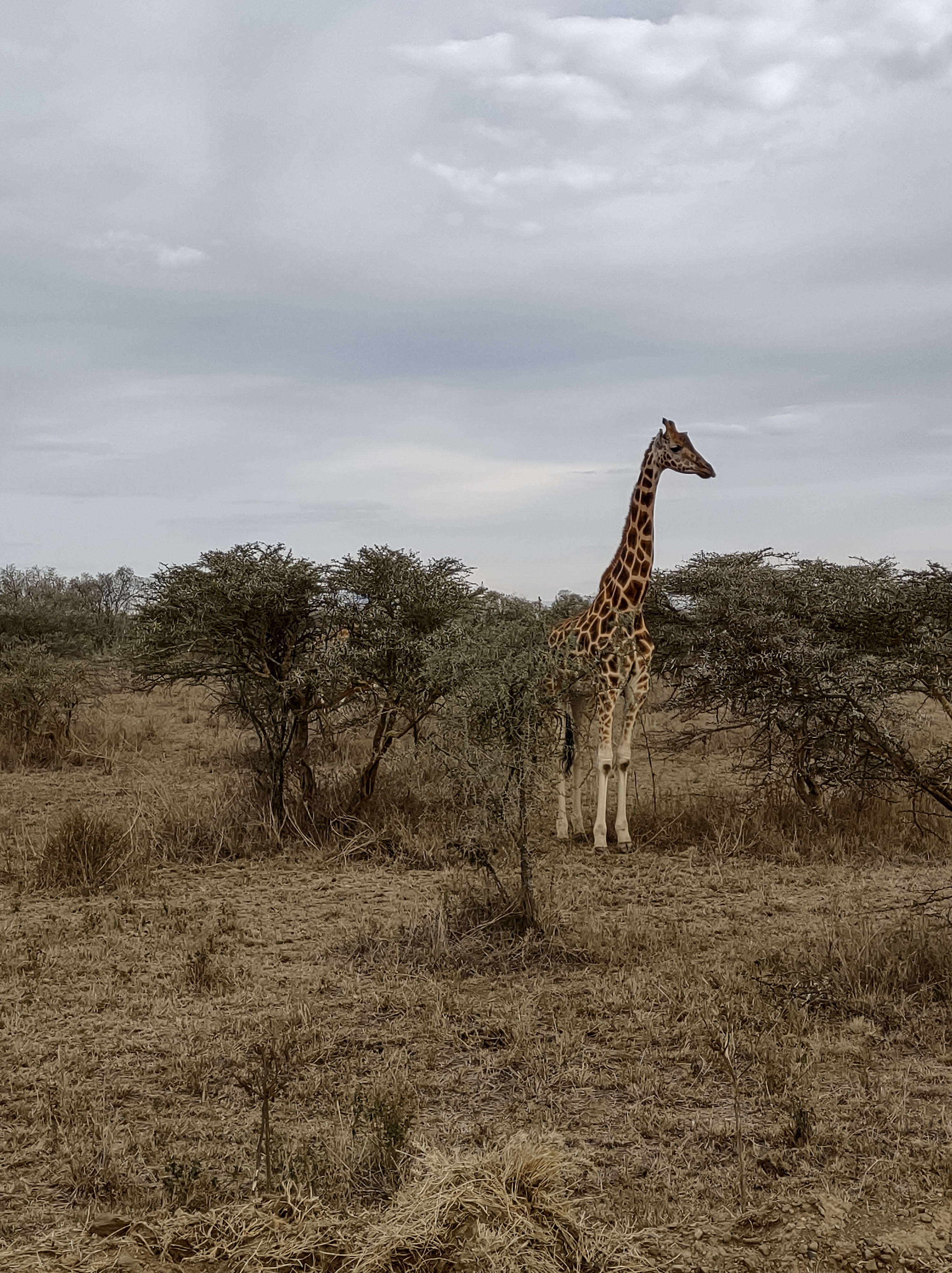
Giraffe in view 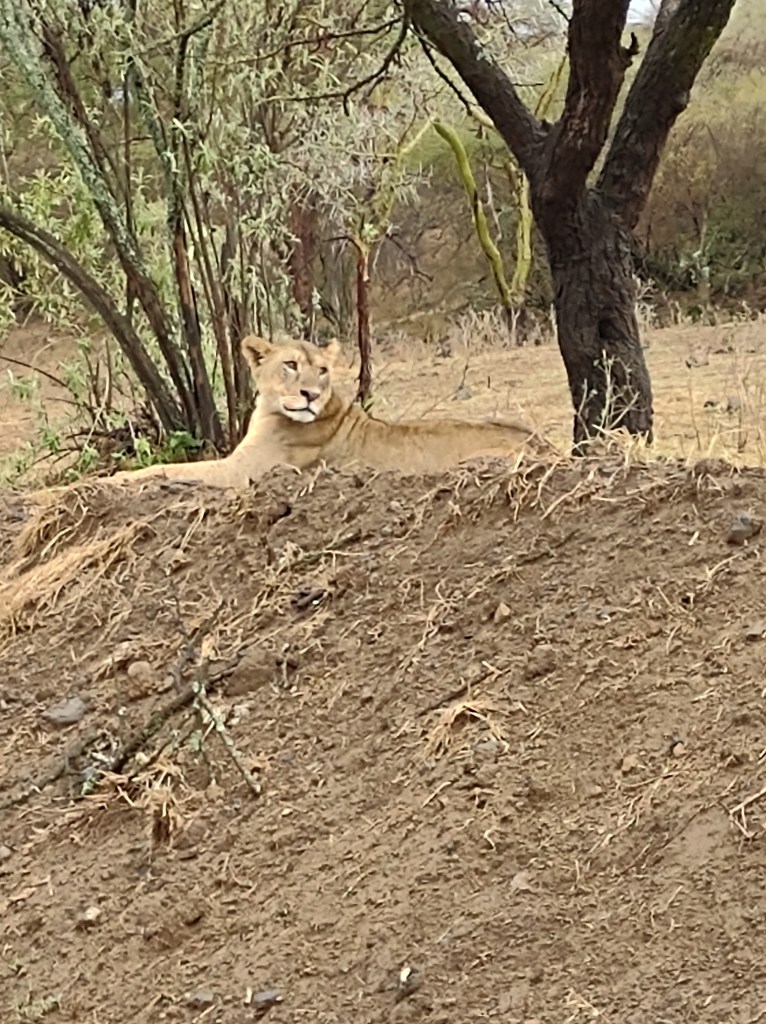
Lioness at Nakuru 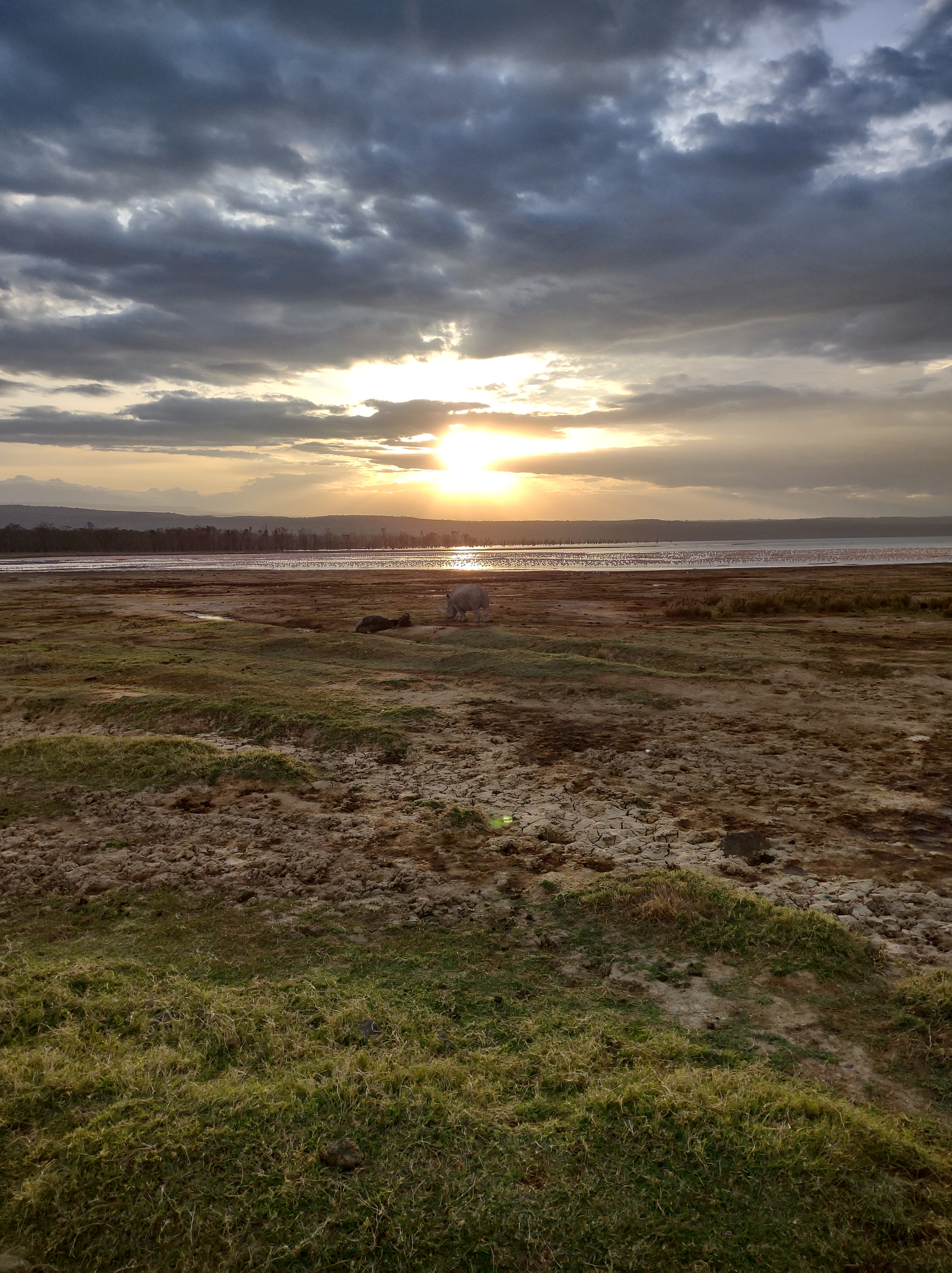
Looking towards Lake Nakuru 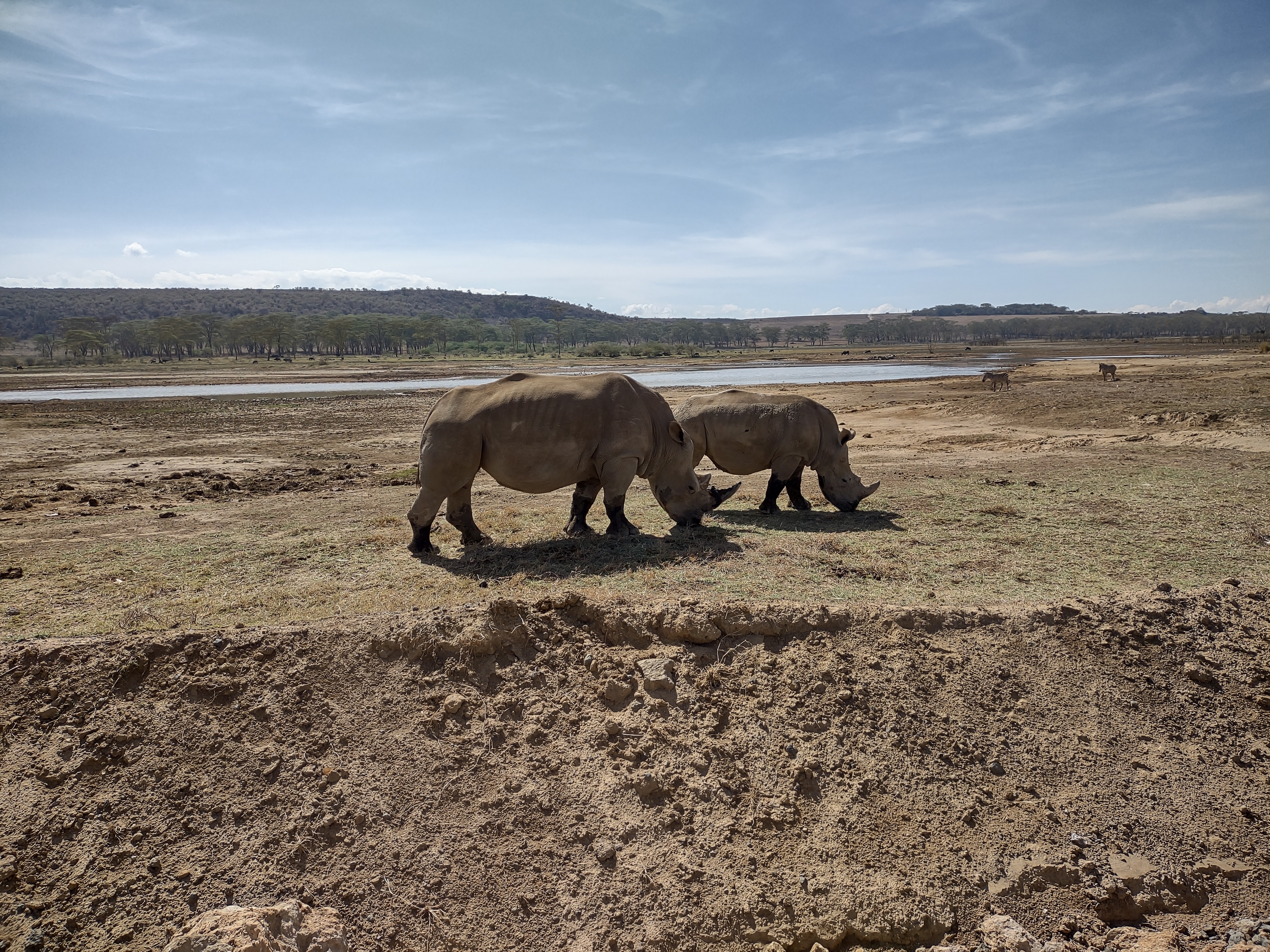
A pair of Rhinos grazing In addition to an amazing location, Sarova also has a highly efficient, friendly and helpful complement of staff who are very proactive, and seem to anticipate your every need and want. Always in attendance, but without being overbearing, I feel they have stuck a perfect balance which is most refreshing.
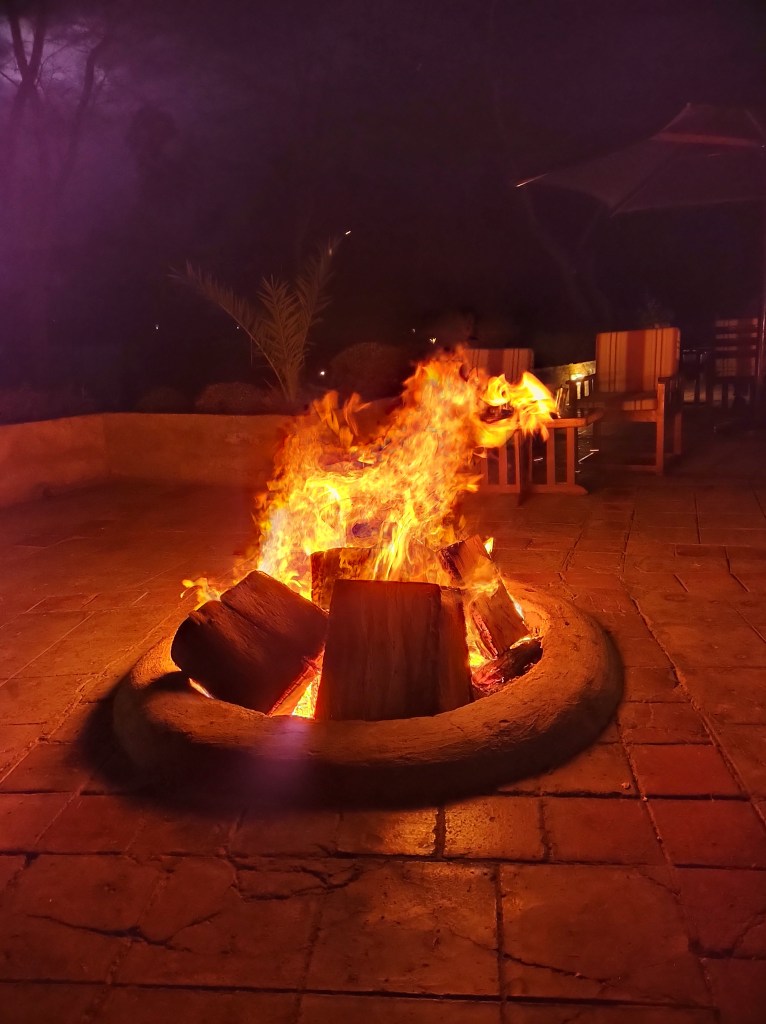
Fire on the Terrace Bar patio 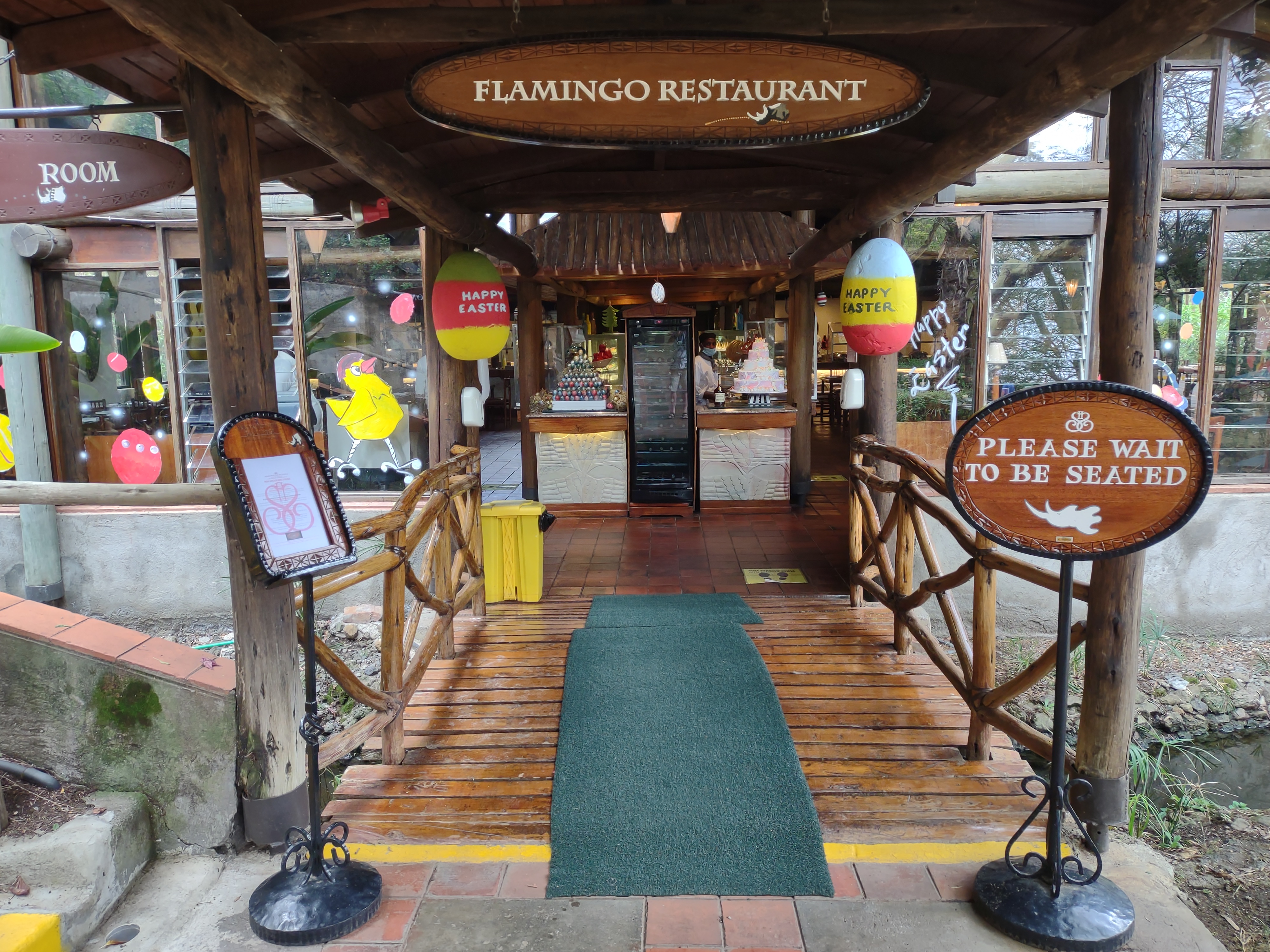
Flamingo Restaurant 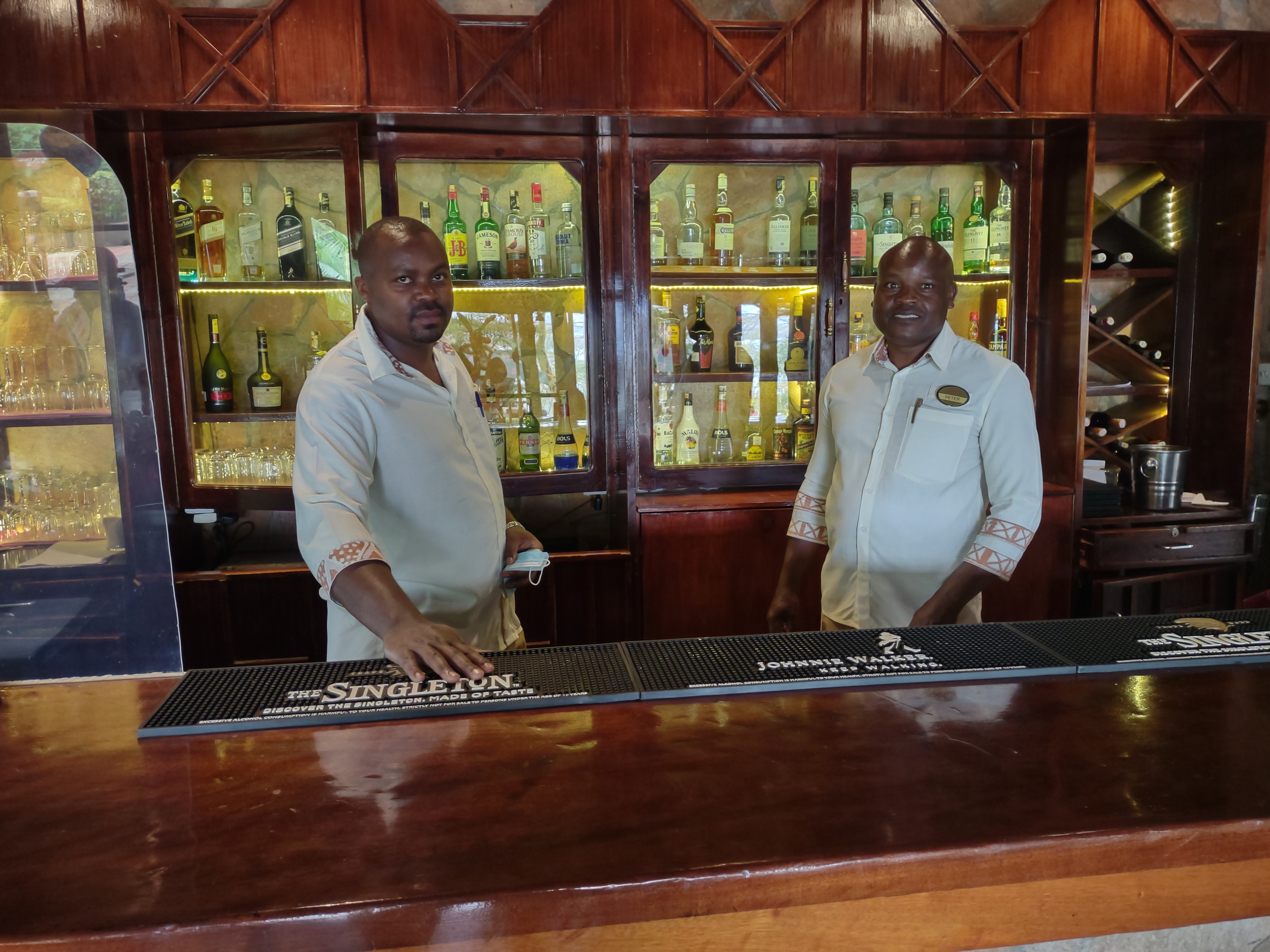
Two of the bar staff Staying for 5 nights, we soon got to know many of the lovely people that work there. Angela, Alex and Fred in particular, really looked after us, and made us feel very welcome indeed. It seemed like nothing we requested was too much trouble and they most definitely enhanced our stay. Poolside, we met Morgan and Marie who were great fun and again, added value to our experience at Sarova.
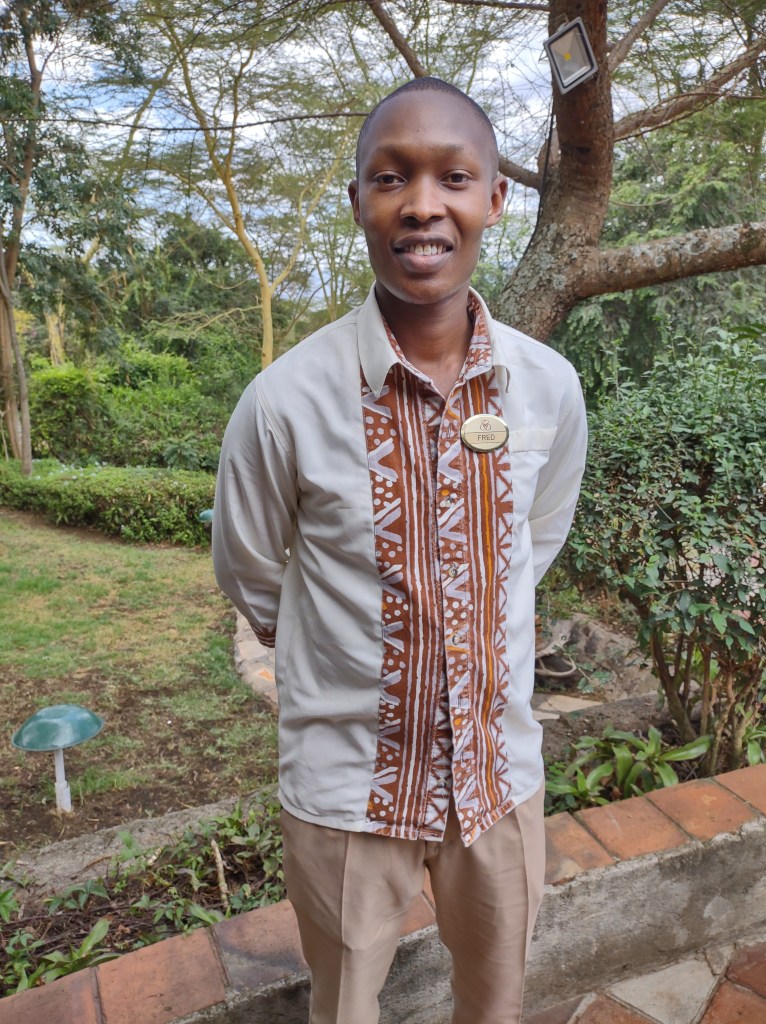
Fred 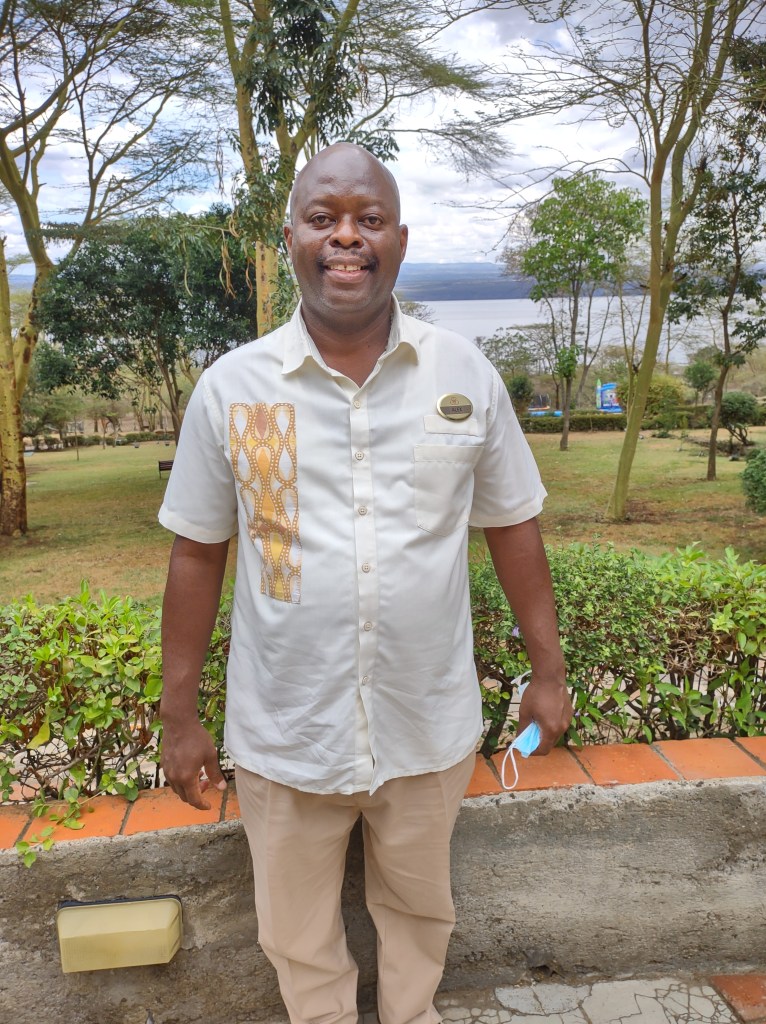
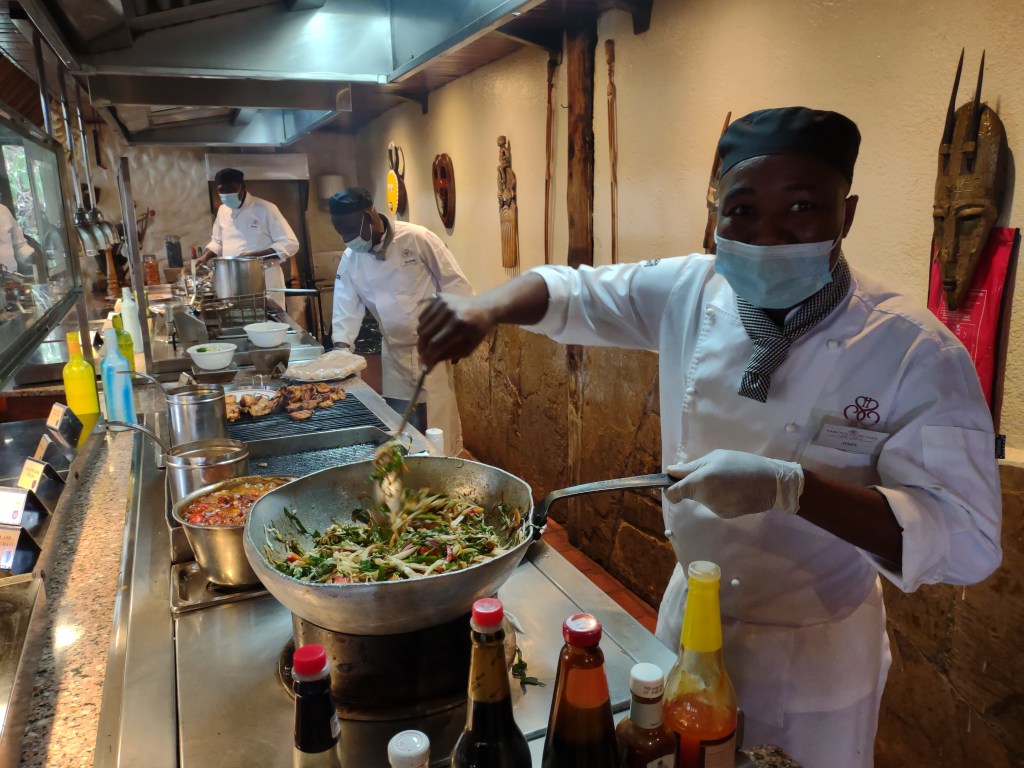
Alex Another important part of the Lion Hill experience is the outstanding food on offer. The variety of roasted and pan fried meat and fish available every night was simply mouthwatering. Alongside this, there were local dishes of stewed goat with a good selection of vegetables plus a range of Indian dishes with chapattis. East Africa has a significant Indian influence, hence the infiltration of the menu with Asian flavours.
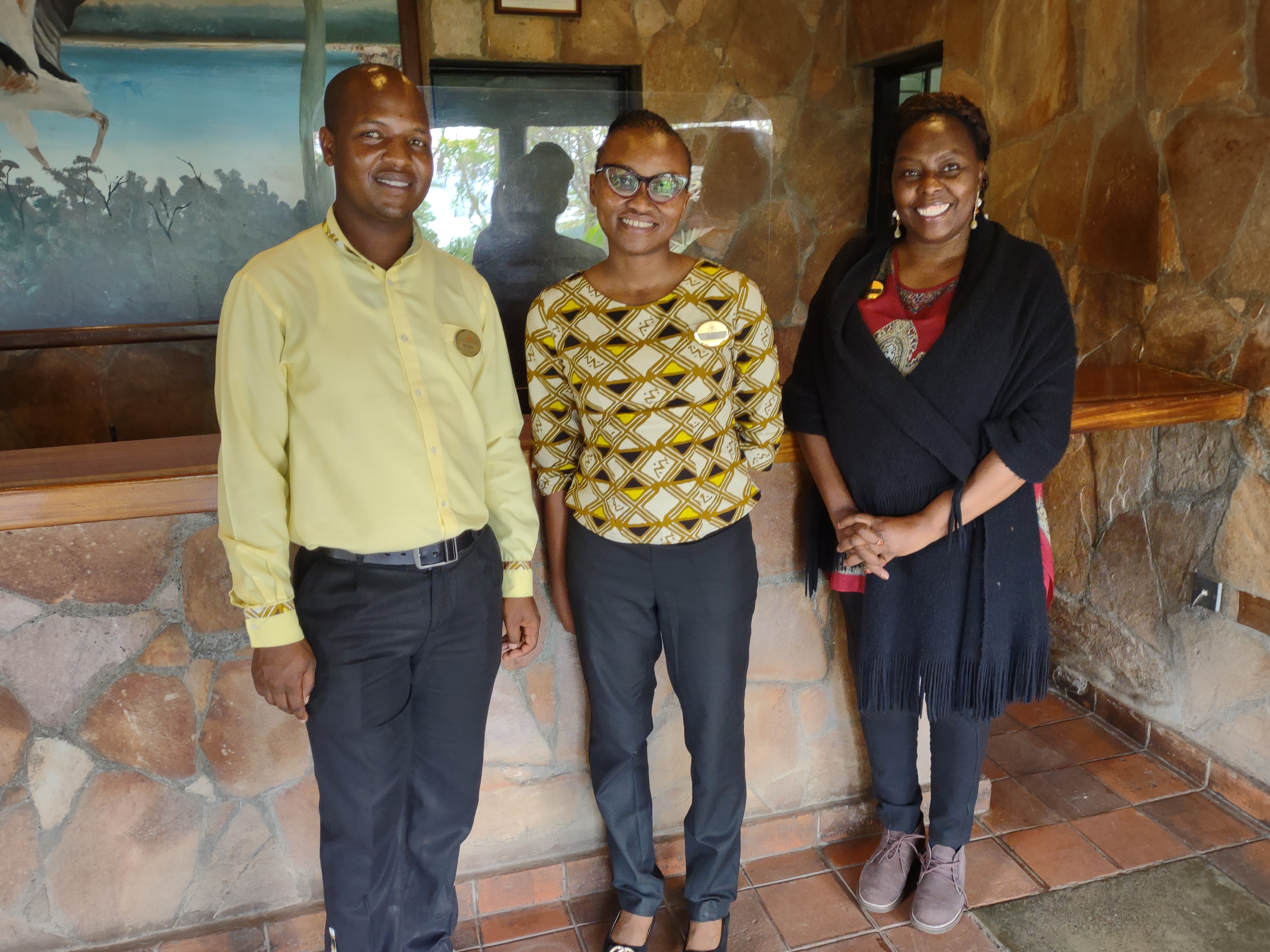
Jayne (on the right), with some of her reception staff 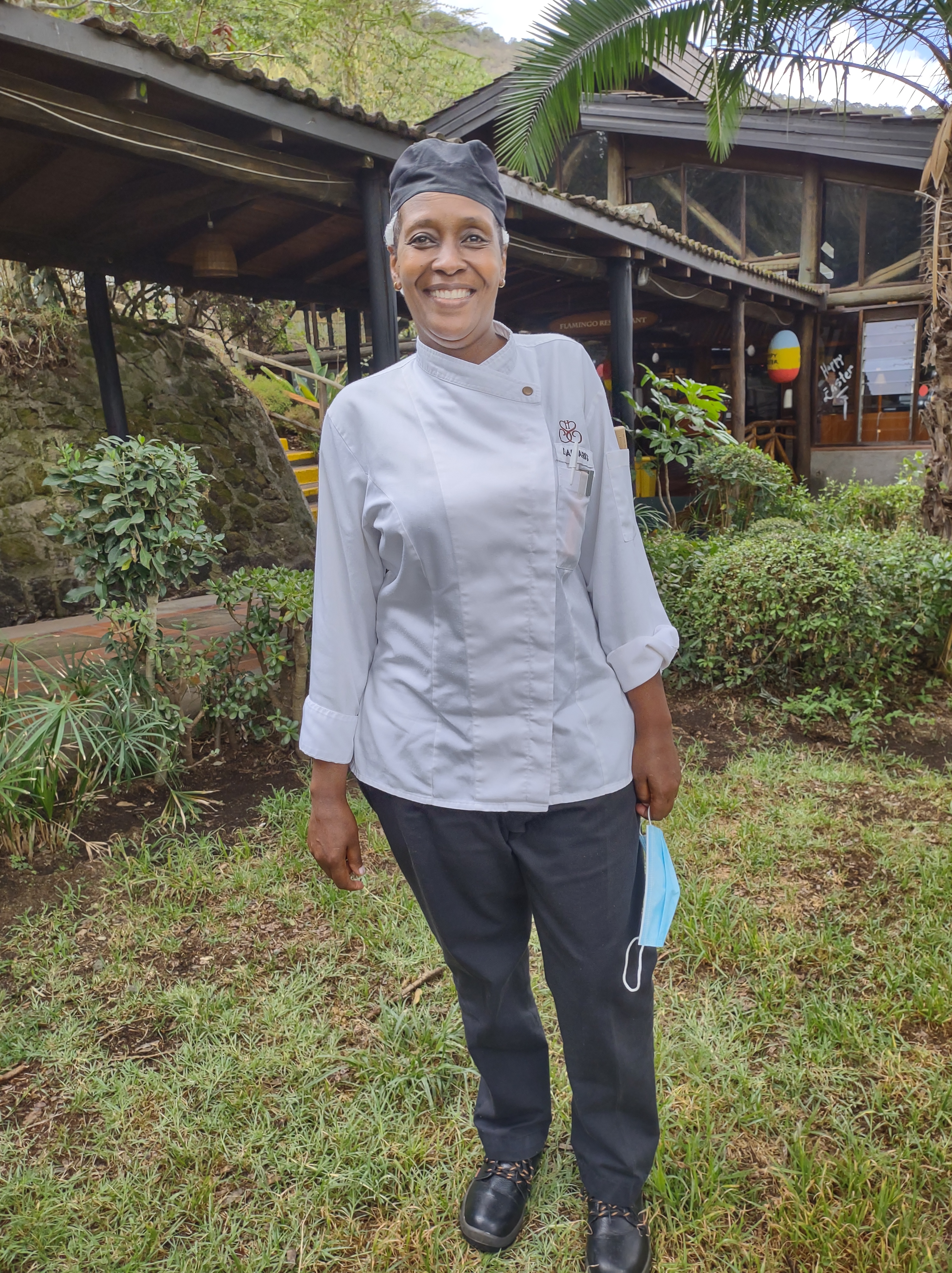
Damaris, Head Chef During our stay, we met Jayne the General Manager, and Damaris who is Head Chef. Both outstanding ladies doing a fantastic job in the aftermath of COVID, and thankfully, visitors are now beginning to return to Kenya. East Africa really needs our tourist dollars, pounds and euros! Before we left, I was able to chat to Moses, the head of security, and I was impressed with the level of care Sarova take in this important area.
If you want an unforgettable experience right in the heart of one of Kenya’s National Parks, then I urge you to come and stay at Sarova Lion Hill Game Lodge. There is much more I could write, but I hope this has given you a taste of what’s out there for you to enjoy.
-
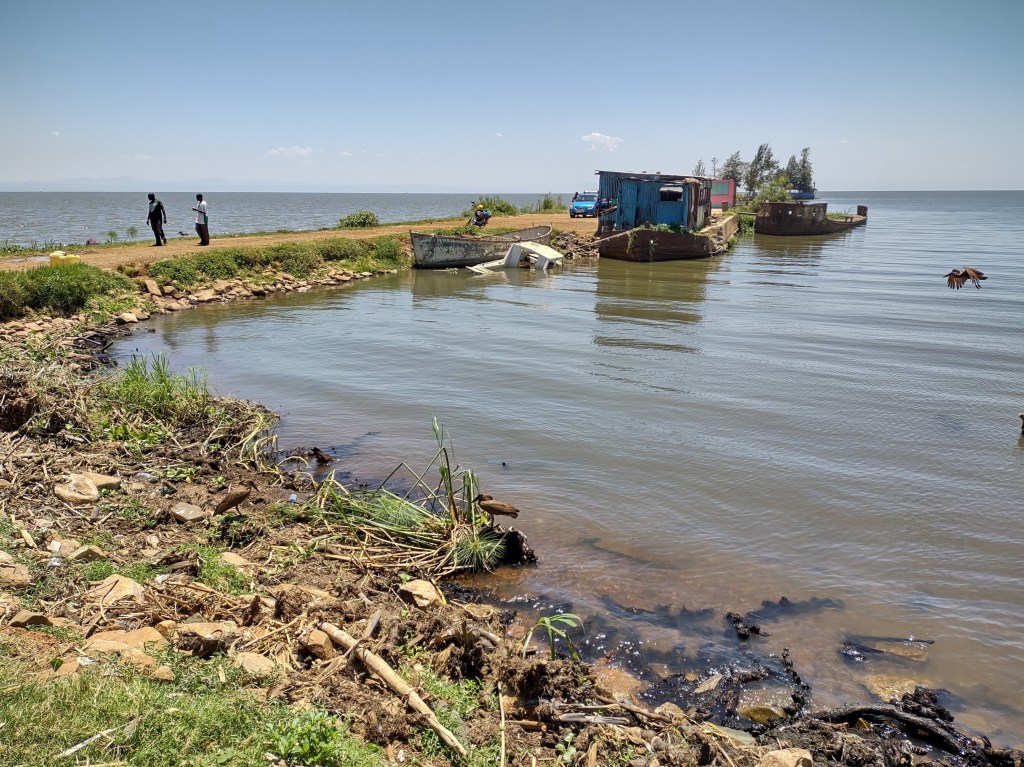
So our host decided to drive us around Homa Bay County and show us his home turf. We went straight to Kendu Bay where the bright sunlight was reminiscent of a previous holiday in the Bahamas. Simply outstanding. Fresh fish, diverse birdlife and a gorgeous Kenyan blue sky, which was guaranteed to sweep away the winter and possibly, COVID blues. We sat in a cafe by the lake shore and drank bitter lemon, mango juice and and beer.
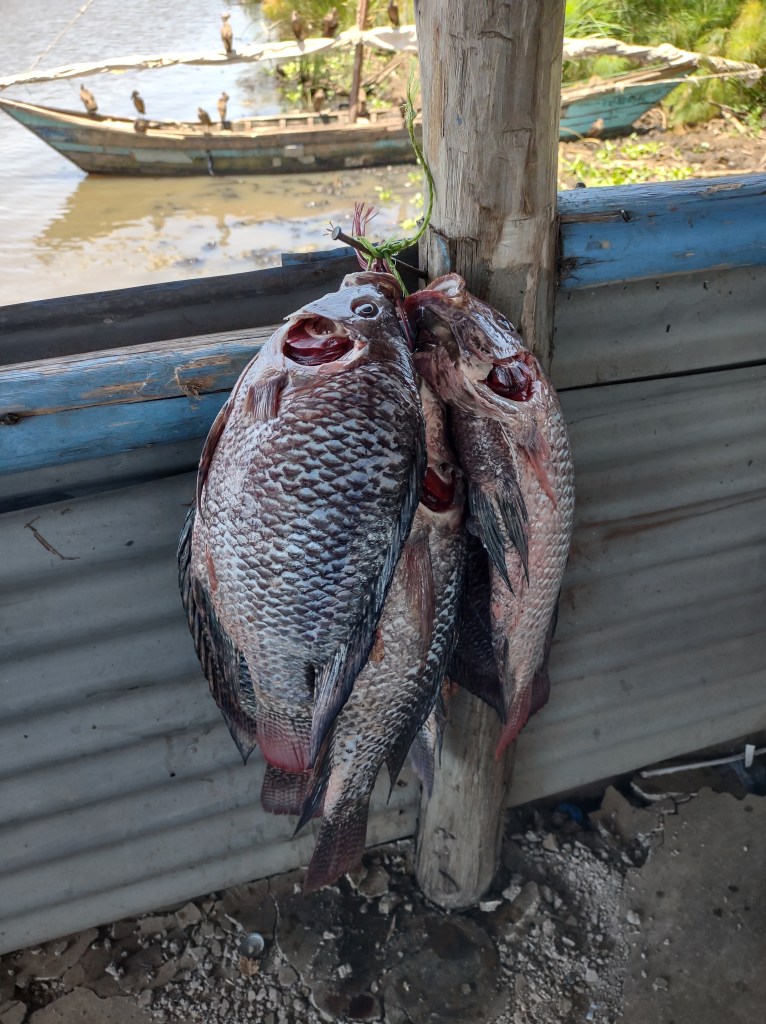
Fresh fish just caught at Kendu Bay Actually, the birdlife really is amazing. In a few short minutes, I had spotted Little Egret, Cattle Egret, Great White Egret, Pied Kingfisher, Hamerkop, Cormorants and others. If that lot doesn’t get your ornithological juices running, nothing will.
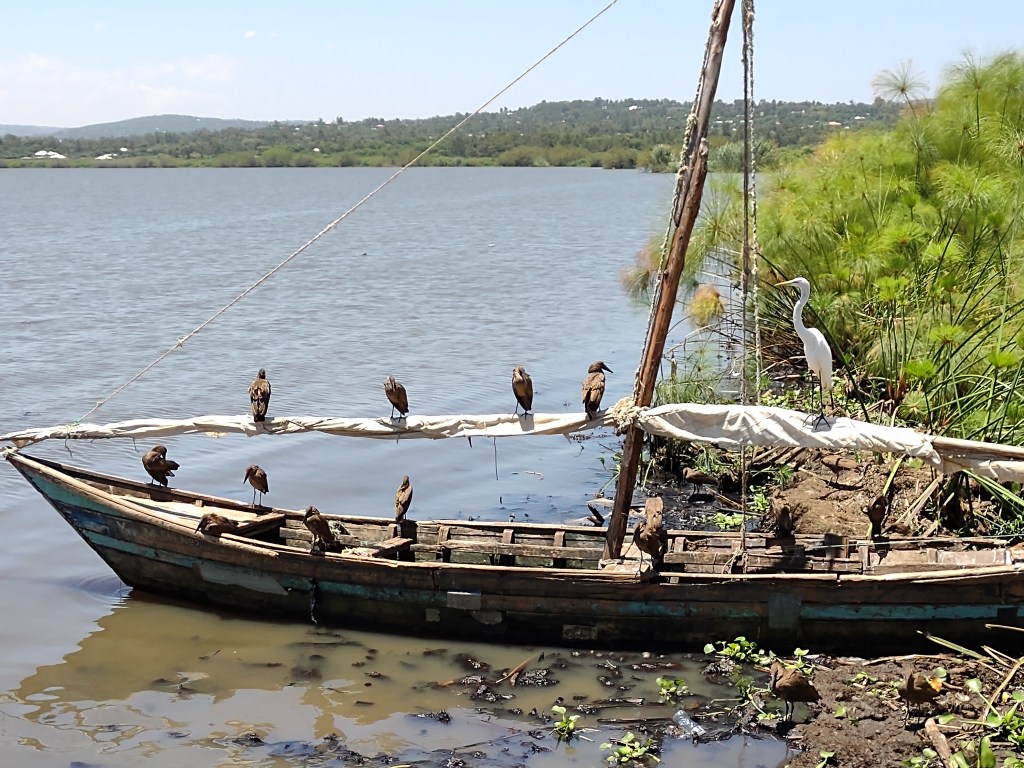
Some of the local birdlife nearby In terms of birding, the whole of the Kenya trip was pretty much like that; one awe inspiring sight after another. Leaving Kendu Bay, we travelled a short distance to Simbi Lake where I witnessed a great wash of pink gathered at one end of the shoreline, iridescent in the bright African sunshine. It was my very first flock of Lesser Flamingos, and what a beautiful sight it was too.
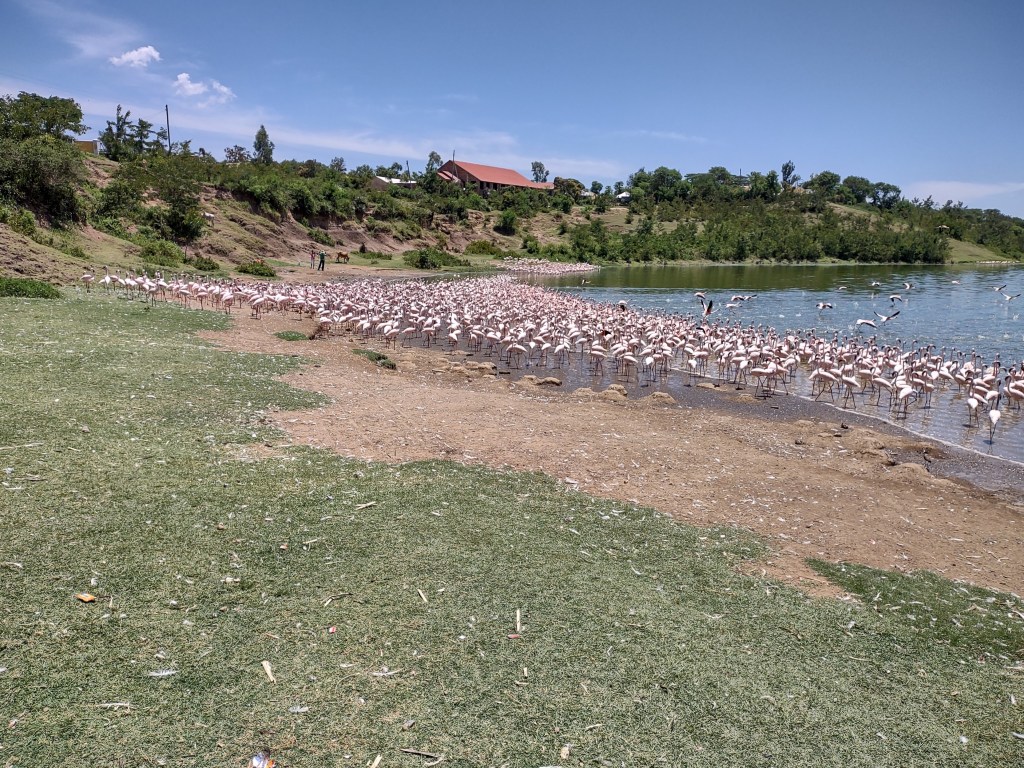
Lesser Flamingos at Simbi Lake Moving on, we eventually arrived at Homa Bay situated at the bottom end of the Winam Gulf, that feeds into Lake Victoria. This time, the birdwatching went up several more notches as the avian world blended seamlessly with the human one.
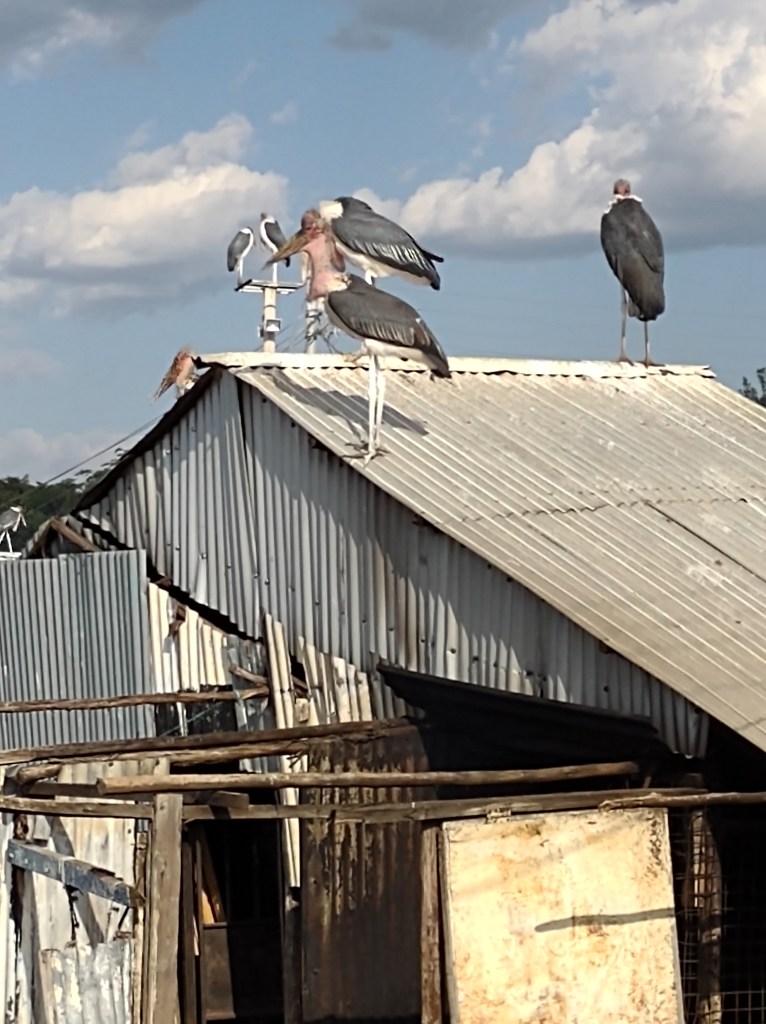
Marabou Storks at Homa Bay Two words: Marabou Storks. These large, and to be completely honest, somewhat ugly birds were everywhere. On the roofs of houses, on the shoreline, in the sky above us. In fact, they are so big, it felt like a scene out of Jurassic World when the beleaguered tourists were being dive-bombed by pterodactyls.
I don’t think Homa Bay is really a tourist town, from what I could see anyway. Down near the shoreline, it was just full of fishermen, birds (waiting for titbits from the fishermen no doubt), locals selling fish cooked and uncooked, and families enjoying the breezy sunshine down near the water. The whole place had a busy, but relaxed and laid back feel.
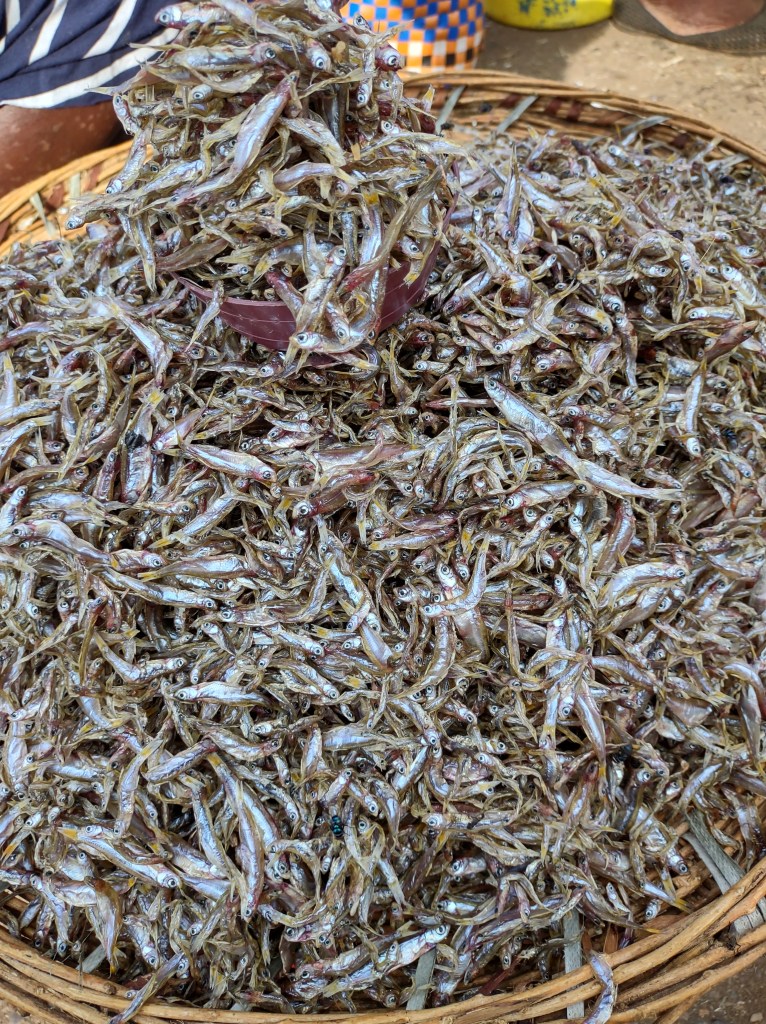
A basket of tiny fish! It may well be off the beaten track and not an obvious tourist destination, but I really recommend a visit to this remote part of Western Kenya – you won’t be disappointed!
-
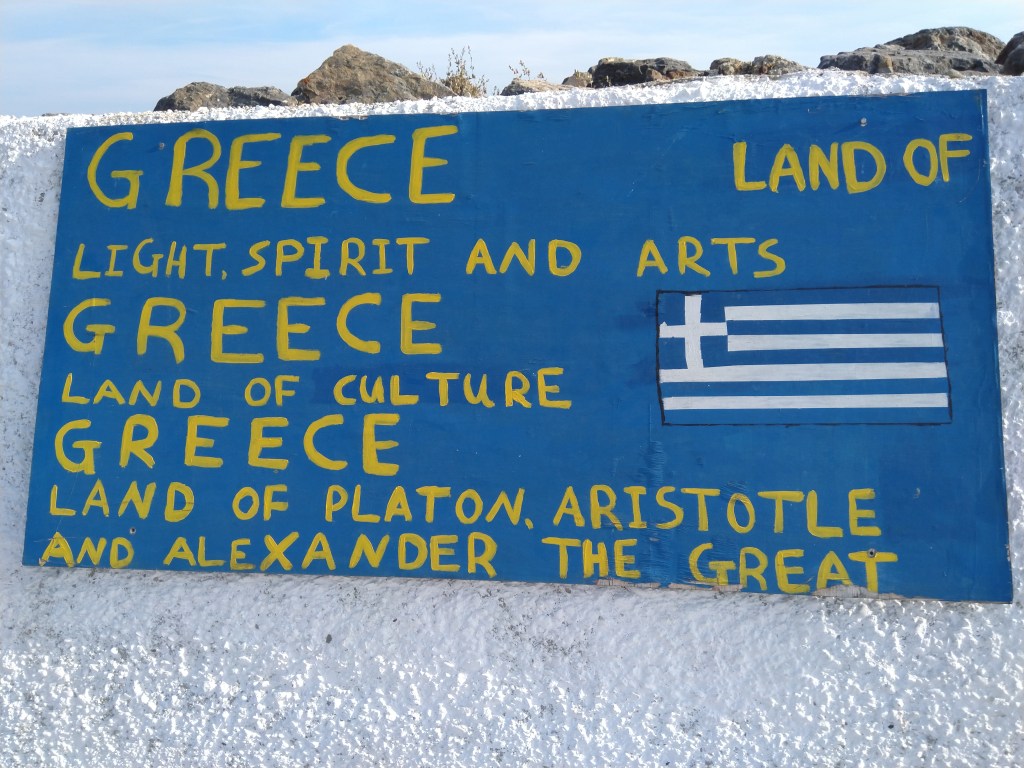
“You have to decide the kind of life that you want to live, or the person that you want to be.” Those were the words, or something similar to them that my taxi driver said to me, as I sat in the back, en route to Athens International Airport. The story he told me during the short 30 minute night-time journey left me with a feeling of incredulity.
He lived and worked in Athens as a taxi driver but also owned a holiday home on a Greek island, which provided a valuable source of income. He told a tale of oil rich Arabs from the Middle East that had arrived on the island with literally holdalls full of euros, and my driver had provided transport for these visitors to the island. They would offer him 10,000 Euros to go and get drugs, girls or whatever they wanted. Money was no object whatsoever.
My taxi driver was clearly an ethical and righteous man and refused their generous, but outrageous offer. As we parted company at departures, I pondered his account of the corrupting influence of money and the Aristotle-like wisdom he had offered me – all included in the price of taxi fare! Later, before I caught my flight back to Thessaloniki, I encountered Miss Mykonos 2018 with a small child in tow, which was a salutary reminder that however glamourous your day job may be, we have all got mouths to feed and bills to pay.
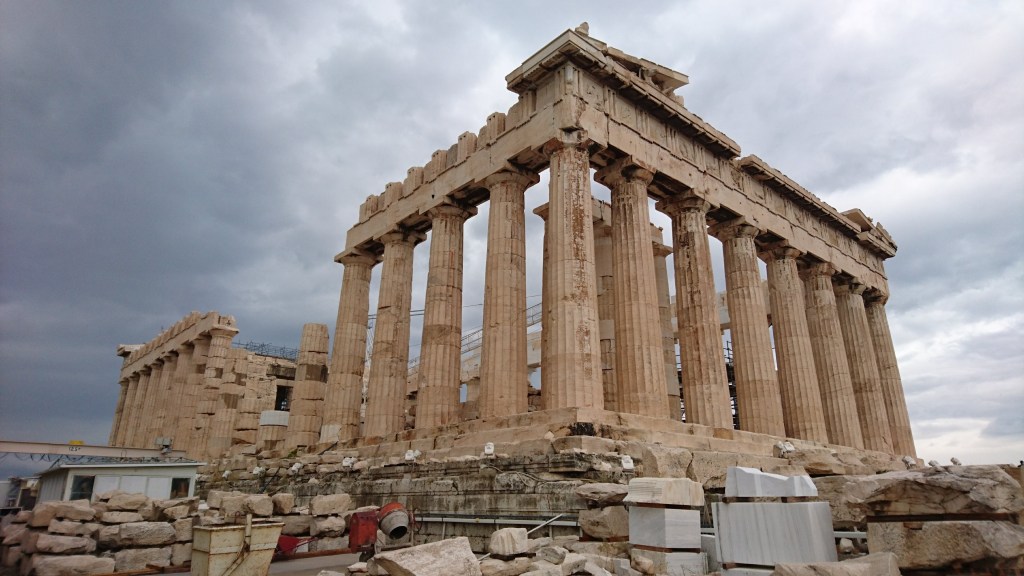
The Parthenon 
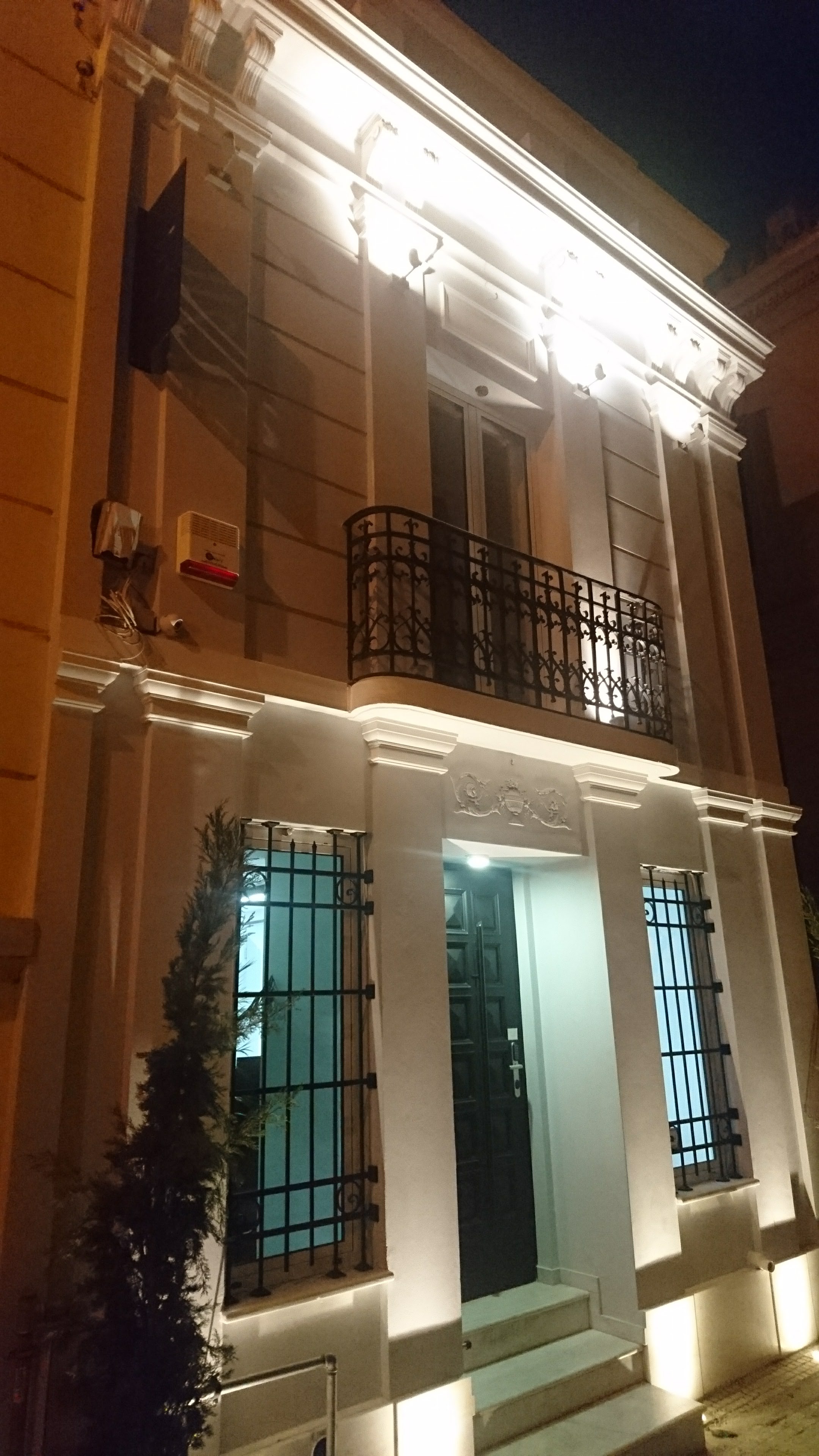
Hotel Sir Athens In the preceding days, I had spent three enjoyable nights at the superbly appointed Hotel Sir Athens in Greece’s ancient, political and philosophical capital, having joined my friends, Emmanouil and Antigoni in the city whilst they attended a conference. Eleni, the boutique hotel’s part-owner really looked after me and made me feel very welcome. Sir Athens was modern, comfortable, well equipped and conveniently situated.
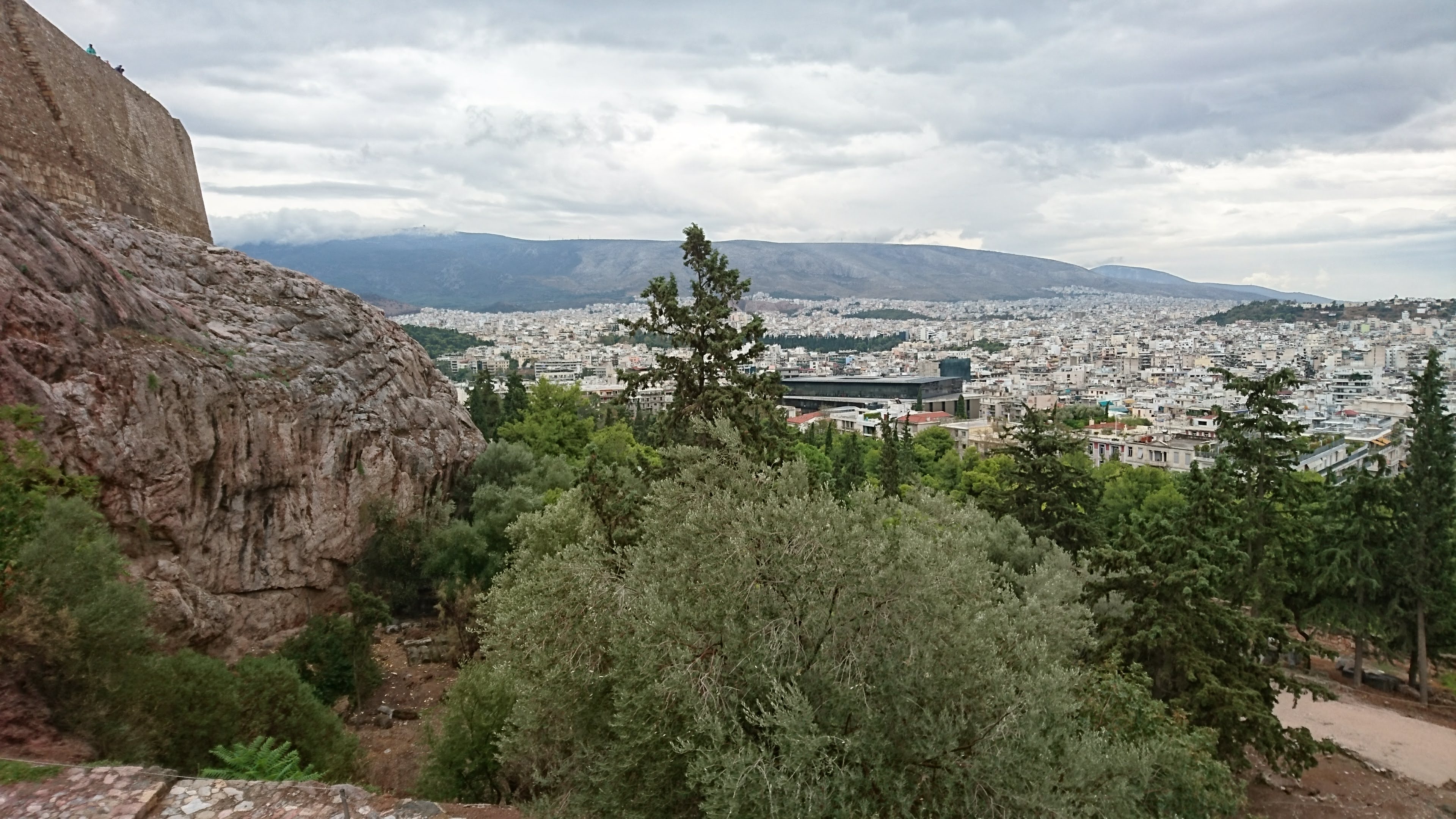
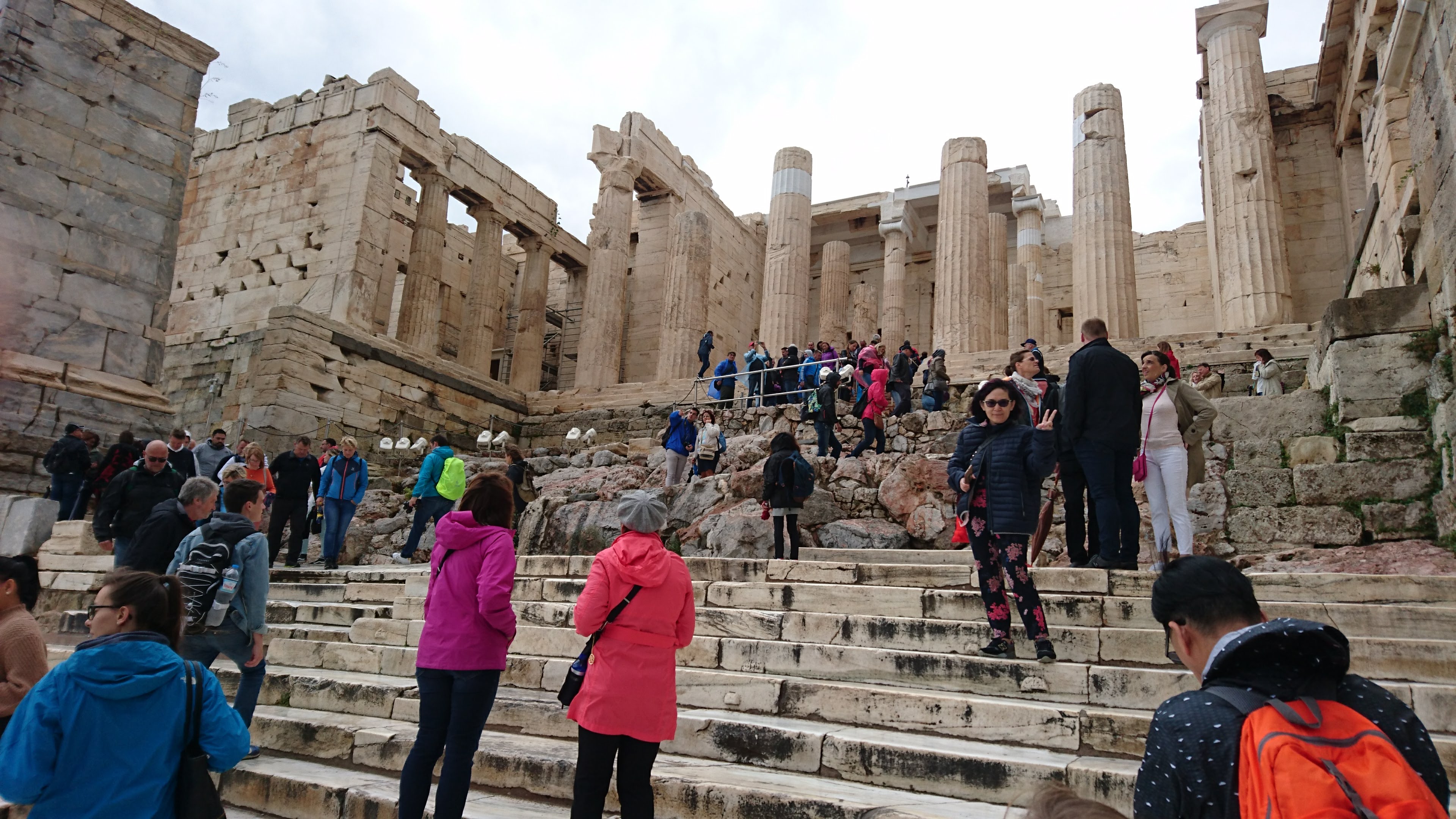
I really loved Athens, or at least parts of it. I wasn’t so enamoured with the endless, uniform rows of air conditioned accommodation blocks sprawled out across the city marching towards the horizon, but if ancient culture and civilisations are your thing, Athens has it by the bucket load. And understandably, it has tourists by the bucket load too, and whilst not on the same scale as Venice in terms of visitor numbers, be prepared to rub shoulders with crowds of adoring travellers from all over the globe.
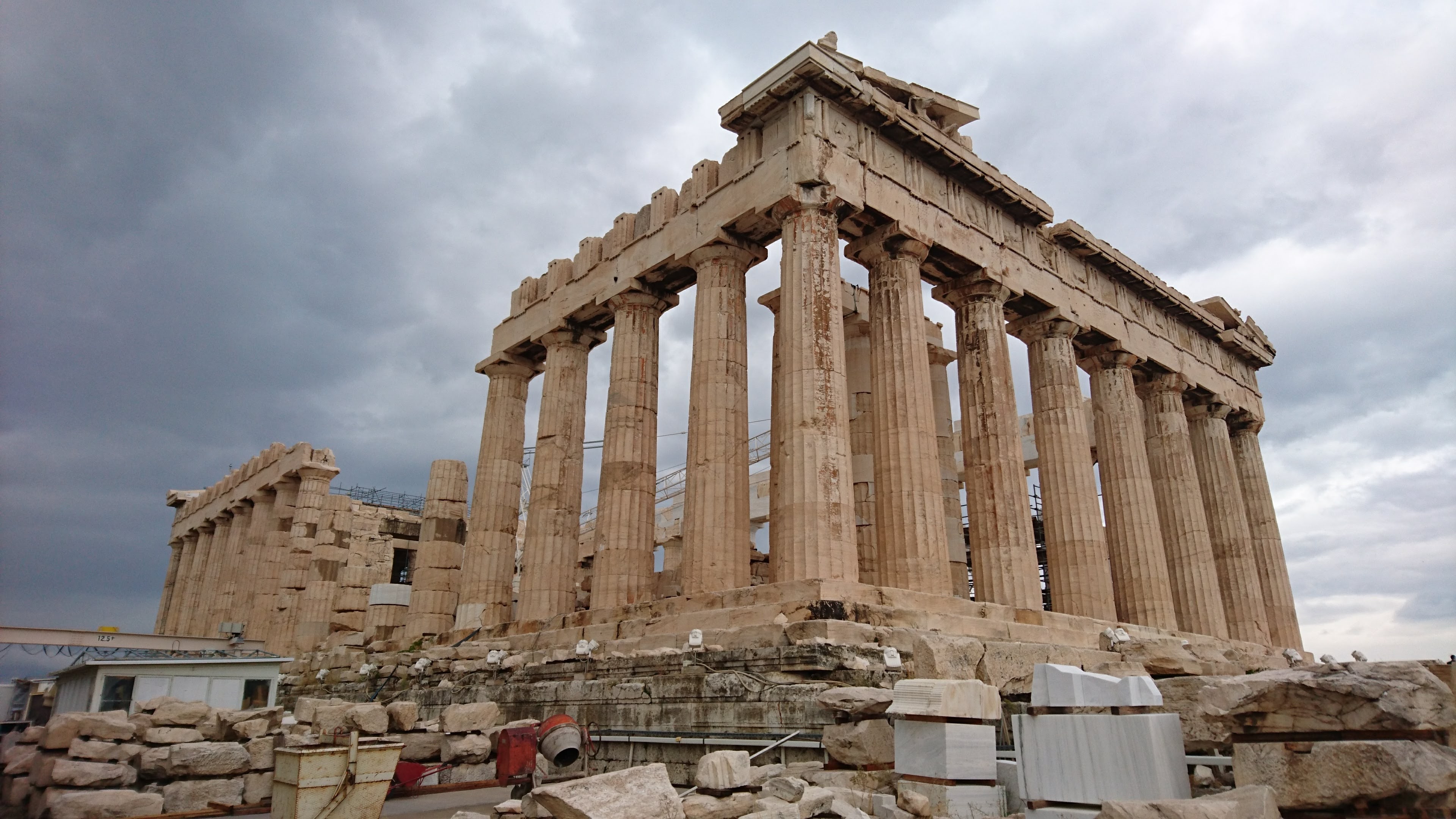
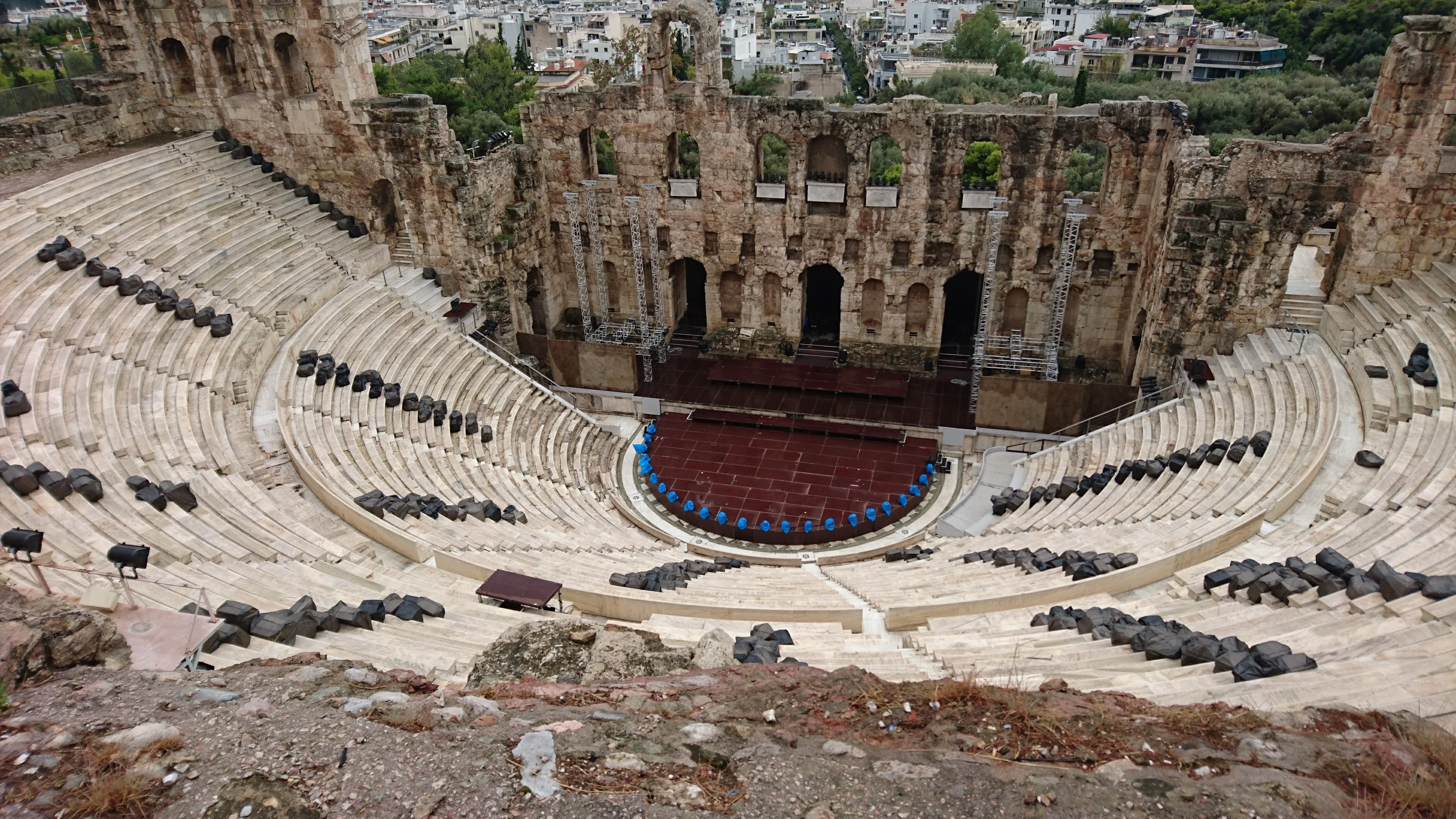
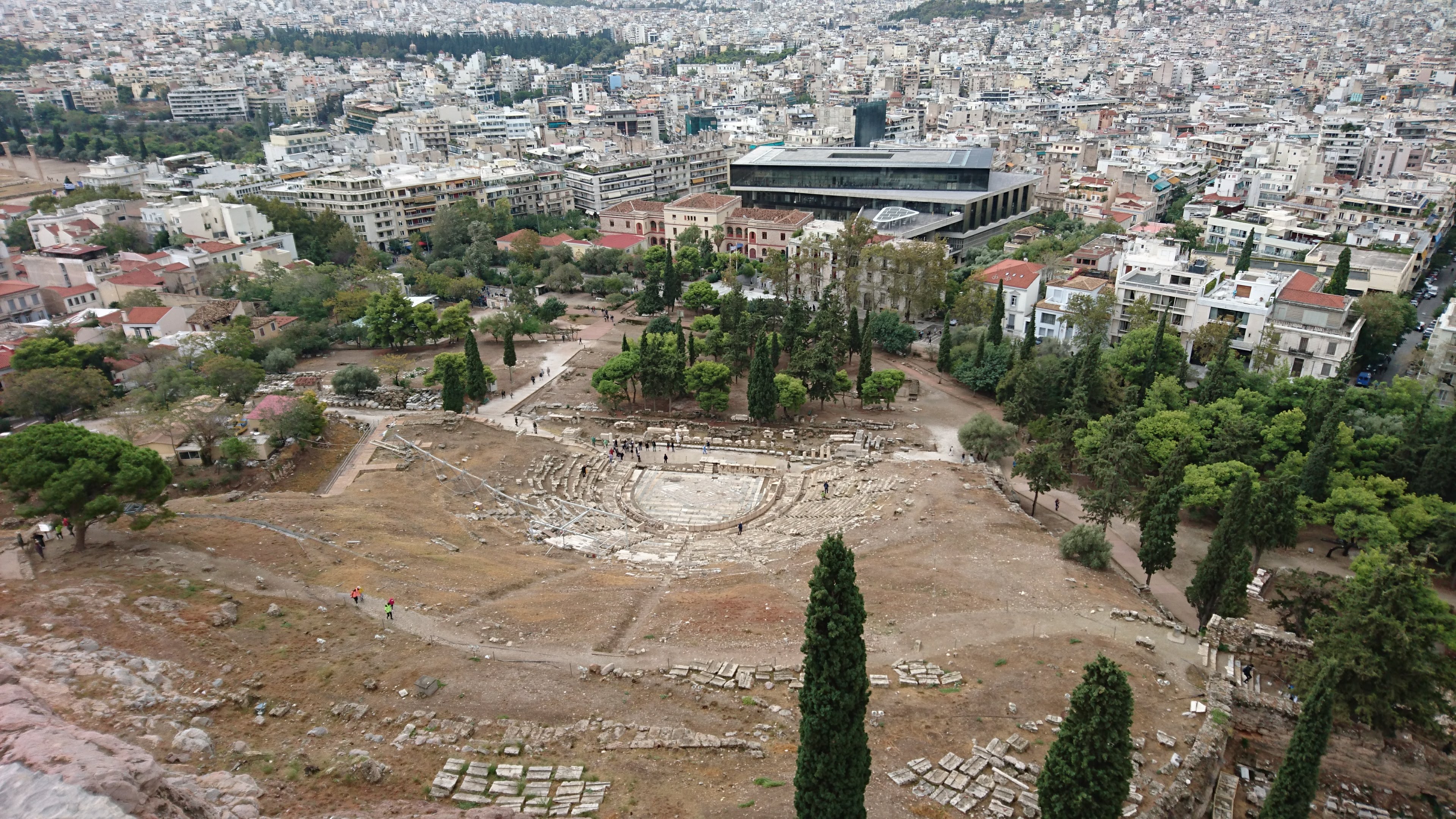
The Acropolis pretty much stands at the top of the list, including the Theatre of Dionysus, Odeon of Herodes Atticus, the Temple of Athena Nike and of course, it’s crowning glory: The Parthenon. Don’t forget the Acropolis museum just across the way though – it is superb. Three main floors of ancient antiquity to keep you endlessly fascinated, and it is not to be missed. The Areopagus is nearby and the fascinating Temple of Zeus is located in a different part of the city.
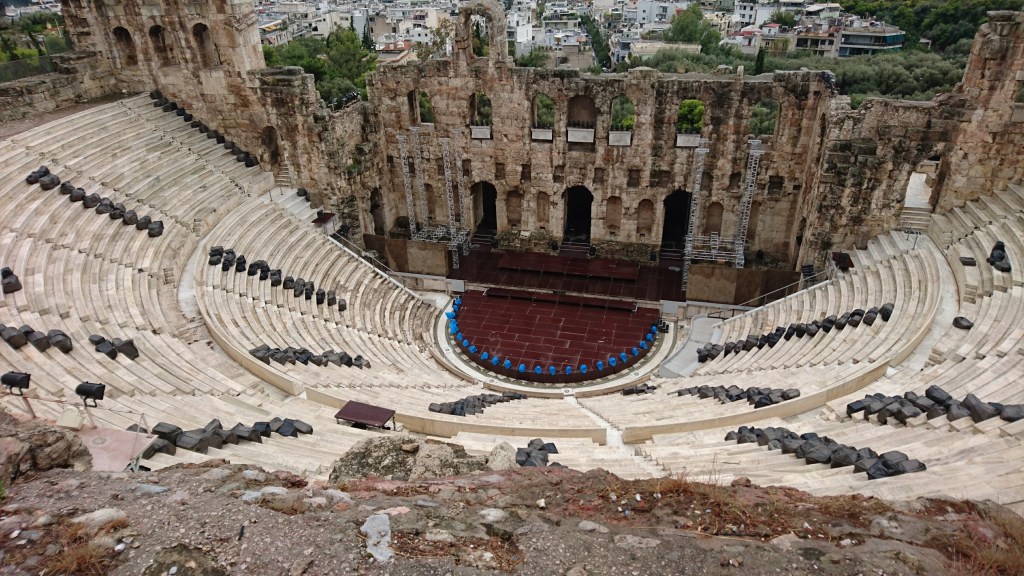
Odeon of Herodes Atticus Having suitably feasted on the sights and sounds of both ancient and modern Greece, I decided it was time to return to my hotel. However, I soon discovered that I was having trouble explaining to the Greek taxi driver where my hotel was, so I phoned Eleni and gave the phone to the driver. After a fairly animated discussion between the two of them in their mother tongue, the location of the hotel was identified, but having seen her WhatsApp profile picture on my mobile, the taxi driver then exclaimed in English to her, “You’re beautiful!”
Well, that’s the Greeks for you, and as an Englishman, I suddenly felt very dull and inhibited although I couldn’t argue with his conclusion about my host. That eclectic mix and splash of local culture and colour is surely what travel is all about, and I love it. Greece and her people will always have a special place in my heart, and I’m sure to return.
And if you haven’t yet sampled the delights of this enchanting country ringed by the sparkling Ionian, Aegean & Mediterranean Seas, then as soon as you are able, I encourage you to book your flight and go and see, not just things and places, but meet the people that make it so unique. I had the distinct feeling that this short trip to Greece was going to live long in my memory. Kalinikta Hellas.

-
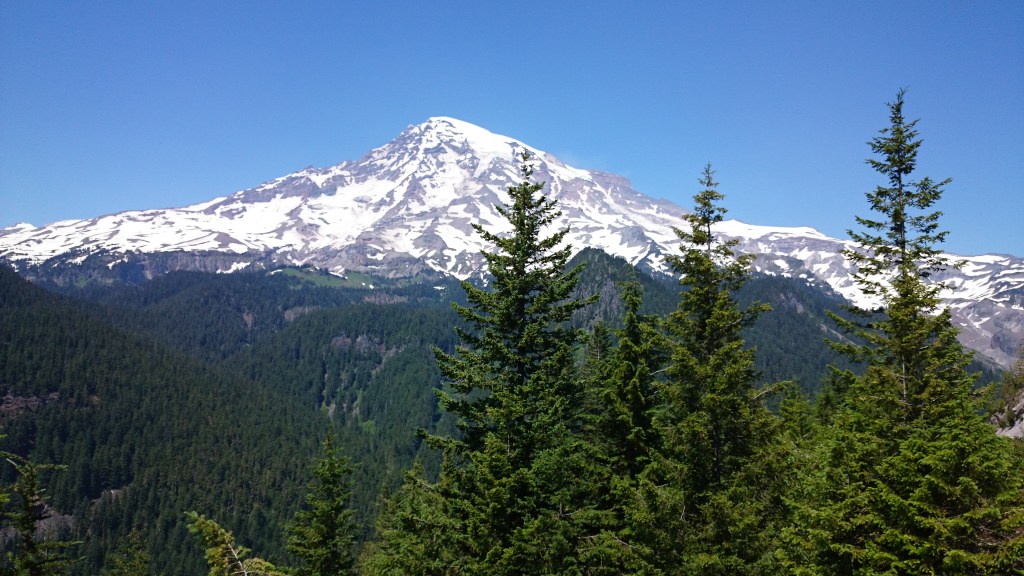
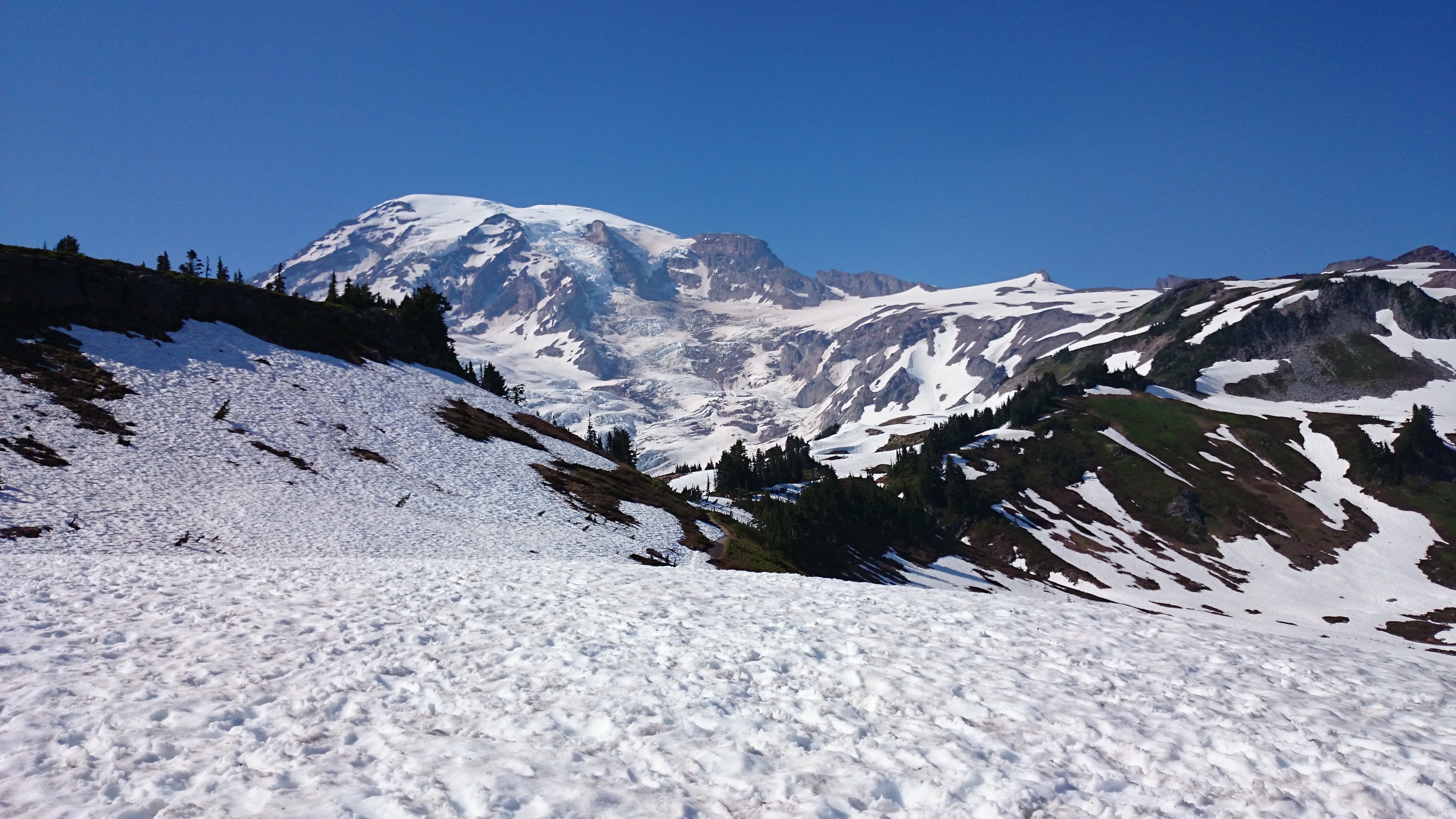
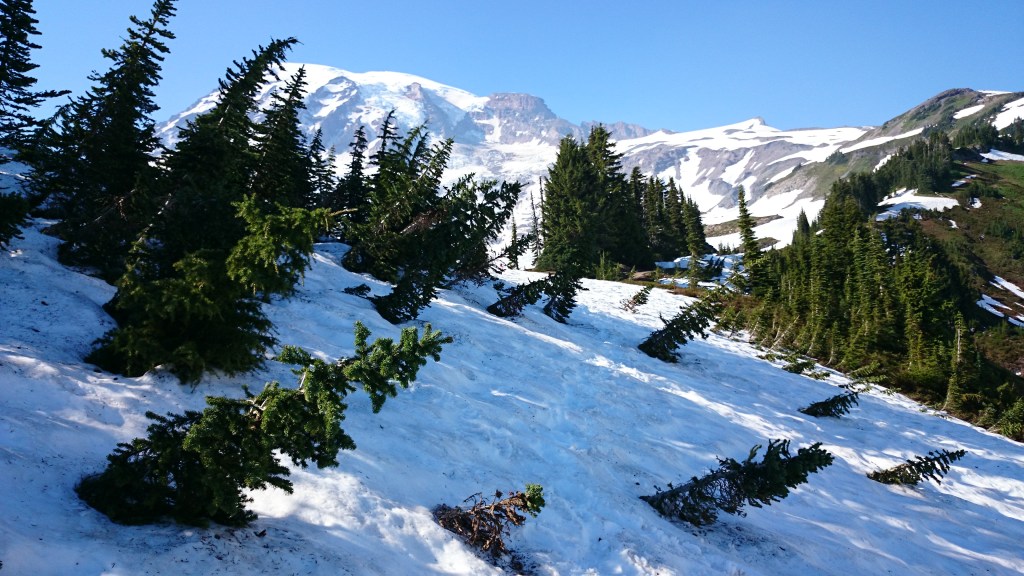
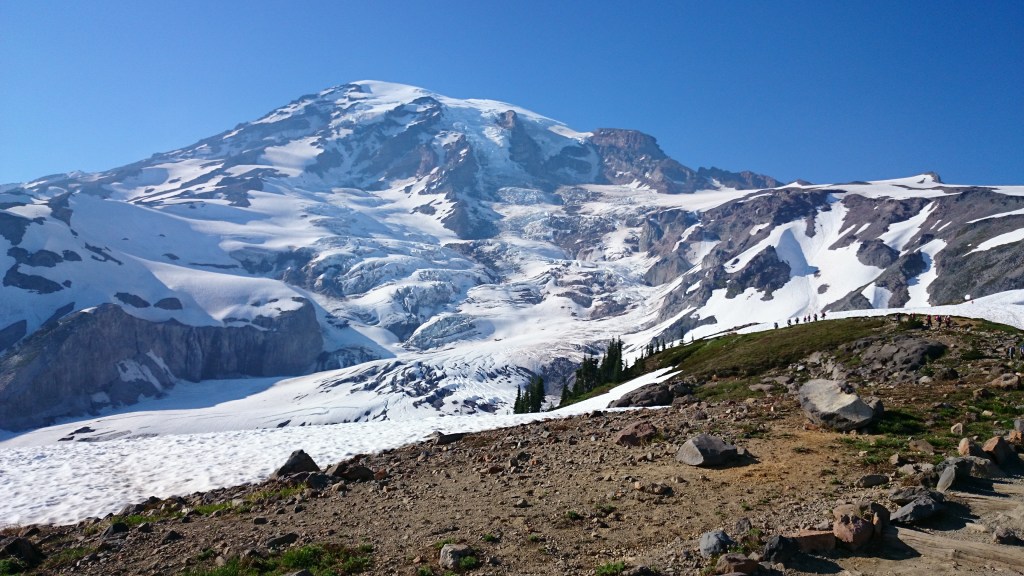
Mount Rainier appeared like a mirage in the distance, summoning and calling us to ascend her snowy mantle. At last, my father, my brother and I set off towards her majestic peak beckoning to us for supreme adventure – and we were ready for that.
As we drove on and on, its icy cap filled the horizon with increasing dominance. Ascending higher and higher – we were heading for the Southern Cascades; that vast range of mountains that bisects Washington – reaching from the Canadian border down to the State of Oregon. We had arrived in the Olympic National Park, and our goal, the focus of our desire lay in front of us.
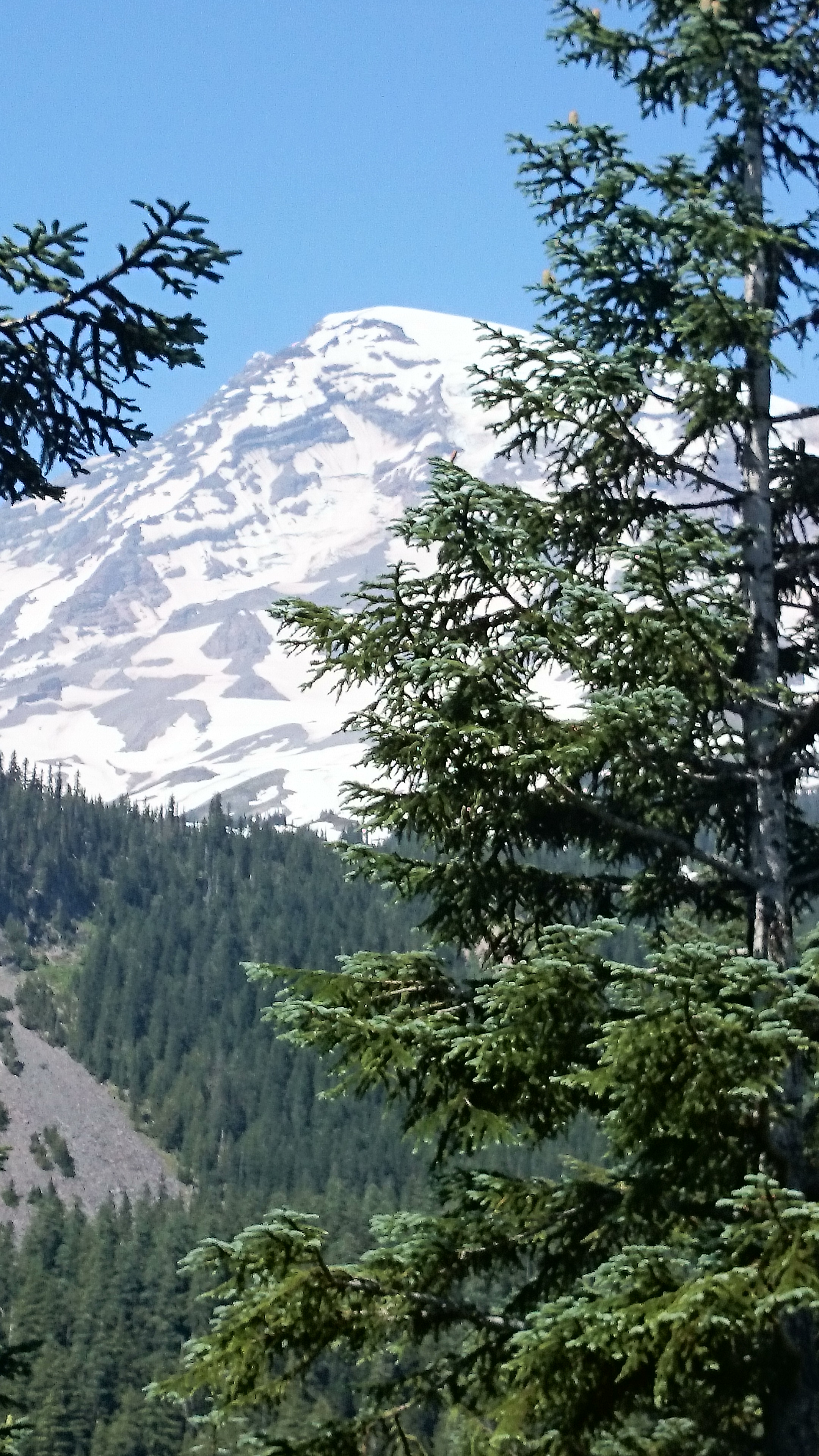
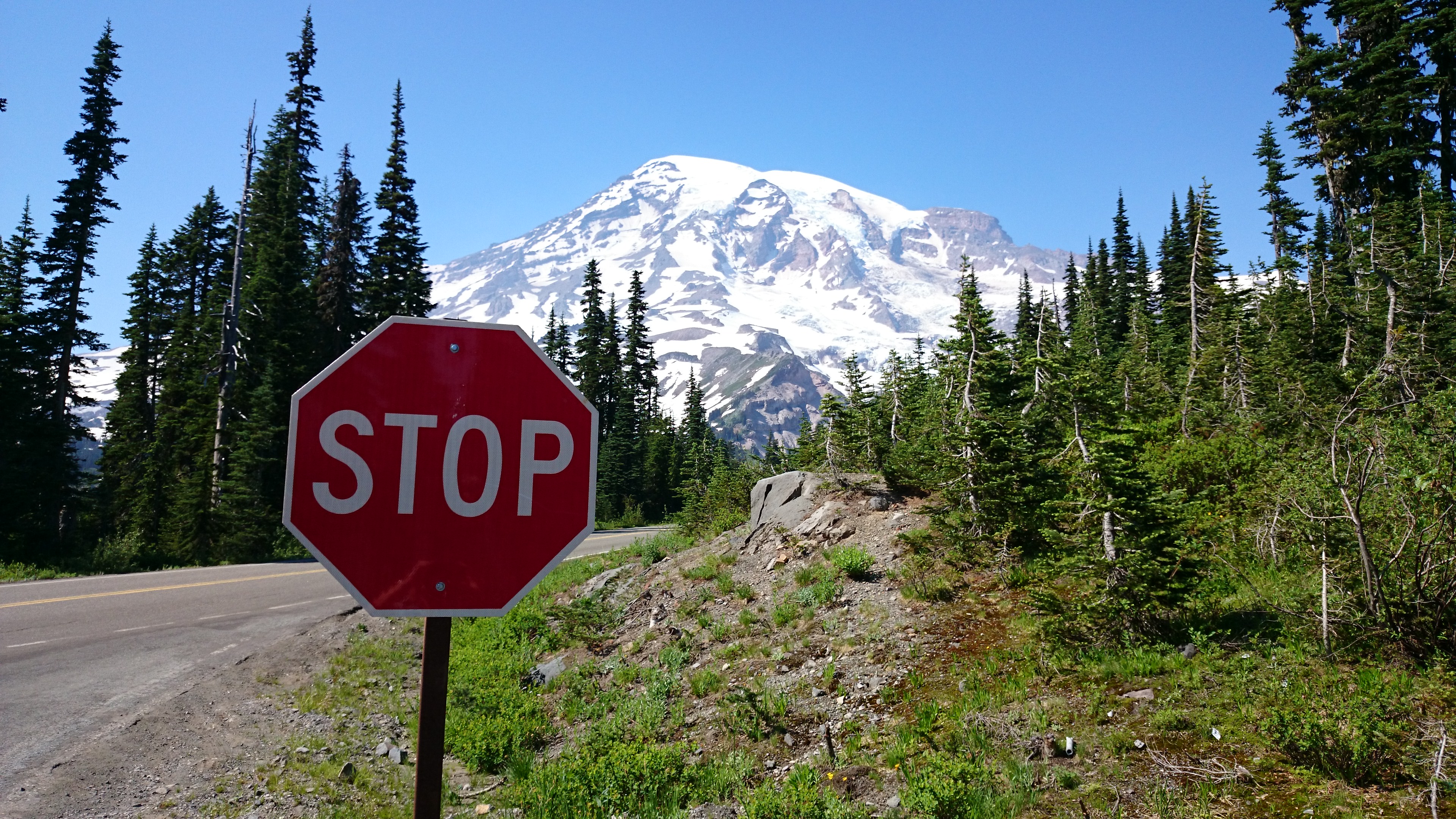
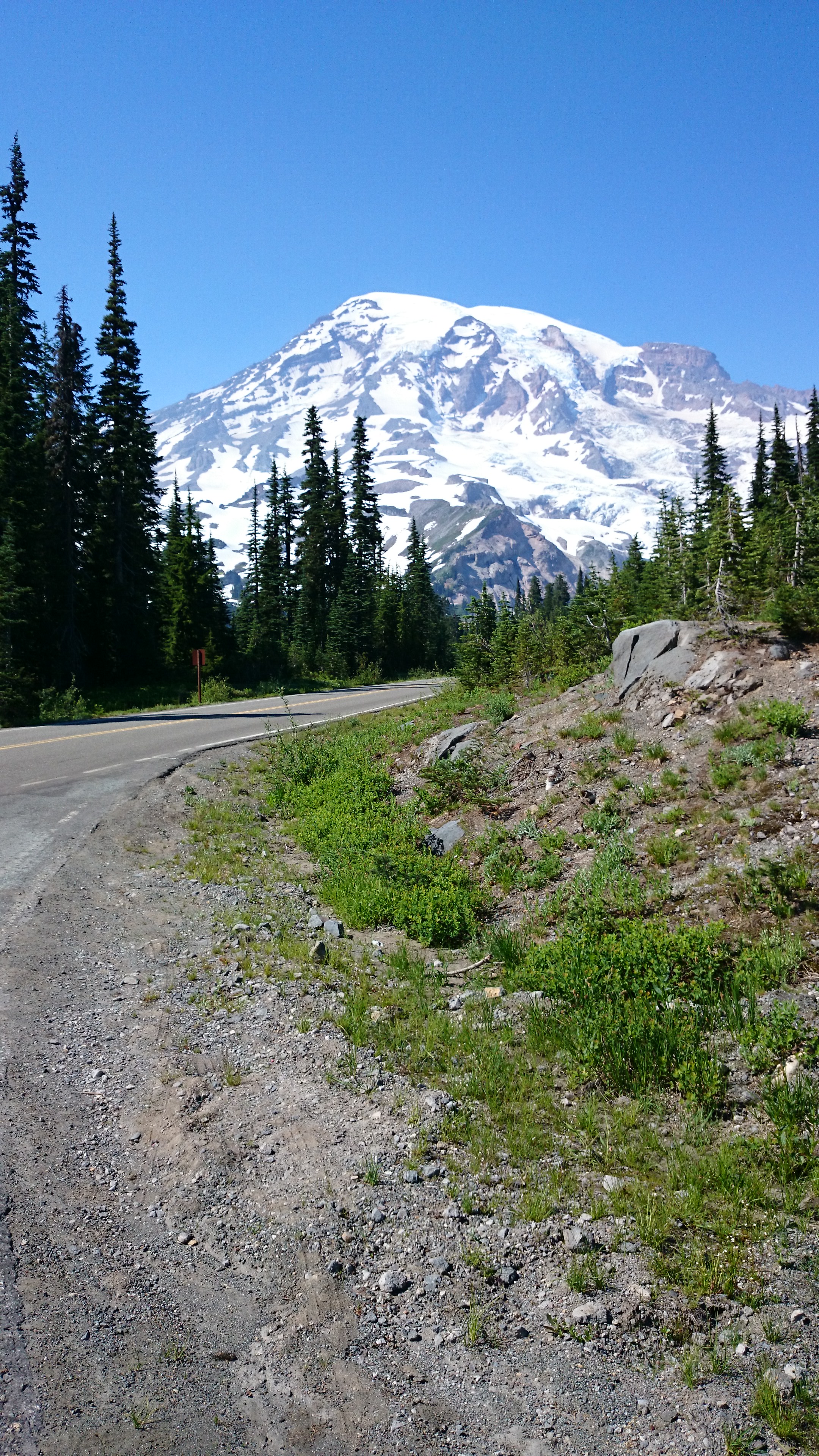
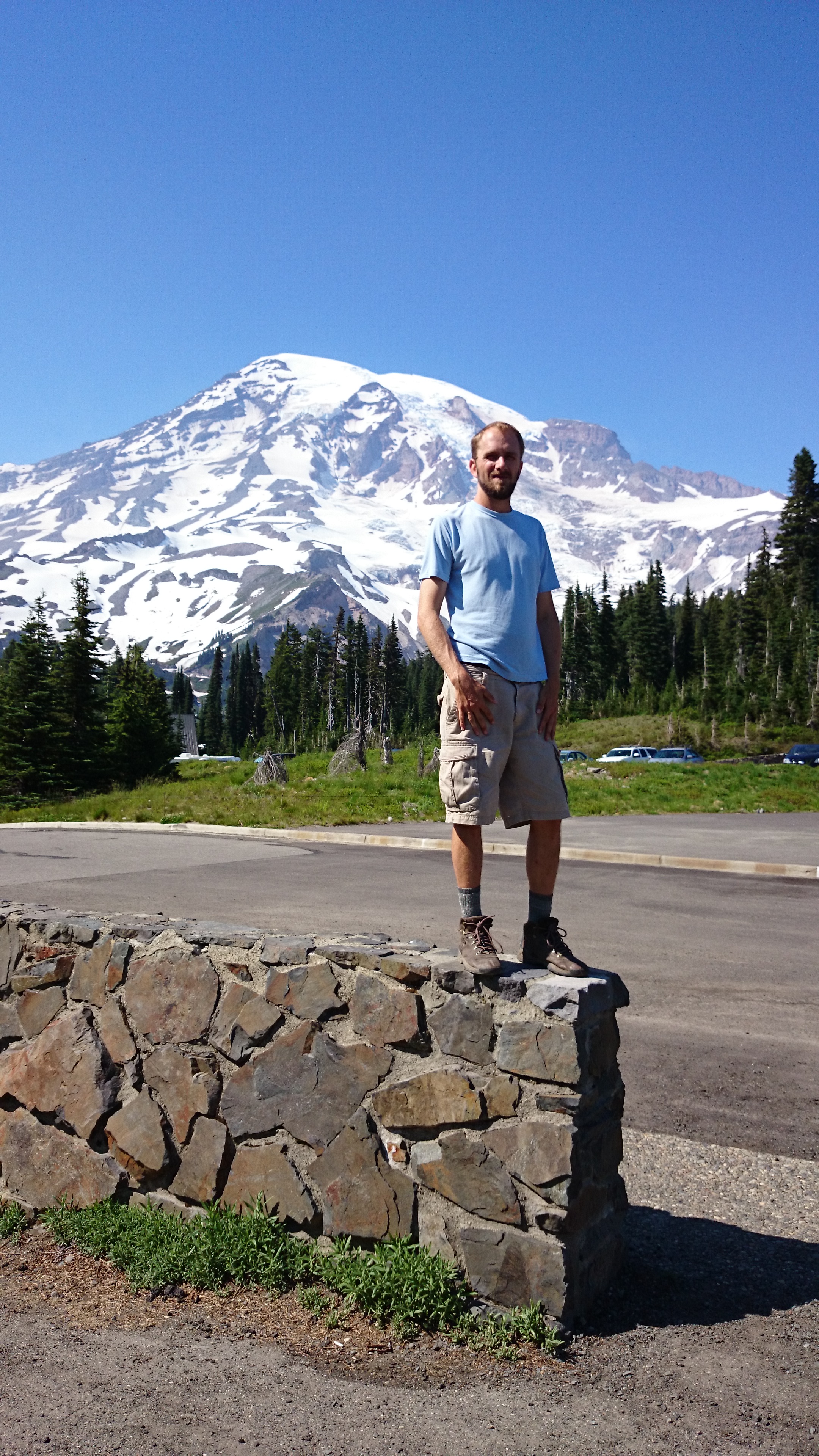
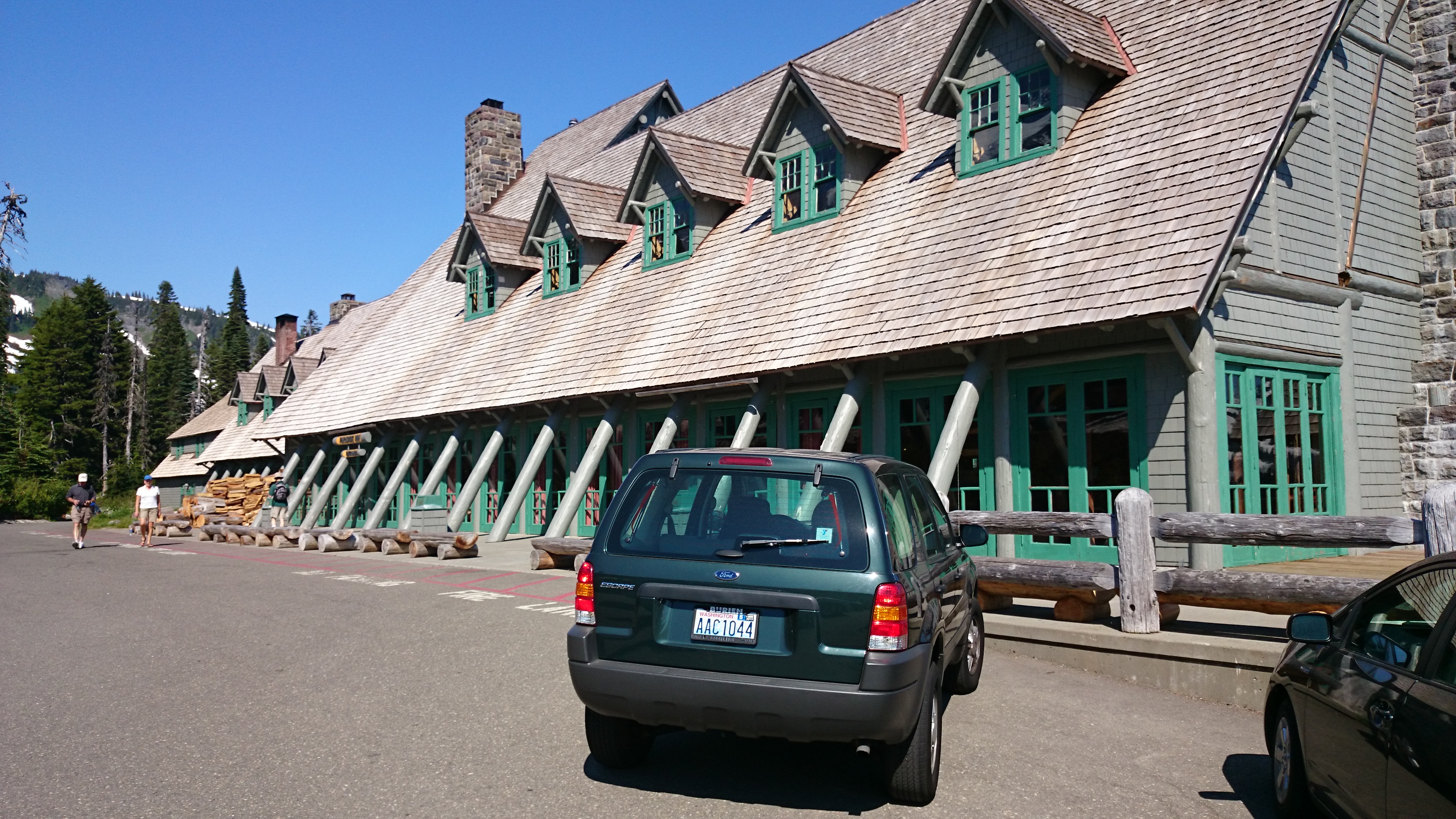
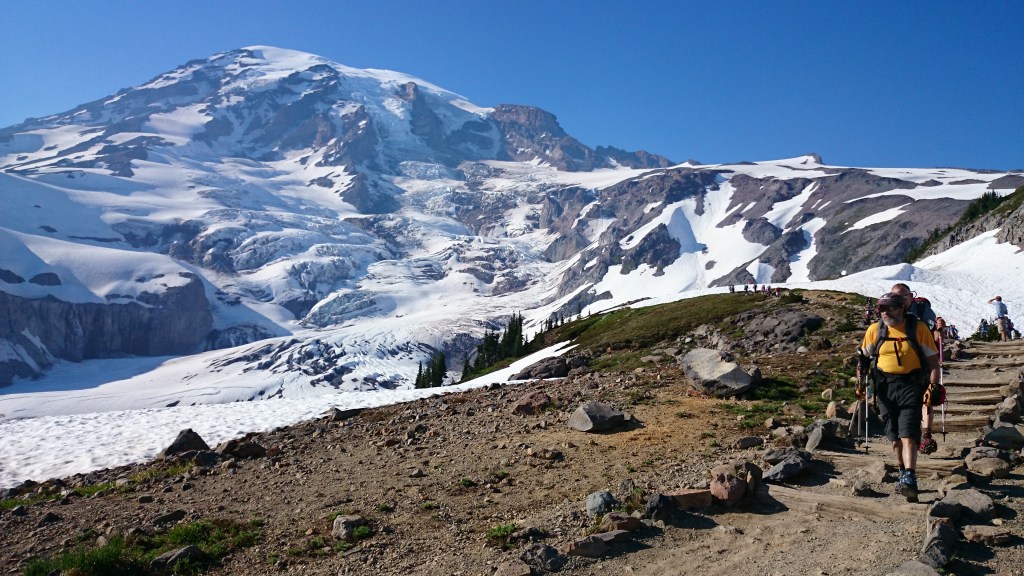
The excitement built and reached a crescendo as Rainier now loomed large in our field of view. Snowy vistas beckoned as we began our upward climb. Up and up through the snow we trudged, icy tentacles wrapping around our feet. The air was clear, still, and rarefied as we left civilization below us. The snowy peak was calling us, daring and challenging us to come up higher. Overcoming tiredness, aching limbs, and with a steely determination, Jonathan and I persevered and pushed on up the mountain.
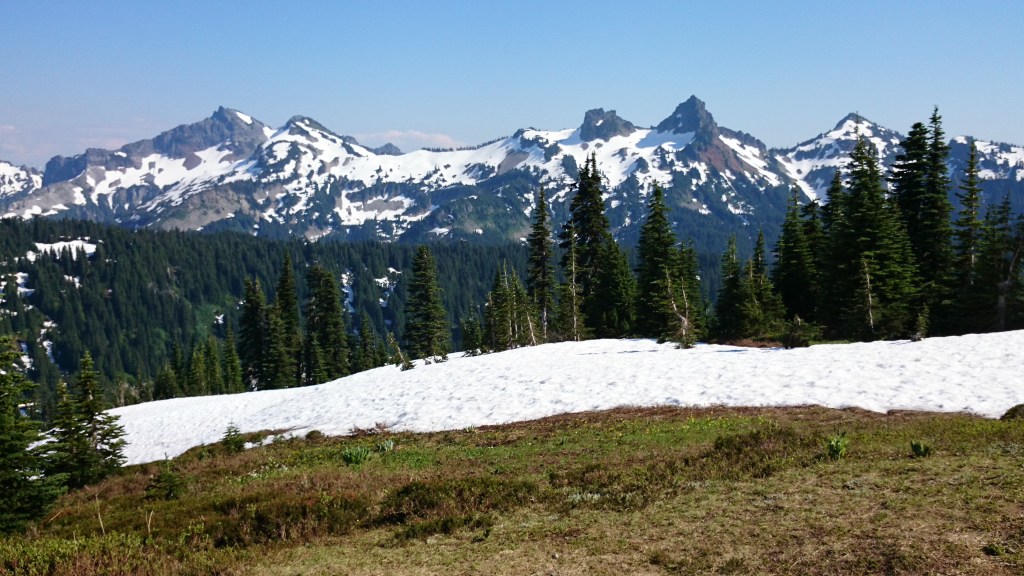
This time with my brother was precious; bonding, shaping, and connecting. Separated by so much distance and so many years, at last we were together. Climbing, ascending with the Southern Cascades as our back drop, mighty rocky promontories reaching into the still, blue sky announcing their majestic and undeniable presence.

Mount Rainier, Southern Cascades, WA We reached 7000 feet, meeting triumphant and satisfied climbers who were descending from a much higher altitude. We were now up in the land of the gods: glaciers, snow fields, mountain goats and marmots.
Finding the source of the Nisqually River, I drank from its sacred spring. Clean, clear, cold and unimaginably refreshing, I allowed the water to invigorate and refresh my tired body. The glare of the snow continued to shine and dazzle in the afternoon sun. Photo opportunities abounded; I felt overwhelmed by the sheer beauty of our new environment.
Satisfied, and having gone as far as time, energy and the now waning sun would allow, we began our descent even pausing to engage with a Mountain Marmot who was very curious about what we were doing. Maybe posturing for confrontation or seeking food – we shall never know. But as we descended, we met more explorers, climbers and hikers who were also enjoying the icy delights of this snowy arena.
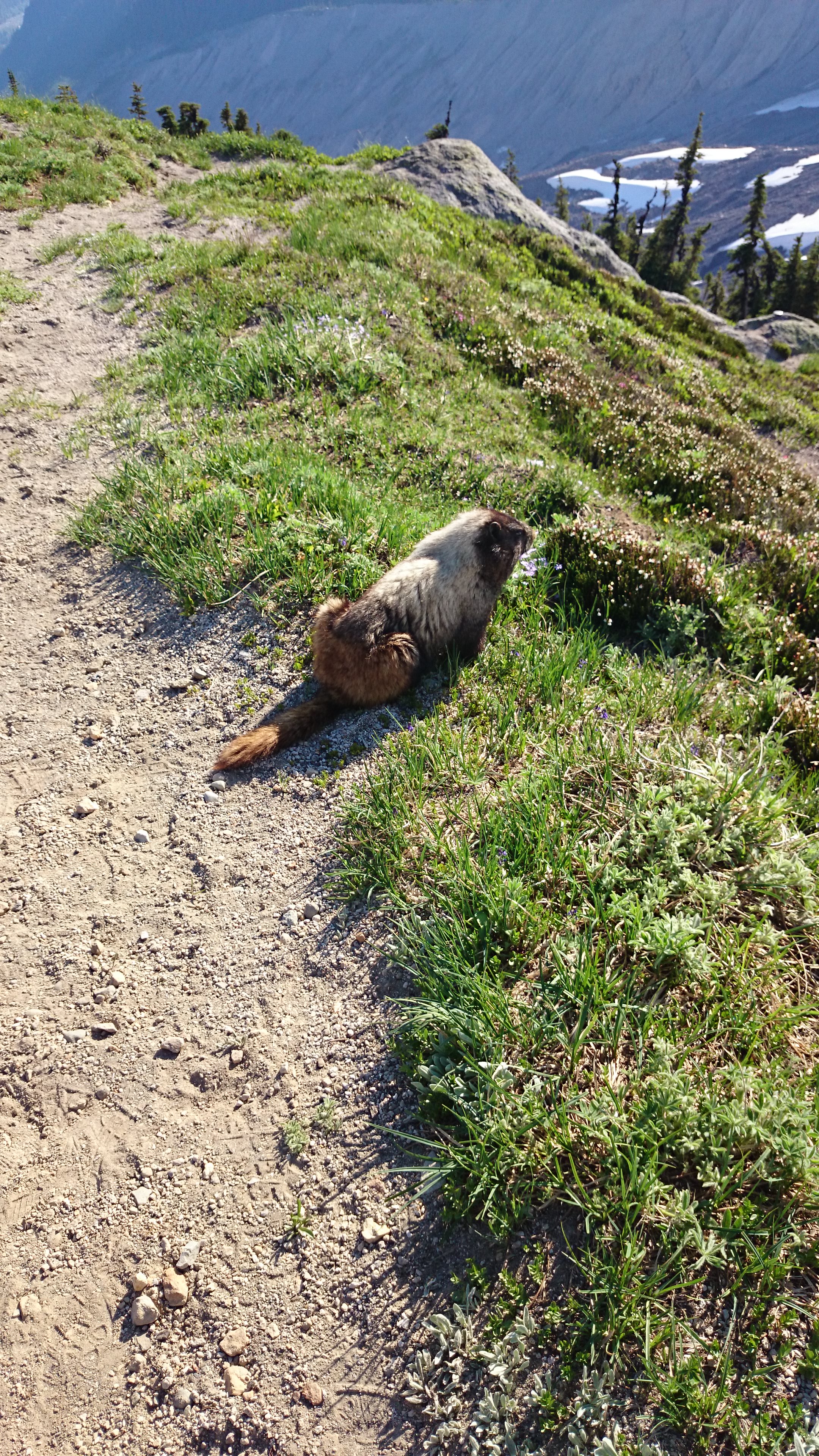
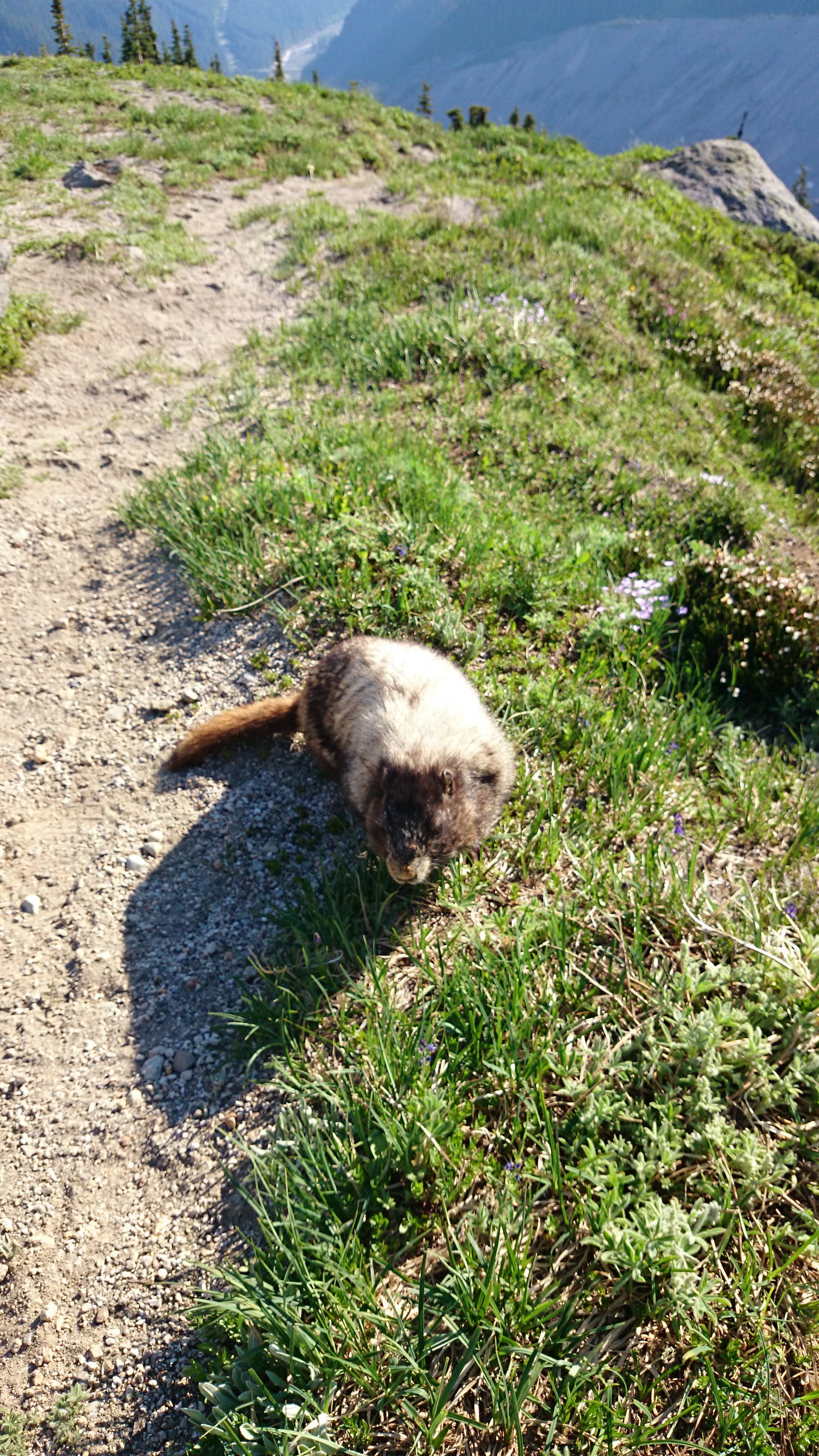
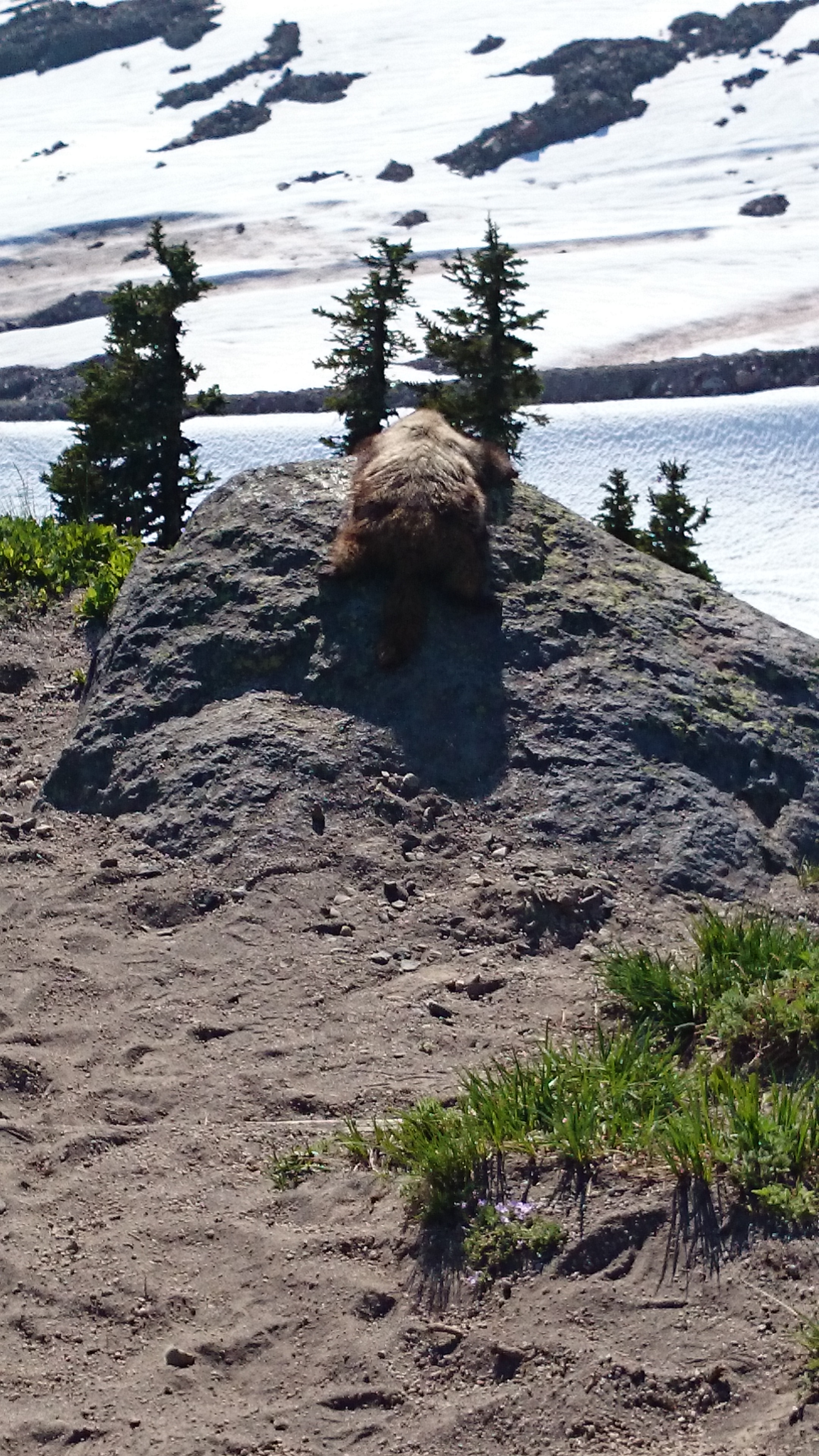
Regrouping down below and eventually drifting homeward, I reflected that it had been a day like no other. We had come and conquered, and now felt fulfilled, contented, and grateful for this time together enjoying the sheer magnificence that is Mount Rainier.
-

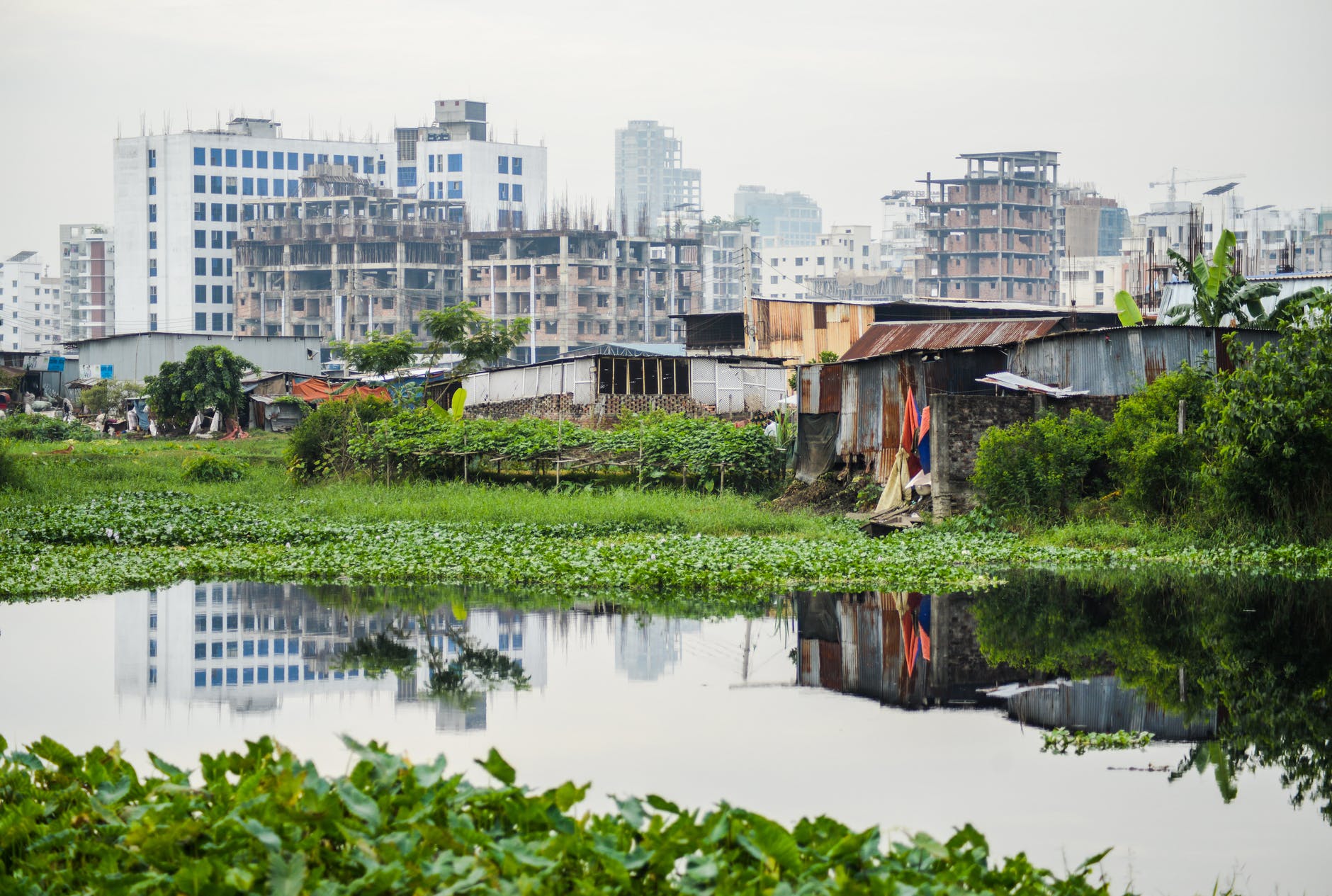
I have been travelling to India for almost 25 years now, and it is fair to say that I have seen a few changes over the years. I have seen this country dynamically shift in some ways, and in other ways not. I mean India still has masses of terribly poor people eking out a living from day to day, and admittedly, the very-poor have always existed alongside the super-rich. If you go to any major city like Delhi, Mumbai, Kolkata, or Chennai, you will see the slums and the skyscrapers together.
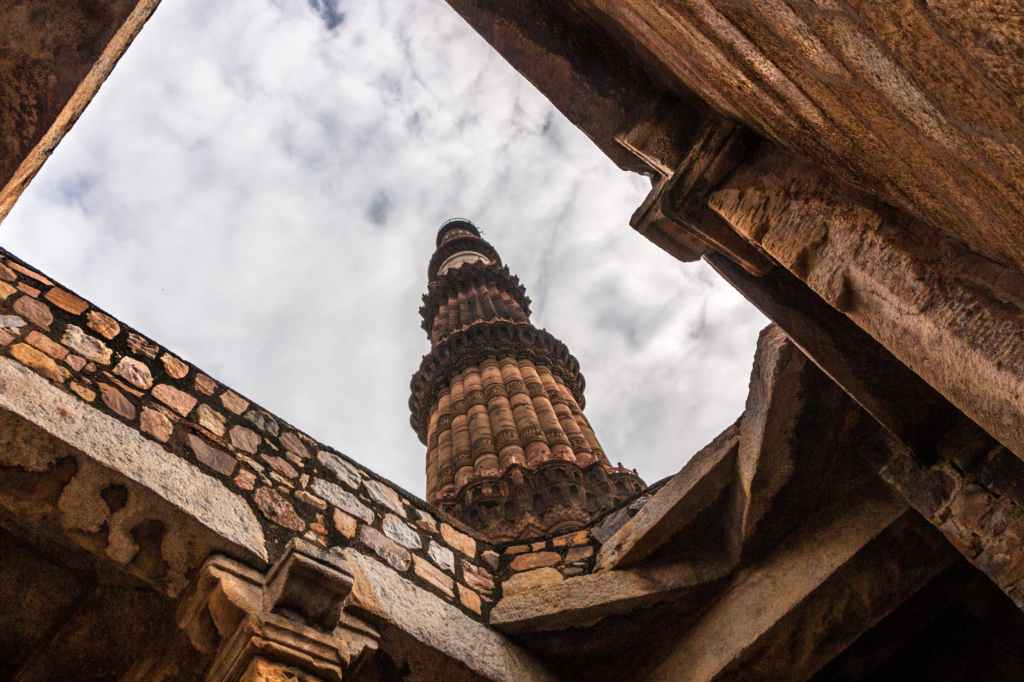
Photo by Aviral Swarnkar However, what is different now here in the 21st Century, is the emerging middle class, the young, ICT literate and upwardly mobile – that generation of Millennials that have reached adulthood. This was never more evidenced than when I was riding the Metro in Delhi last year. Smartly dressed young men and women absorbed with their smartphones, as interconnected and aware as the rest of us on planet earth.
Delhi’s Metro is ever expanding and easy to use. Colour coded footprints on the walkways help direct you to the right lines; it really is a thing of beauty and an enormous asset for all city dwellers. Sprawling out like a spider’s web across the nation’s capital it transports the young and beautiful, and the not so young and beautiful to wherever they so choose.
My friend Varun, from Varanasi but now living in Delhi with his family, remarked that once you’re inside the Metro system, it’s like being in the UK. However, the moment you emerge, you are back in India again. I knew exactly what he meant; the metro is relatively new and modern and yet when you come out it’s almost like you have been in a time warp, because you are back to the rickshaw wallahs, the roadside vendors, the noise, heat, and pollution. But this is always the way that India has been – rich and poor living side by side.
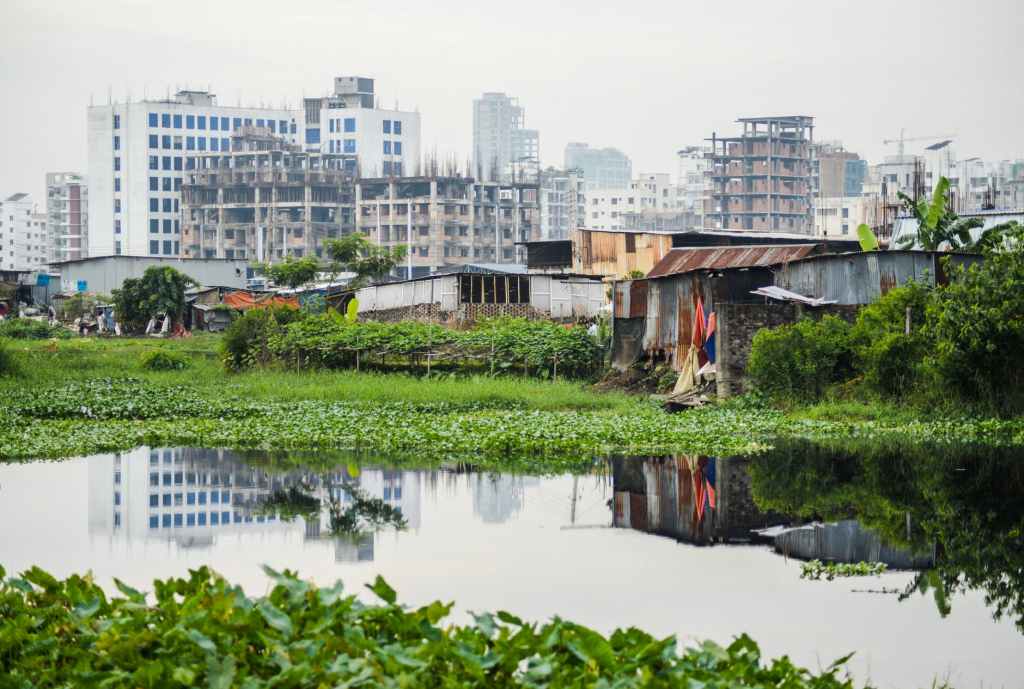
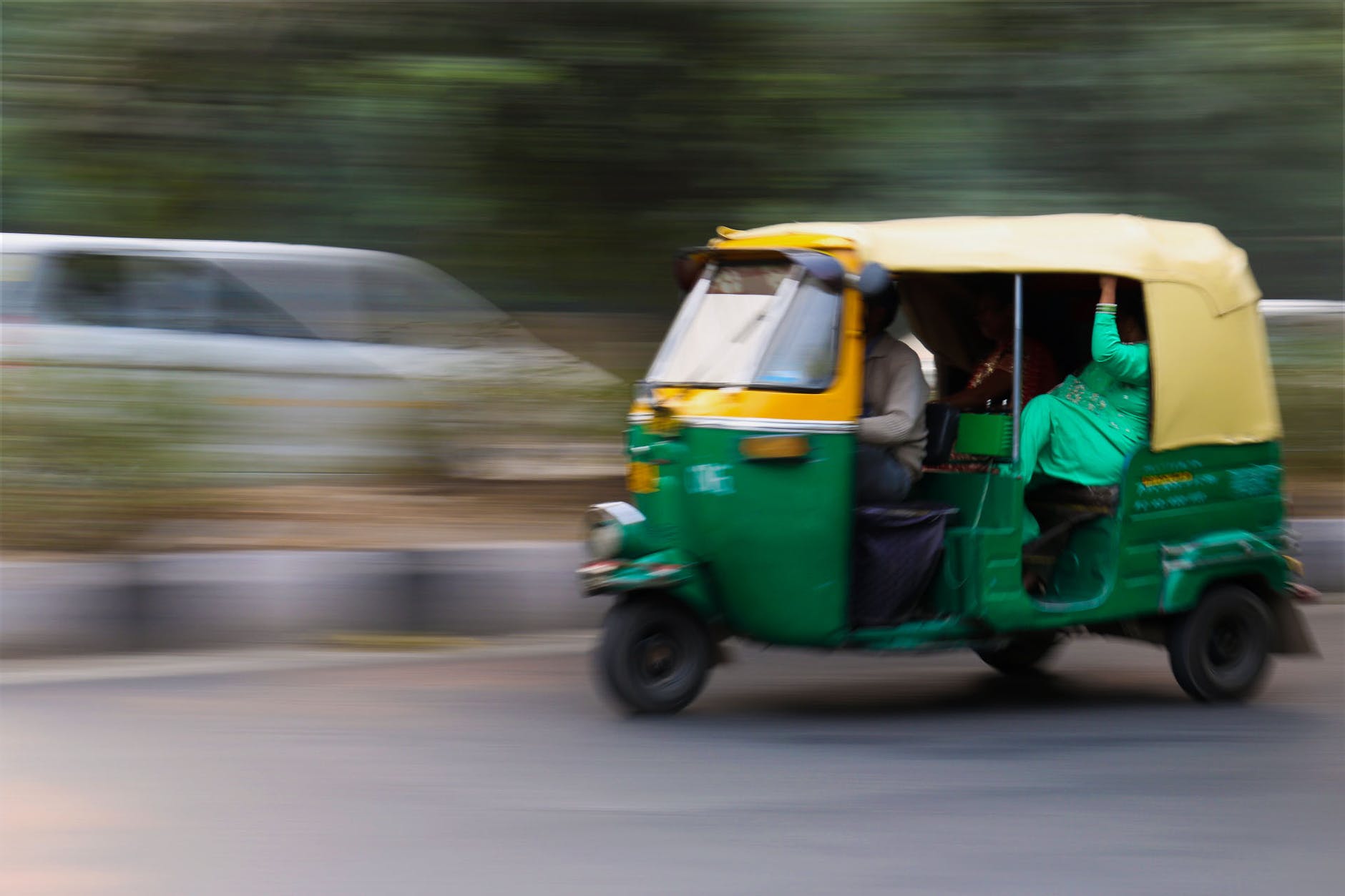
Photo by Shadman H. This is a vastly different story from when I first arrived in India back in November 1995. There was certainly no metro and the preferred method of transport was nearly always an auto-rickshaw, or an old ambassador taxi. But I guess now in this age of climate change, something had to give, because as you will know if you have ever visited Delhi, the smog there is fairly legendary. In fact, at times, it will bring the whole city to a halt because the visibility becomes so poor.
I always knew that air pollution was going to be a challenge for this emerging economic giant. The moment our 400 ton 747 landed with a heavy thud at Indira Gandhi International at Delhi, and its tyres screeched and smoked along the runway tarmac, I could smell the definite bitter, poisonous tang of heavy smog in the air. I cannot say that the air quality has massively improved since then, but with initiatives like greener, less polluting auto-rickshaws and the Delhi’s dazzling metro, things are sure to improve over time.
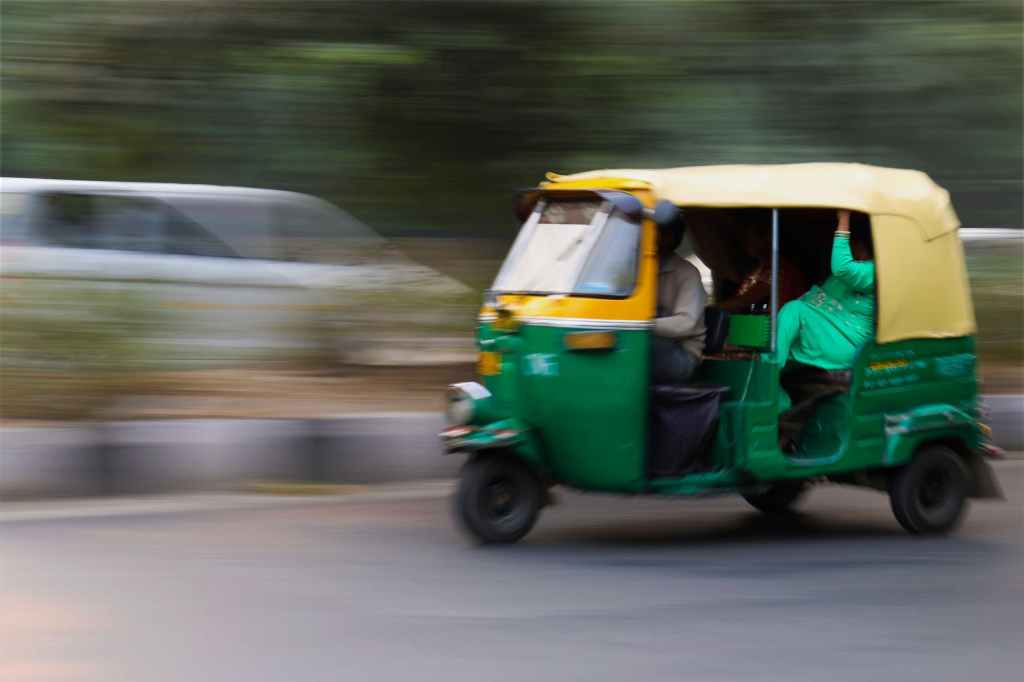
Photo by PS Photography -
Thirty years of age, from Tyre in Lebanon, Jabira had luxuriant, thick, tightly curled hair which contrasted with a complexion that was paler than what I would have imagined for someone from the Middle East. Faultlessly dressed in her pastel-coloured airline uniform, Jabira wore vivid red lipstick like a movie star.
Perching on the crew seat, at the rear of the aircraft by the galley, she told me that she loved to travel, and even travels on her day off. The conversation then moved in a more personal direction when Jabira told me that she was marrying a guy sixteen years her senior and that this was a good thing.
She preferred more mature men, and her rationale behind this thinking was that older guys are more experienced, they have seen lots of interesting things in life, were stable and are not always looking at other girls.
I immediately began to relax, because up until that point, I was going to be writing a stiffly worded letter of complaint to the airline head office. I was travelling to India once again full of anticipation and excitement, but I had just suffered the worst airline food and service in years of flying.
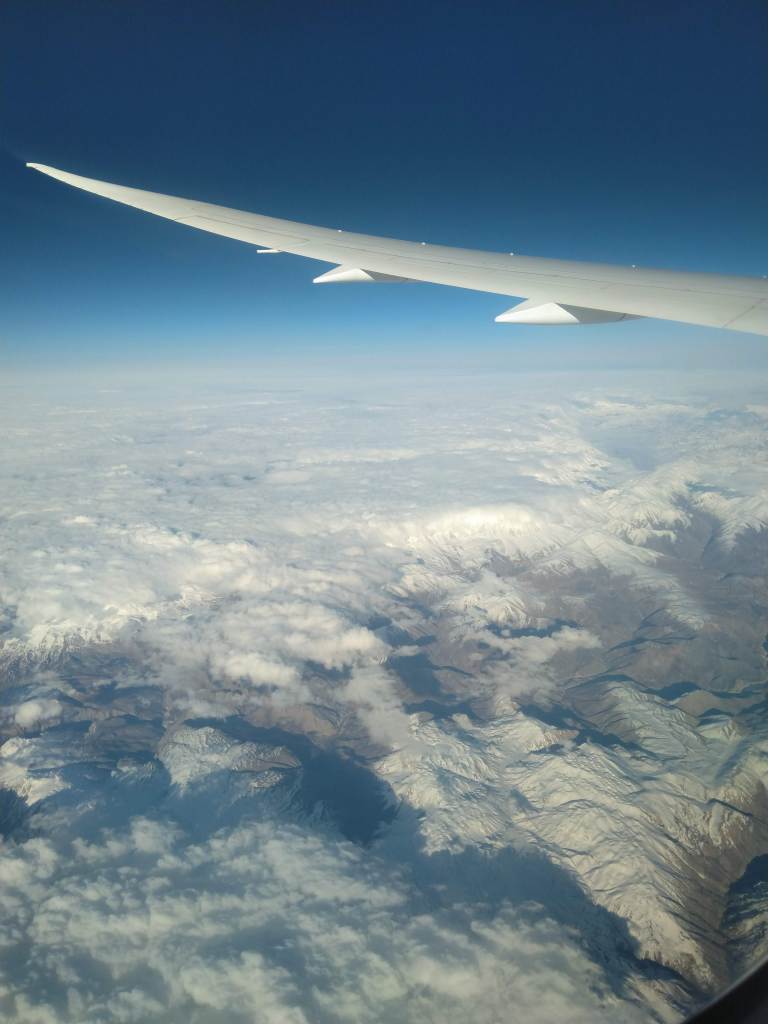
Feeling restless, I had torn myself away from the irresistible view of distant, foreign shores below me, and a vast, unending range of jagged, white-topped mountains interspersed with glacial lakes. Heading to the rear of the aircraft, I needed to do what every passenger must do after a few hours in their seat. That is when I came face to face with Jabira.
I interrupted her lunch break by remarking on the healthy and nutritious tuna salad that she was eating. Graciously, she then engaged in meaningful conversation with me and willingly surrendered up some personal and fascinating details about her life.
With an impending summer marriage, Jabira was trying to lose weight for her husband-to-be. She declared that at the age of 30 she was now old, and the older you get the more difficult it becomes to lose weight. Of course, I reassured her that she was neither old nor needed to lose weight.
Eventually, the Bursar came and interrupted our conversation, telling the crew it was time to attend to the needs of the passengers. I said goodbye to Jabira for now, and I wished her all the love and luck in the world.
Sitting down in my habitual window seat, now gazing out over a different landscape passing below like a geographical conveyor belt, I contemplated what had just taken place.
I had met Jabira and she had shared her life, hopes, and aspirations with me. My pent-up disappointment with the airline had all but evaporated because, at this moment, it simply did not matter anymore.
Later, she strode past my seat and gave me a knowing smile. I relaxed again knowing that I had been touched by the kindness of a stranger, and I was infinitely richer for it.
(Name changed to protect identity).
-

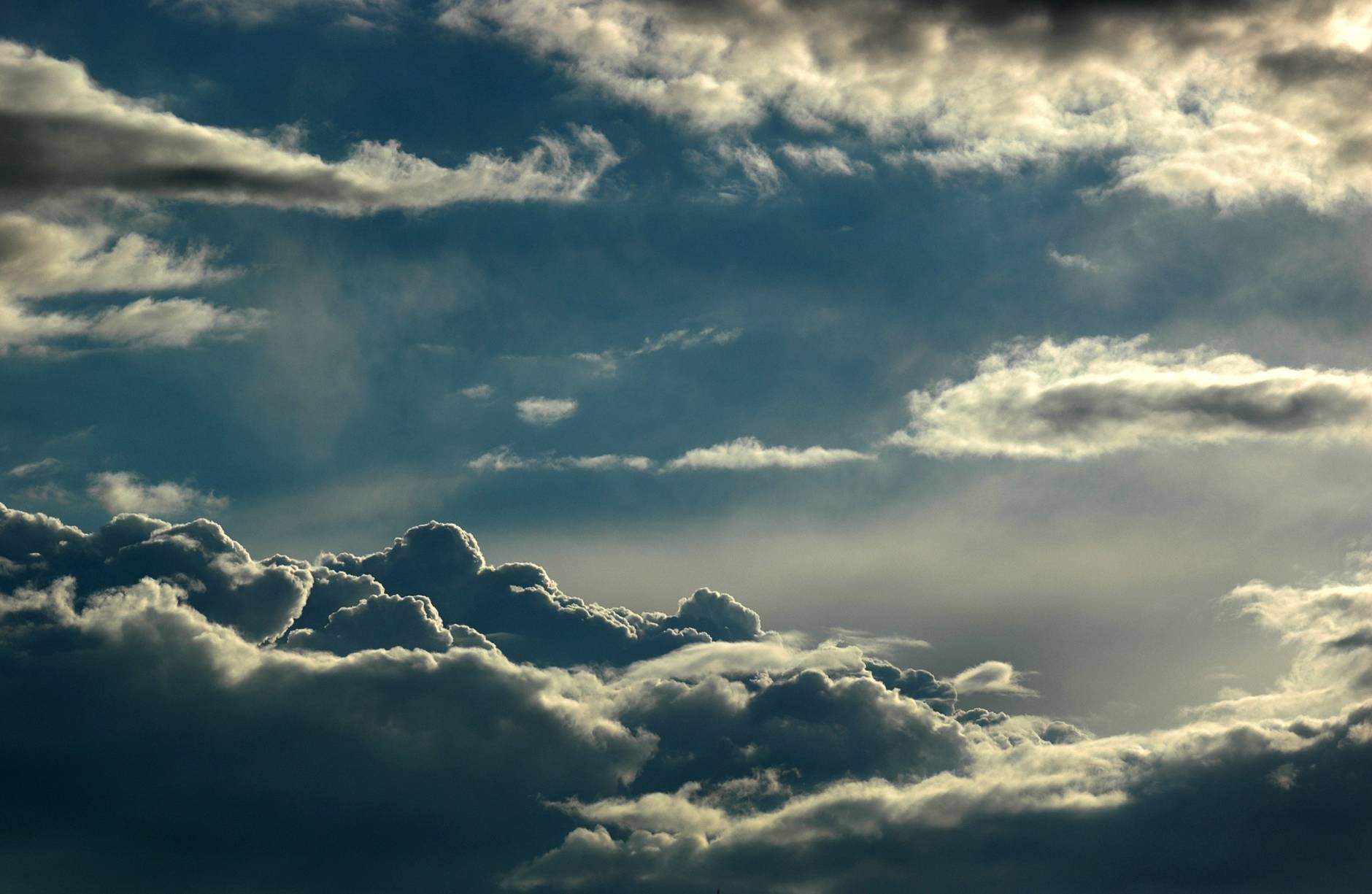
Rain, lots and lots of it. In fact, it was endless, and Sigra Road outside our hotel was rapidly becoming a river. It was September, and we were in Varanasi, North India, in the back end of the monsoon season. Clearly, all the locals were not bothered by it as everybody just carried on, even though by this time the street outside was under 1-2 feet of water.
Big, thick, deafening rain just kept falling out of the sky; heavily, incessantly, and persistently as we watched from the relative shelter of the Hotel Padmini, just around the corner from my friend’s house. I had never seen weather like it in the UK, and I was at once filled with excitement, awe and wonder at nature’s power to bring everything to a grinding halt.
The drainage along the road just could not cope. Too much water, too quickly with no let up. People were getting off motorbikes and pushing. Auto-rickshaws also could not withstand the deluge, and their beleaguered drivers had to dismount and physically force their vehicles through the dirty, brown water.
Cars broke down and again had to be propelled by human effort. But no one gave up, they just got out, got off and put their backs into it because that is what you do in this part of the world. You don’t let something simple like a massive weather system stop you from going about your daily business here.
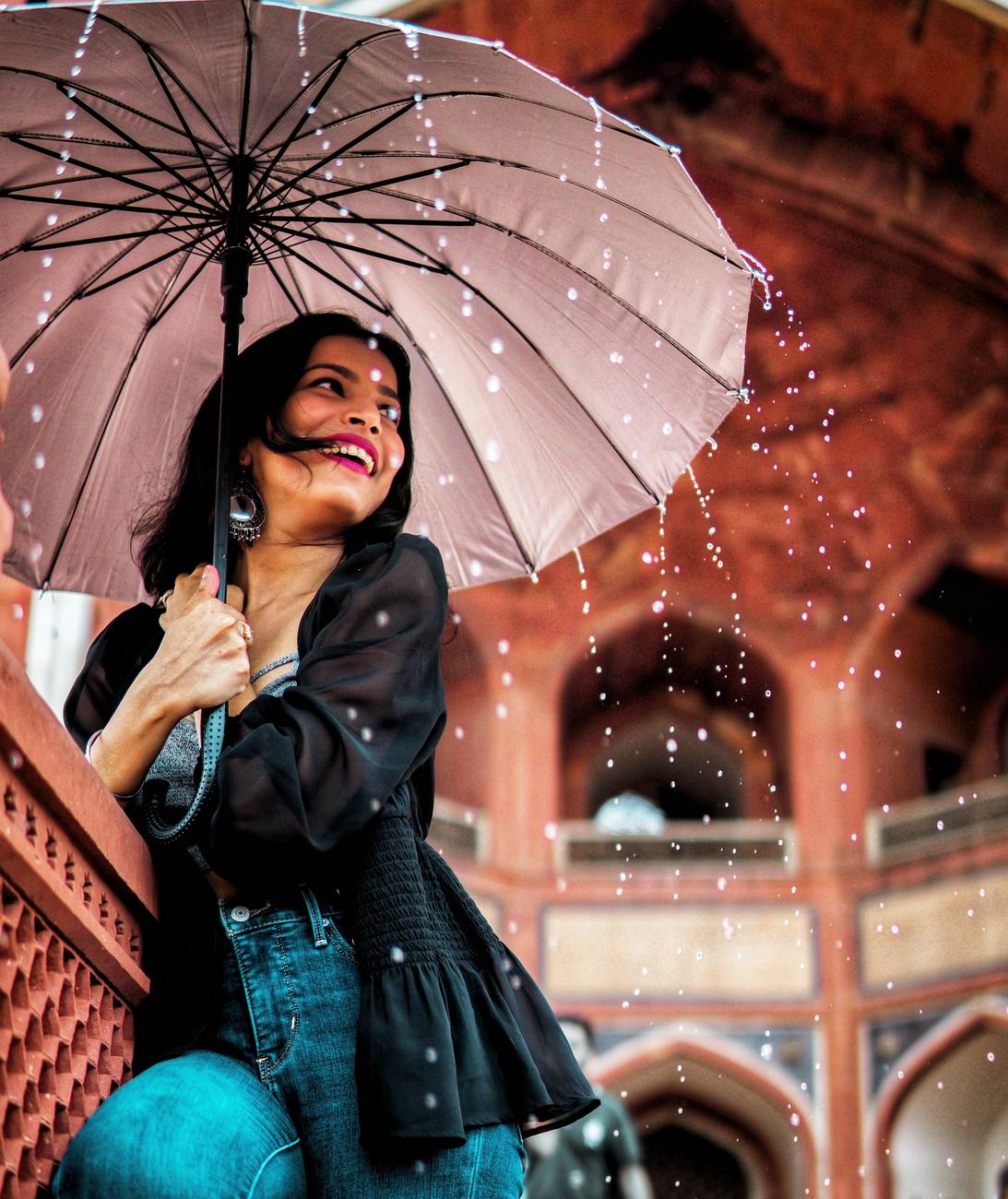
Photo by Rahul Dogra