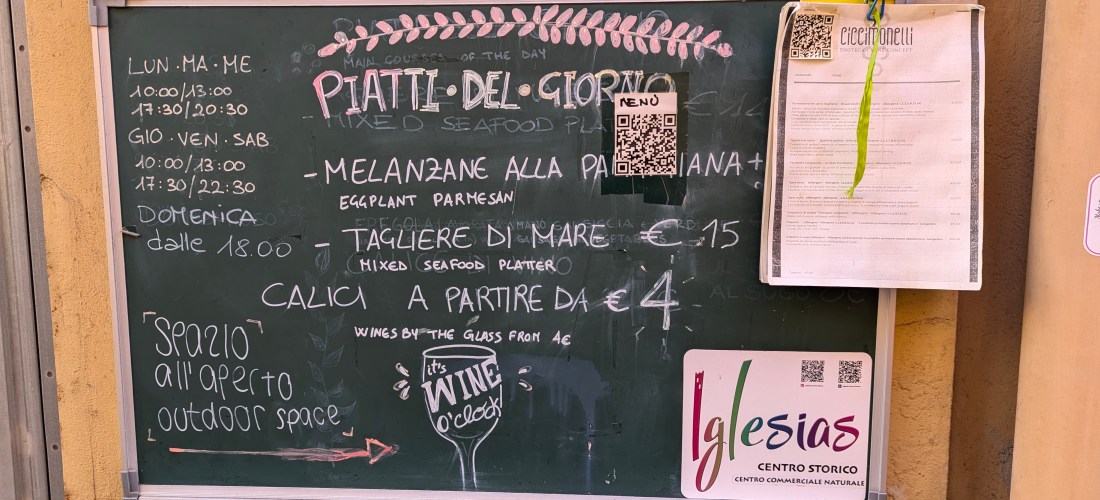
Enoteca Ciccimonelli (the Ciccimonelli Wine Cellar) Iglesias, Sardinia

Destinations, Food, Italy, Travel

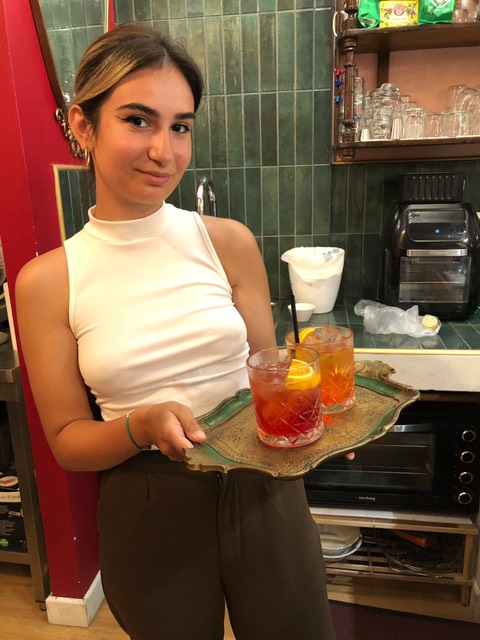
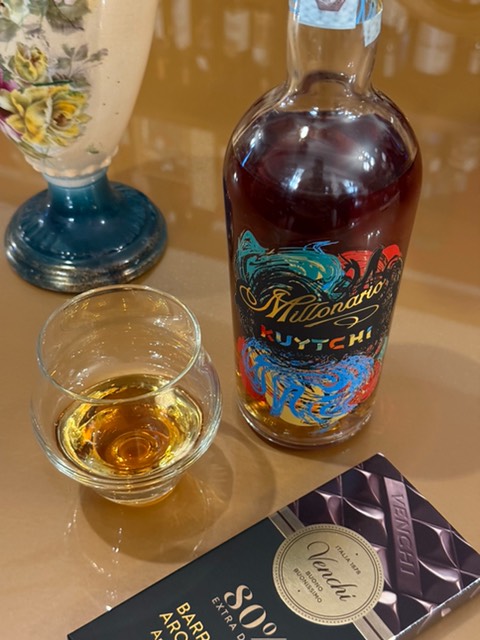
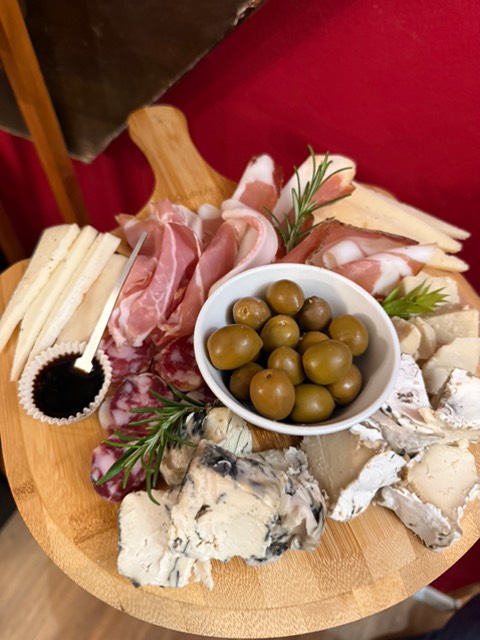
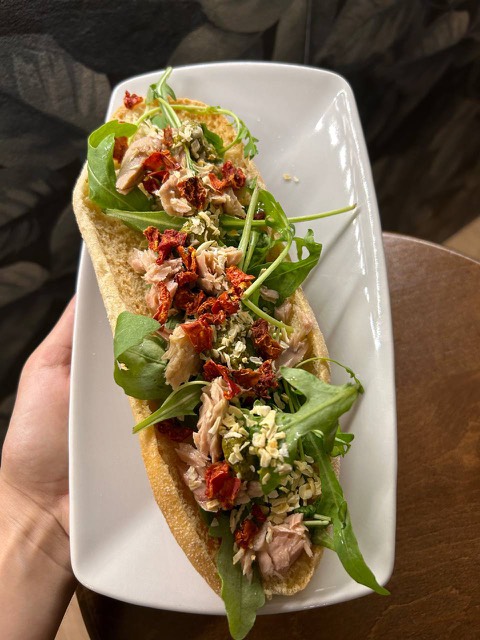
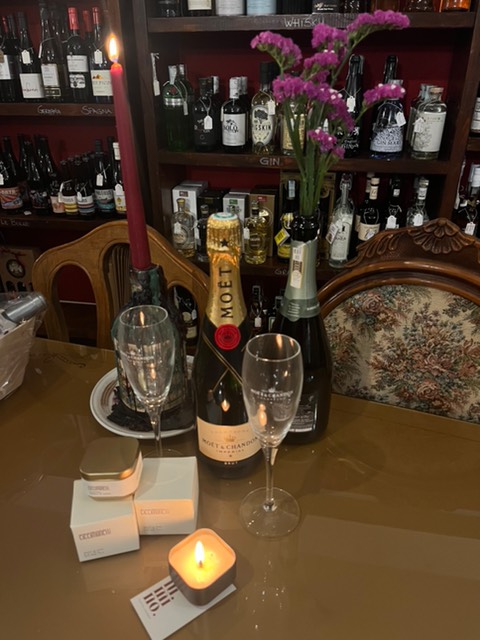
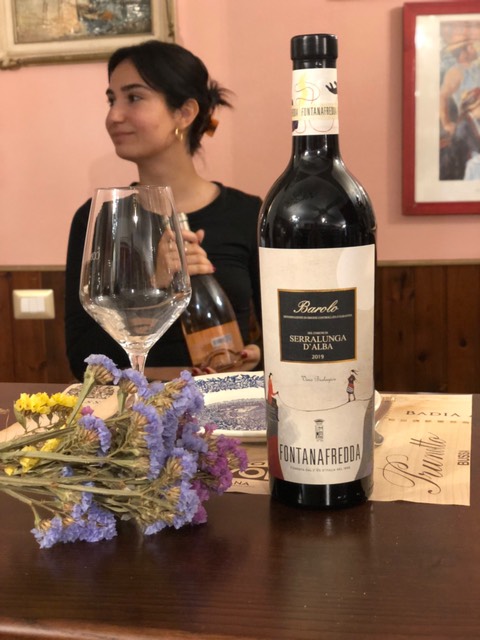
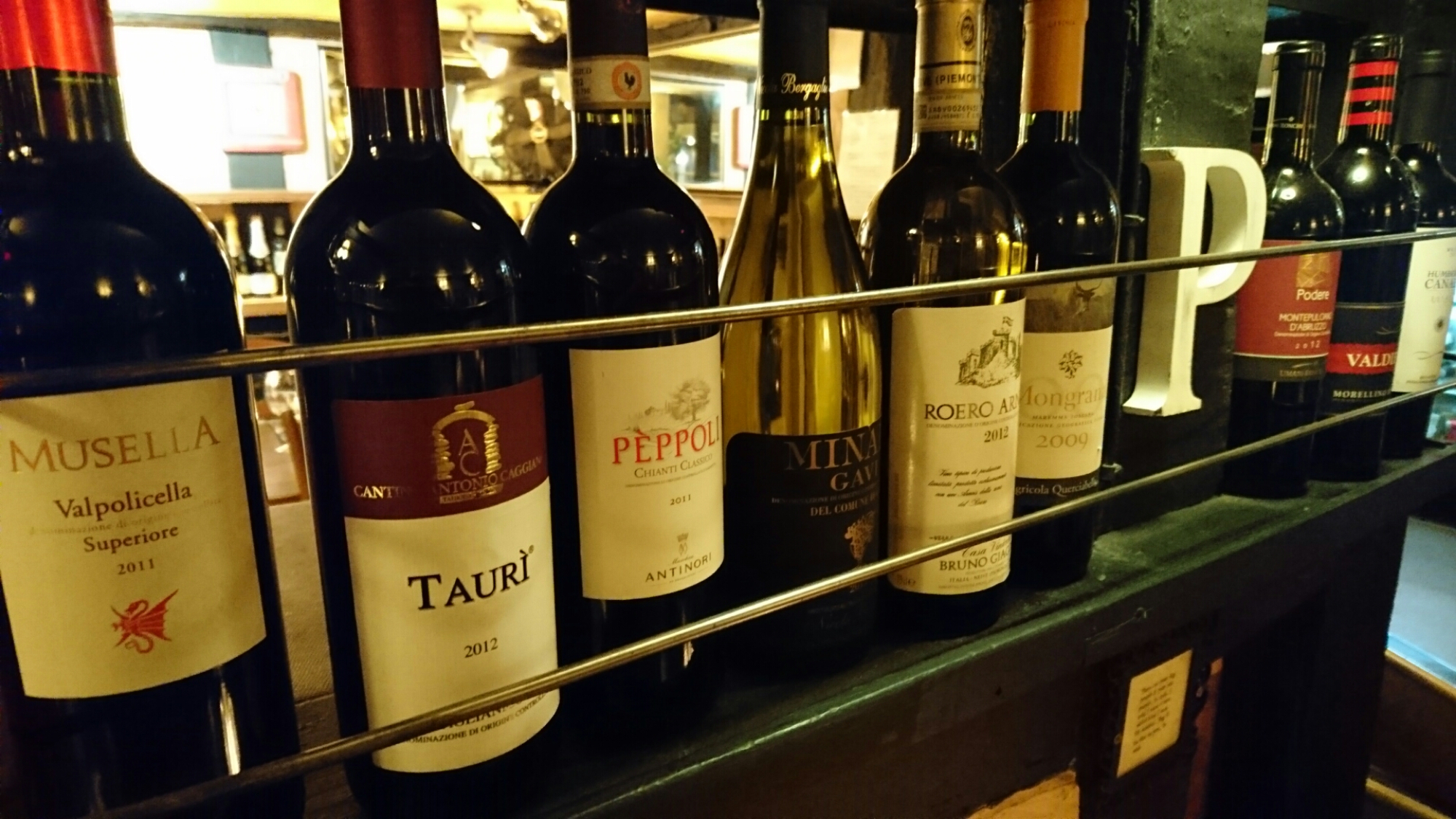
I had indicated to my amiable host, Luciano, of Bed and Breakfast del Corso, that I was interested in wine tasting. And when I say that, I don’t just mean quaffing lots of wine but rather taking a more intellectual approach to this lovely activity. He directed me to Enoteca Ciccimonelli which is not just a very well stocked wine shop, but a very excellent restaurant too.

During my first visit the night before, I had met the owner and a young woman who I believe was his daughter, who served front of house. They told me that they are open as long as there are people around, but it had been a very quiet evening, so they were just locking up and about to go home. I promised them I would be back and I’m glad I did, as my visit the next day proved to be exceptional.
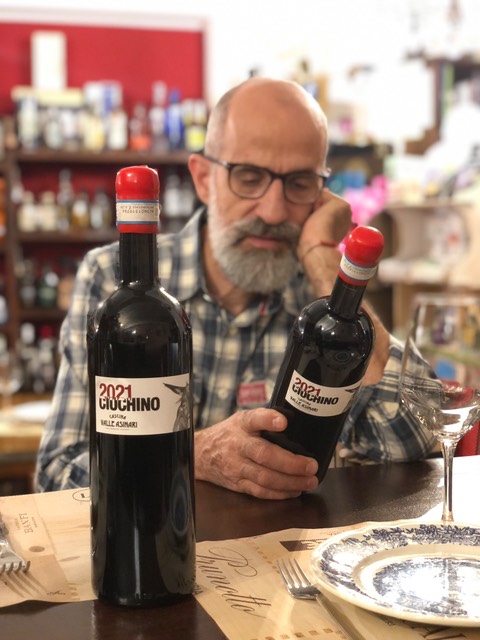
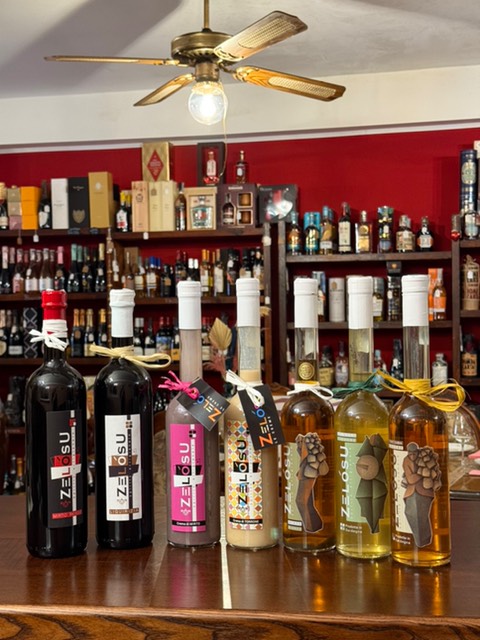
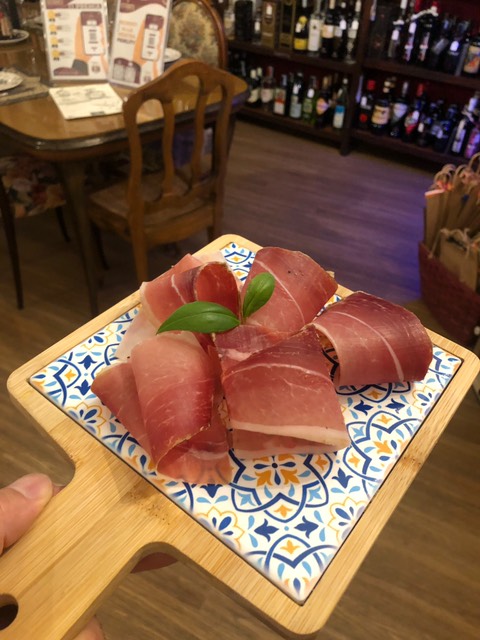
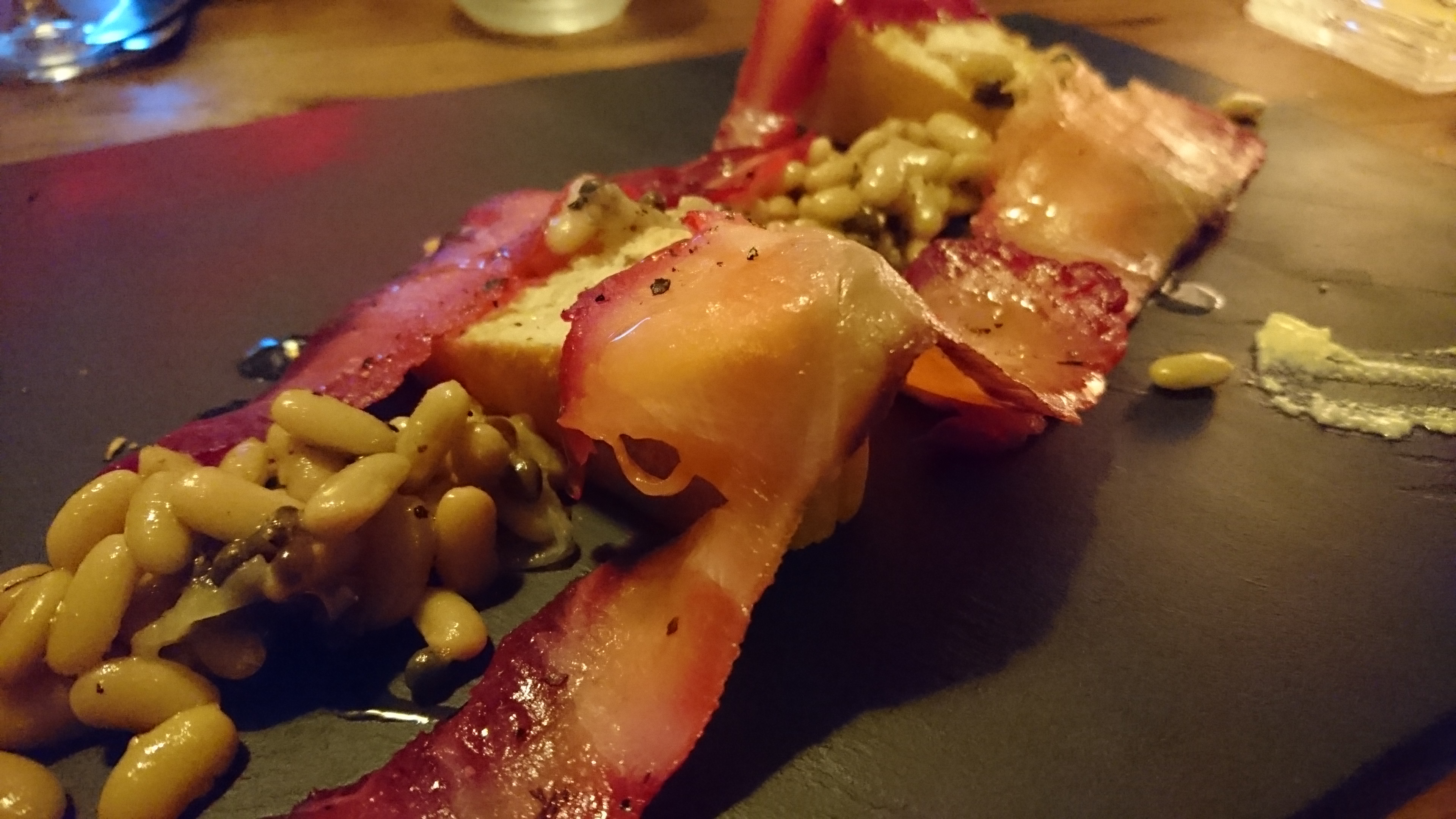
So, returning as planned, I readied myself for a superlative gastronomic journey. Having chosen a suitable outdoor seat and not wanting to waste a second, I ordered the sumptuous Seafood Platter whilst imbibing a glass of Cannonau, which had been poured into my beckoning glass. Cannonau is full bodied, luscious, bursting with mouth watering flavours and is undoubtedly the signature red on the island. I can now see why it is on sale at so many different restaurants, and it won’t cost you the earth either.

Chatting to the two waitresses at Ciccimonelli, one of them told me that she was earning money and wanted to get off the island to explore, study and work either on mainland Italy, Europe or somewhere around the world, because there is nothing really on Sardinia in terms of meaningful work. I began to understand that Sardinia may not be where the younger generation wants to remain long term, and I suspect that for these locals, the island could be viewed as geographically claustrophobic and limited in terms of opportunity.

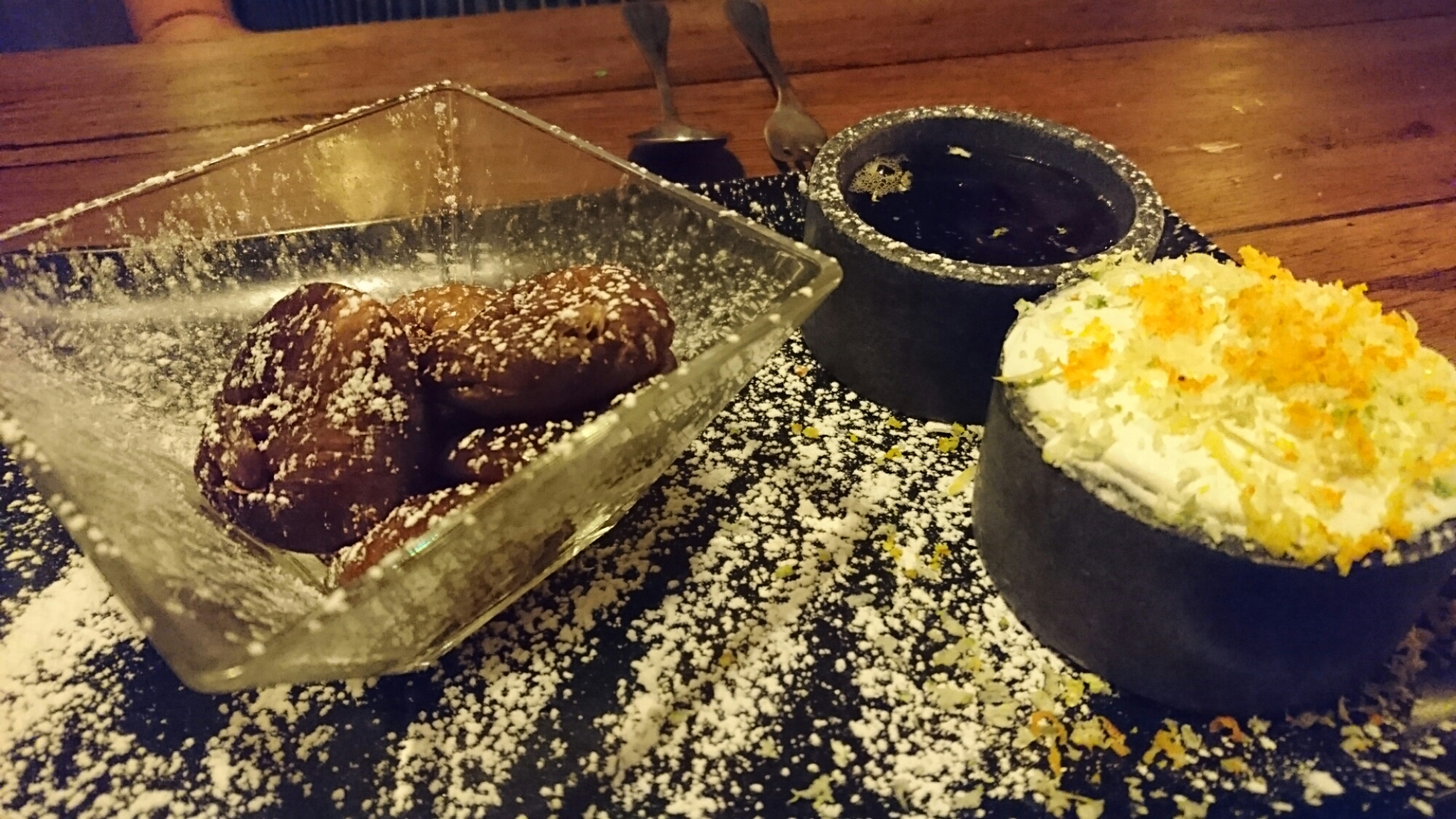
Anyway, having quaffed and very much enjoyed my generous glass of Cannonau, this was followed by an aromatic Oristano, which was very golden in appearance like a dessert wine, but dry in taste. I sampled numerous wines during the evening, and each one was unpacked and explained to me very informatively. The two young women served me very ably and professionally and were obviously very well informed having been trained well by the restaurant owner I would imagine. The whole evening felt stylish and professional, and the evening concluded with a dessert wine to compliment the final, inevitable course on the menu.

My evening of quiet contemplation and enjoyment was then interrupted by the unpredictable Mediterranean weather, as lightning suddenly flashed across the night sky accompanied by a deep and ominous rumble of thunder. Two guys who were also eating outside then rushed into the restaurant to avoid the deluge of rain now falling from the sky. Having been to India numerous times, the ferocious downpour was slightly reminiscent of many monsoons I have witnessed over the years.

Almost immediately, the air began cooling, and rivulets of water washed down over the cobbled street from the persistent, heavy rain. I was sat under a huge umbrella and was enjoying being splashed gently by rain. The waitress asked me if I wanted to go inside too but I declined as I was still very much enjoying the alfresco dining experience, savouring delicious food eaten in the rain, albeit under a large canopy.

I eventually retired to the inside of Enoteca Ciccimonelli and ordered another drink. The shop was a veritable Aladdin’s cave, selling lots of lovely produce, including some locally made nougat! Well, I bought a delicious chunk of that, and having paid my bill, I left. When I got back to my apartment, I tore off the wrapper, and I was not disappointed with my local sweet treat.

In summary, Enoteca Ciccimonelli was a fabulous dining experience, and I would 100% recommend it. You will enjoy fabulous, local produce and receive the highest standards of service, and you really can’t ask for more than that, can you?
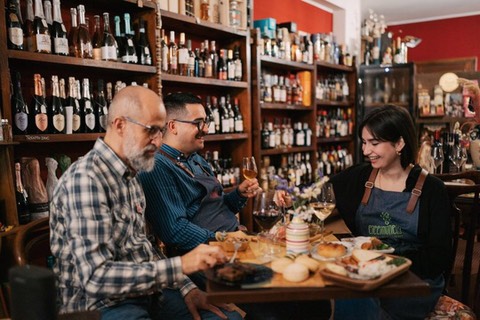
***All photos, except main header, courtesy of Enoteca Ciccimonelli***
Carbonia – Iglesias Part 3

Destinations, Italy, Travel

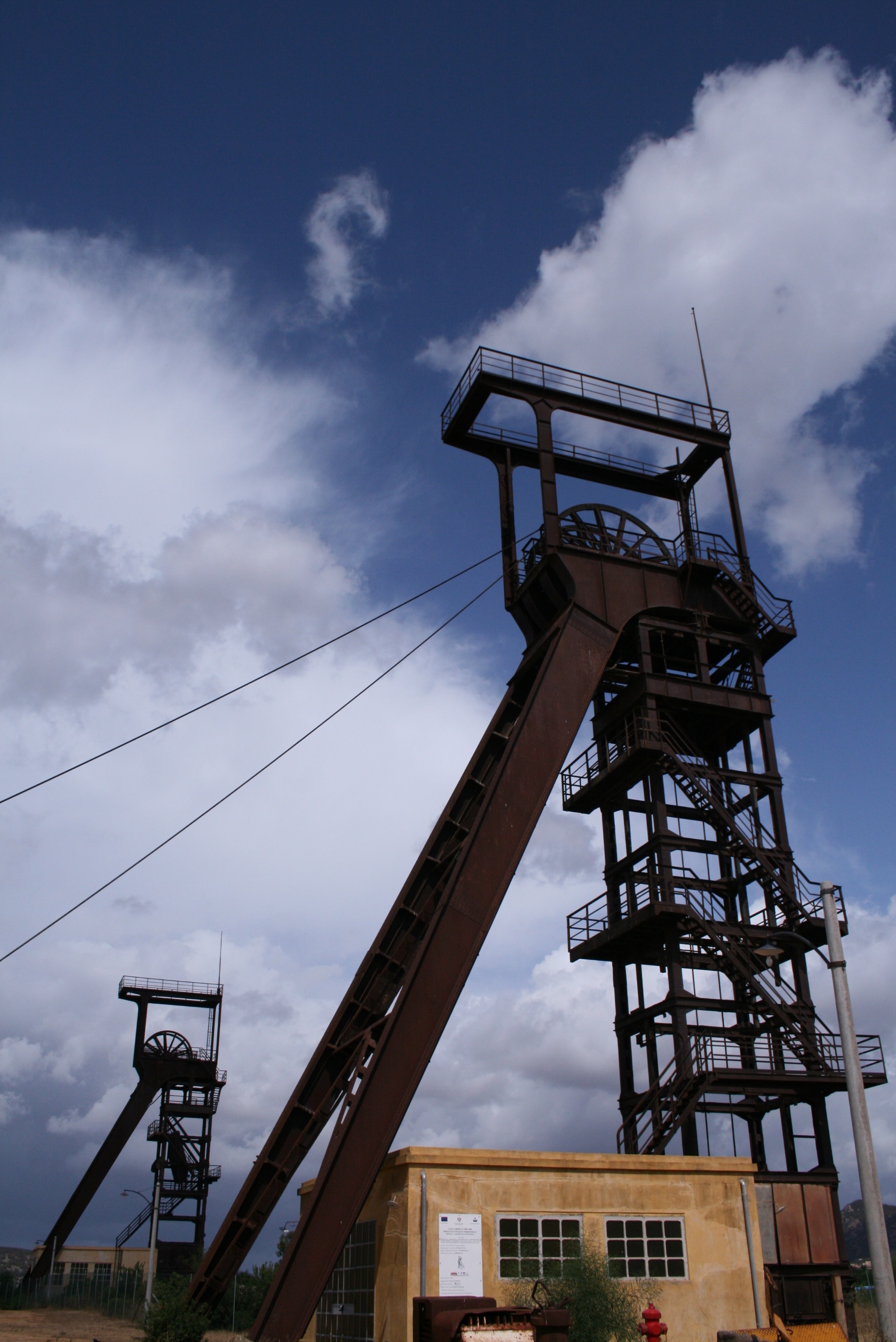
Marco, from the local tourism office, picked me up for the half-day car tour and heading southwest out of Iglesias, we drove towards Carbonia. As the beautiful and evocative landscape passed by my window, I listened to and imbibed his immense knowledge of the area. The Province of Carbonia-Iglesias in Southern Sardinia has a long history of mining which was very evident, as I had already seen the disused mining foundry on the outskirts of Iglesias, and now the empty and desolate mining complex at Monteponi. Finally arriving at our destination, I anticipated an interesting an informative morning, discovering more of this region’s rich history and cultural heritage.

Walking into the reception area, I discovered that Loredana was our guide for the morning. She was friendly and sparkling, and welcoming both Marco and I, made us feel right at home. We then joined with a large & excited party of Spanish students who were clearly enjoying themselves with this extra curricular learning opportunity, so Loredana spoke in English for them and for me, which was immensely helpful.

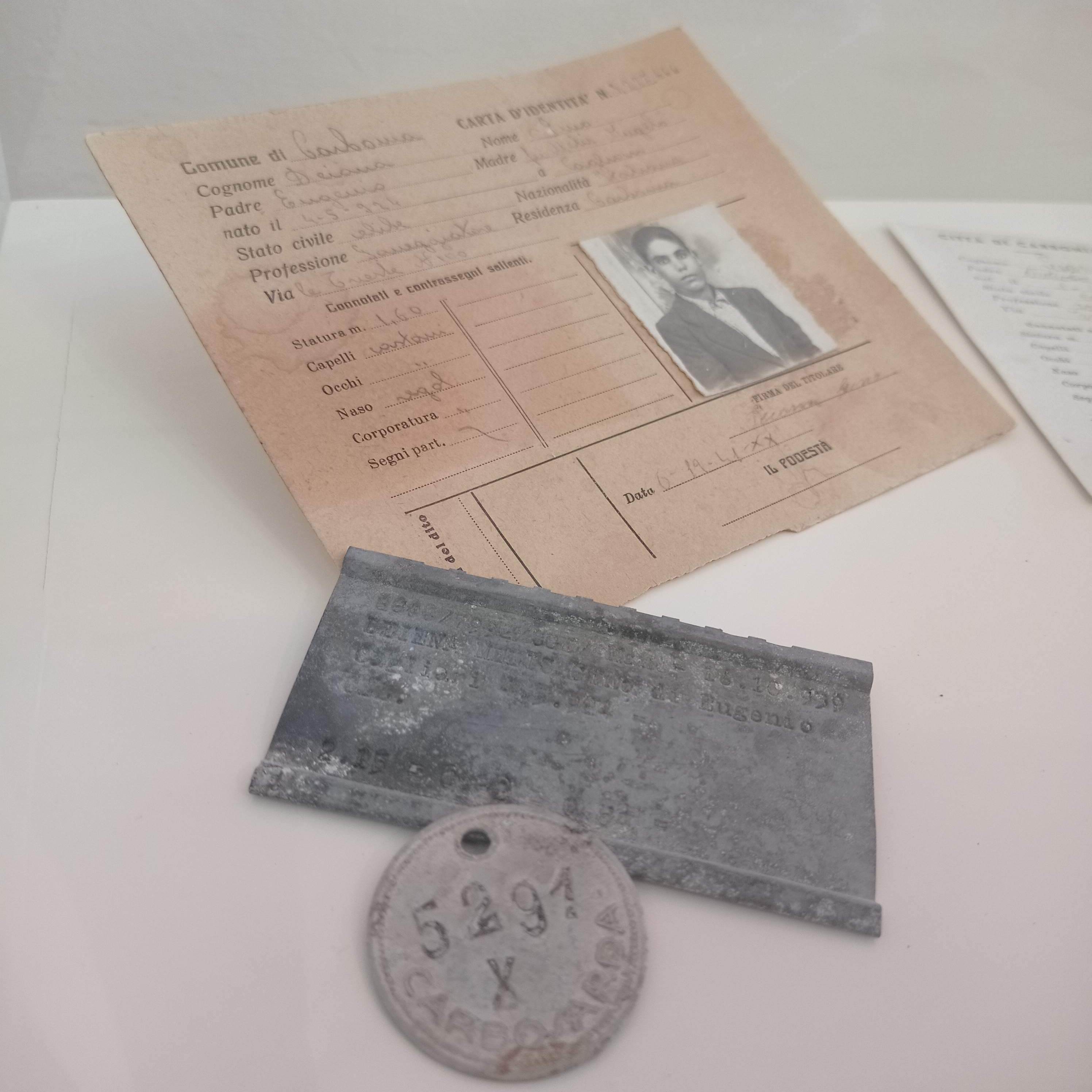
It was fascinating to learn about the town of Carbonia and how it had been built in the 1930’s by Mussolini, becoming active in 1937. Carbonia had been advertised and ‘sold’ in this way: The Italian people were called to come and work in the coal mine and Carbonia itself, in return for houses, jobs, amenities, a nice life and of course, money. Settling into their new environment, the inaugural citizens soon found they were giving a lot of their wages away in rent, fees and as a result, were paying for the upkeep of the new town. The Carbonians were not able to save because of the sheer cost of living, and weren’t very secure, financially.

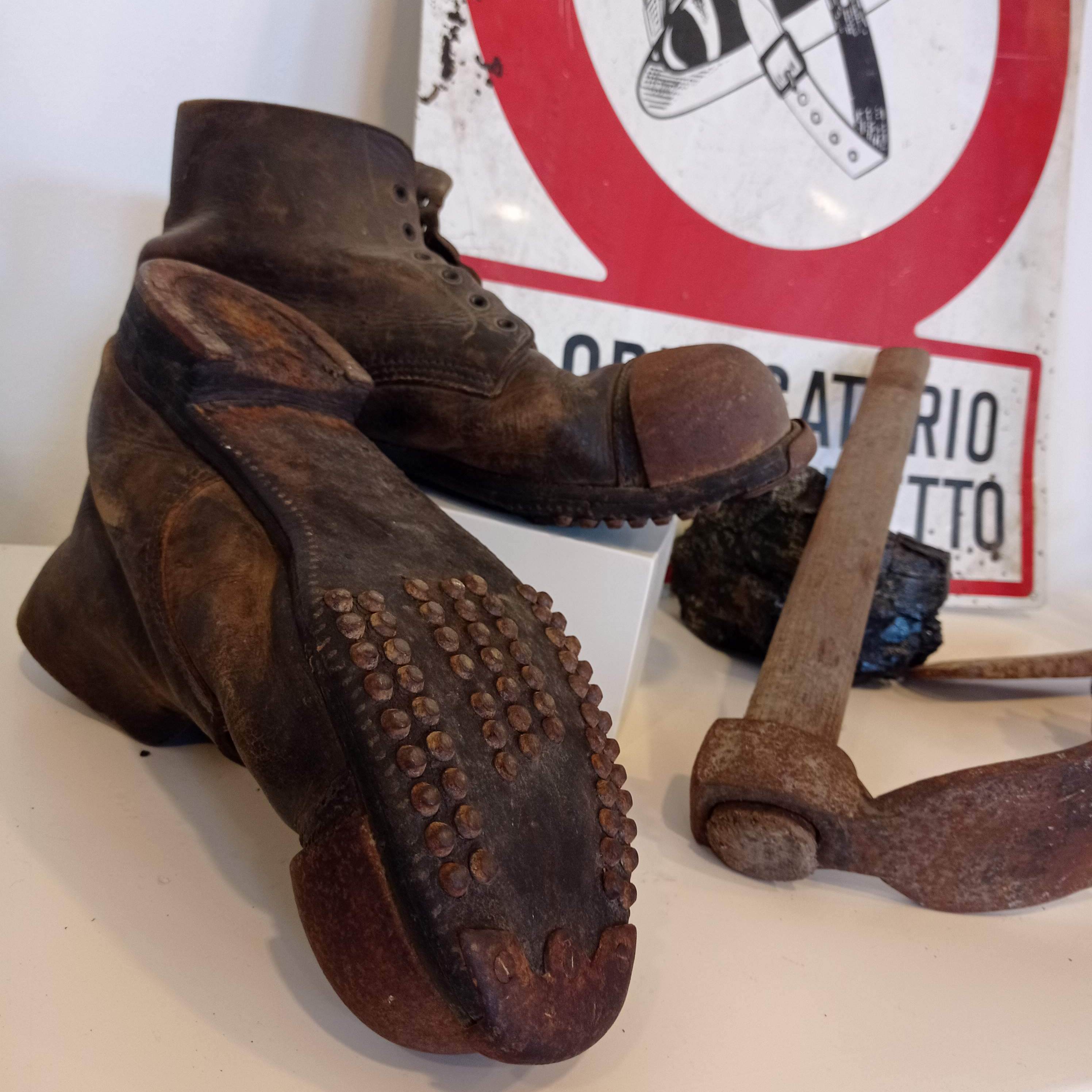
And of course, there were the mining conditions, as the miners were working underground for 16 hours a day. It is hard to imagine in this day and age being underground for all of that time. Loredana told us that the new miners were becoming photo sensitive because they were in there in the dark for so long, and with all the dust and working conditions, it was not good at all. Carbonia wasn’t quite the ‘El Dorado’ that the new citizens had been led to believe. Our guide for the morning portrayed the story of Carbonia very vividly.

After I had told Loredana where I was from, she informed Marco and I that she had previously come to my home city of Bristol, purely to see the various Banksy pictures dotted here and there around the city. Relaying her own story of being a tourist, Loredana had found the city a really hip, enjoyable place to be, and did mention a particular Banksy picture which, if I understood her correctly, is his salute to the Johannes Vermeer’s 1665 painting, the ‘Girl with a Pearl Earring.’ His nod to the famous Dutch painter is tucked away on a wall in the Albion Dockyard on Hanover Place, which I realised that I have walked past on several occasions but have never noticed. Shame on me, but I will remedy this next time I visit the harbour area.

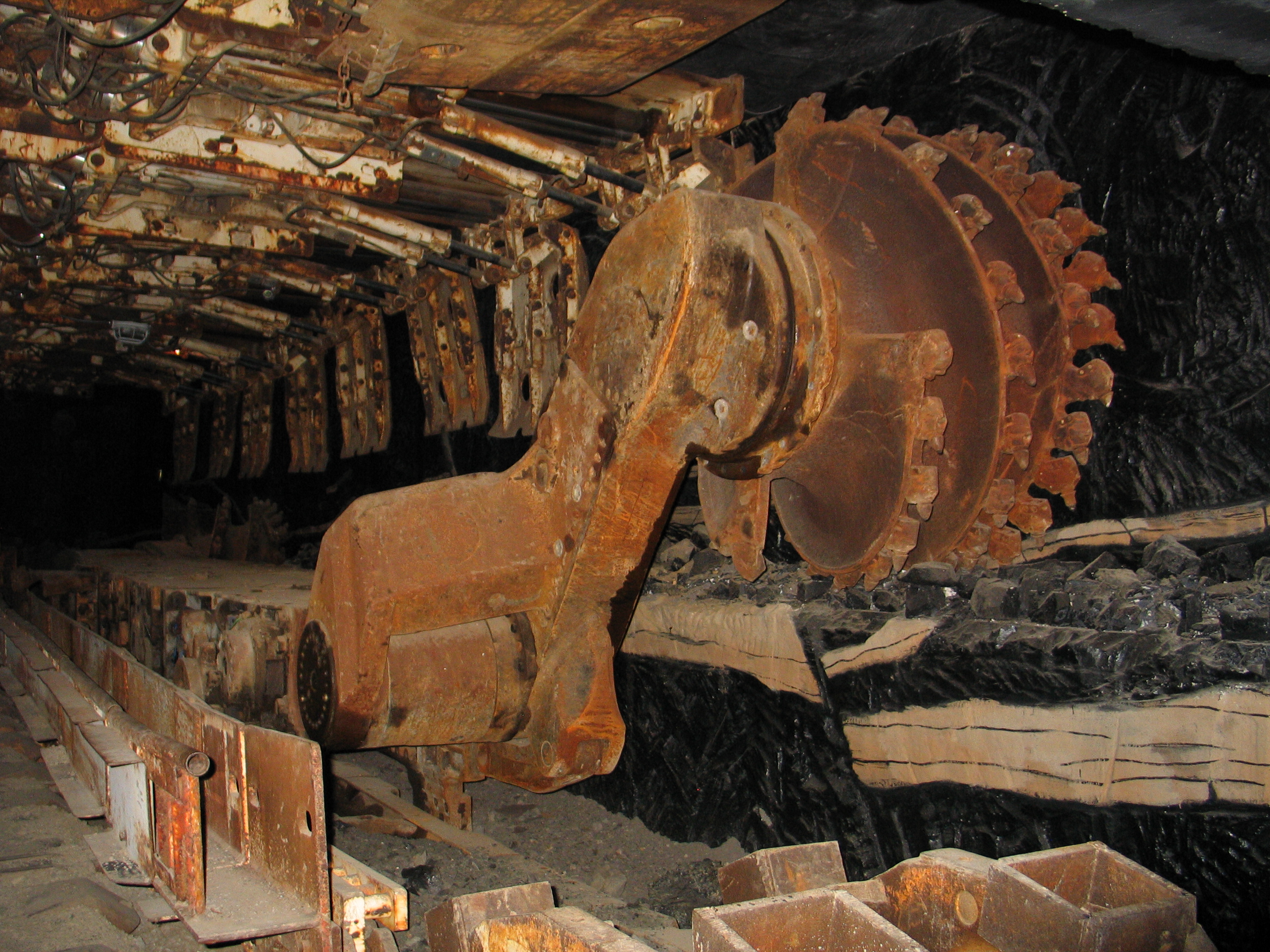
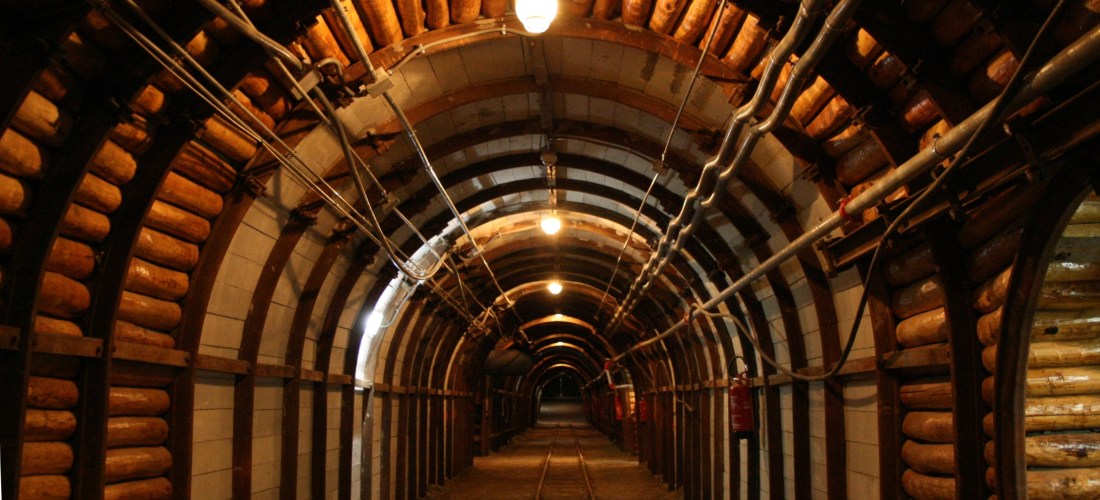
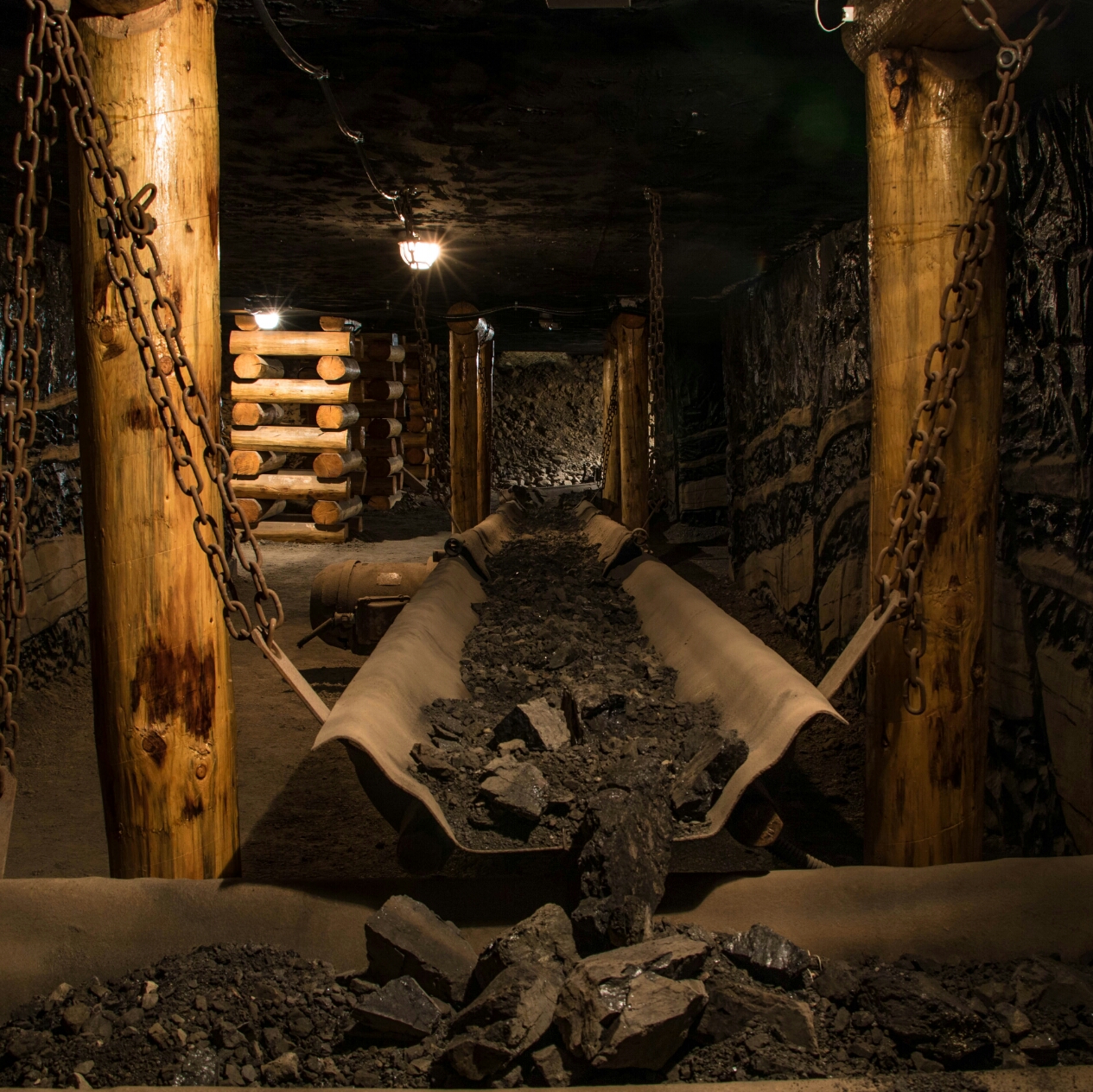
Loredana led us underground and we had a chance to explore the mine shafts or galleries (tunnels), examining several types of mining and excavation equipment. Notably, there was the ferocious and powerful looking continuous miner that tore coal straight off the coalface and fed it back onto a travelator / conveyor belt. The rock laden belt would then empty into an open mineral wagon, and off it would go, transported by the system of railways that had been purposely constructed for the speedy evacuation of the precious coal.

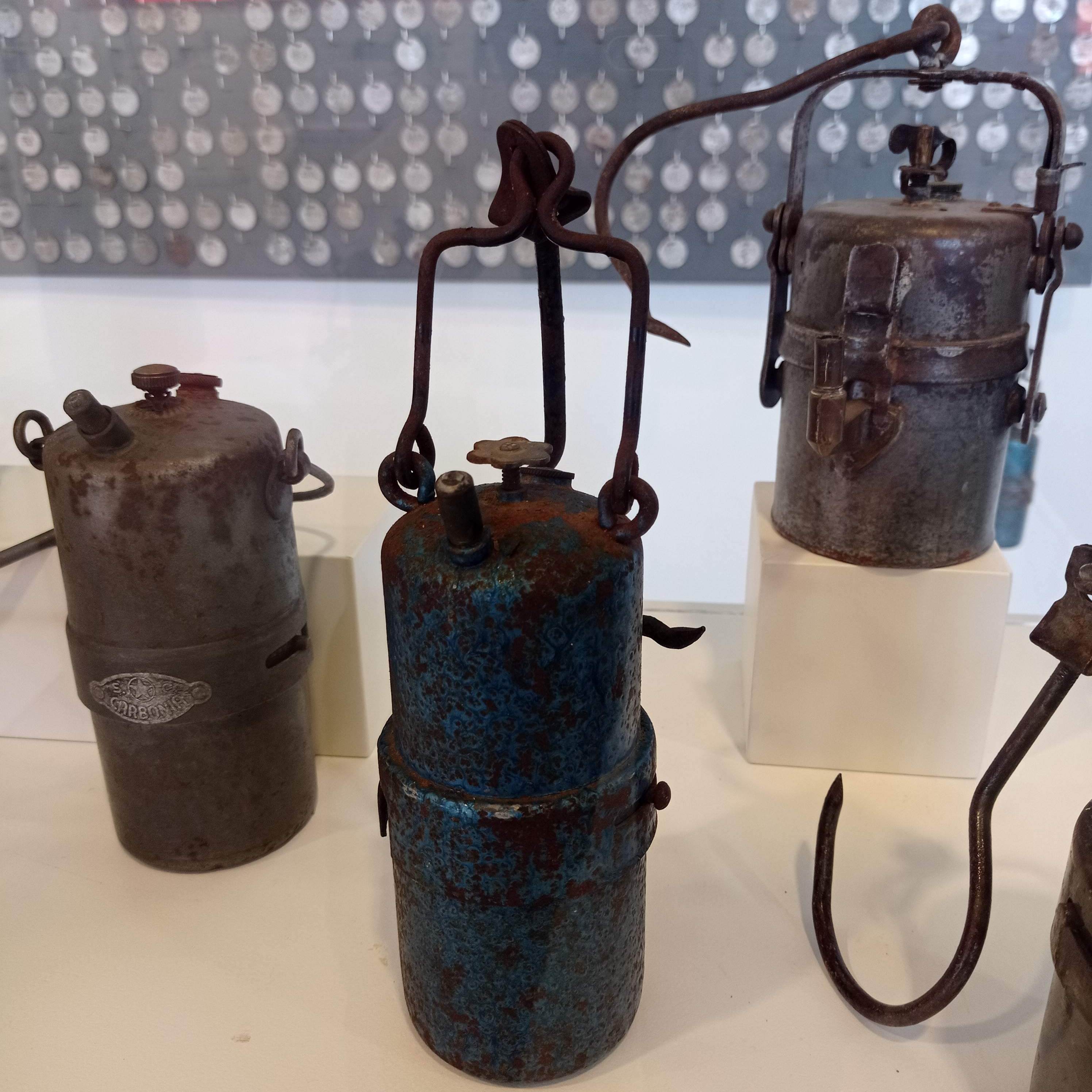
The maze of galleries (tunnels) was like an underground factory, and we were even shown the miners toilet, but I can’t remember how that worked exactly and wondered where it was emptied. It’s truly amazing the things that you consider! There were also hydraulic ramps, pistons and cantilevers reassuringly keeping the roof up because of the immense weight above our heads. Having little or no previous exposure to the workings of a coal mine, it was interesting exploring underground and seeing what life would have been like for the men that worked in those challenging and cramped conditions.

Underground Cutting Tool

Typically, I managed to lose my sunglasses. They were hanging off my shorts pocket as I had walked back into the reception area, but later, I couldn’t find them. Loredana, who was always the very caring host, saw my obvious displeasure and asked me what was wrong. I confessed my temporary senility and told her that had I lost my sunglasses, but no sooner had I spoken the words out loud, one of the young Spanish students (God bless her), produced them from her bag and said she had found them. That was exceedingly kind, and a minor inconvenience was subsequently averted!

Saying our goodbyes to Loredana, we left Carbonia, heading southwest towards the island of Sant’Antioco and its town of the same name. I confess when Marco had initially proposed a visit to the mining complex and museum, I wasn’t entirely sure how engaging it would be. However, I am pleased to report that it was very much a worthwhile visit, and I was grateful that he included it in our itinerary for the morning. If you should find yourself in Carbonia-Iglesias, I encourage you to do the same.

*All images courtesy of the Coal Museum, CICC Italian Coal Culture Centre, Great Mine of Serbariu, 09013 Carbonia SU

Three Wise Men – Iglesias Part 2

Destinations, Food, Italy, Travel

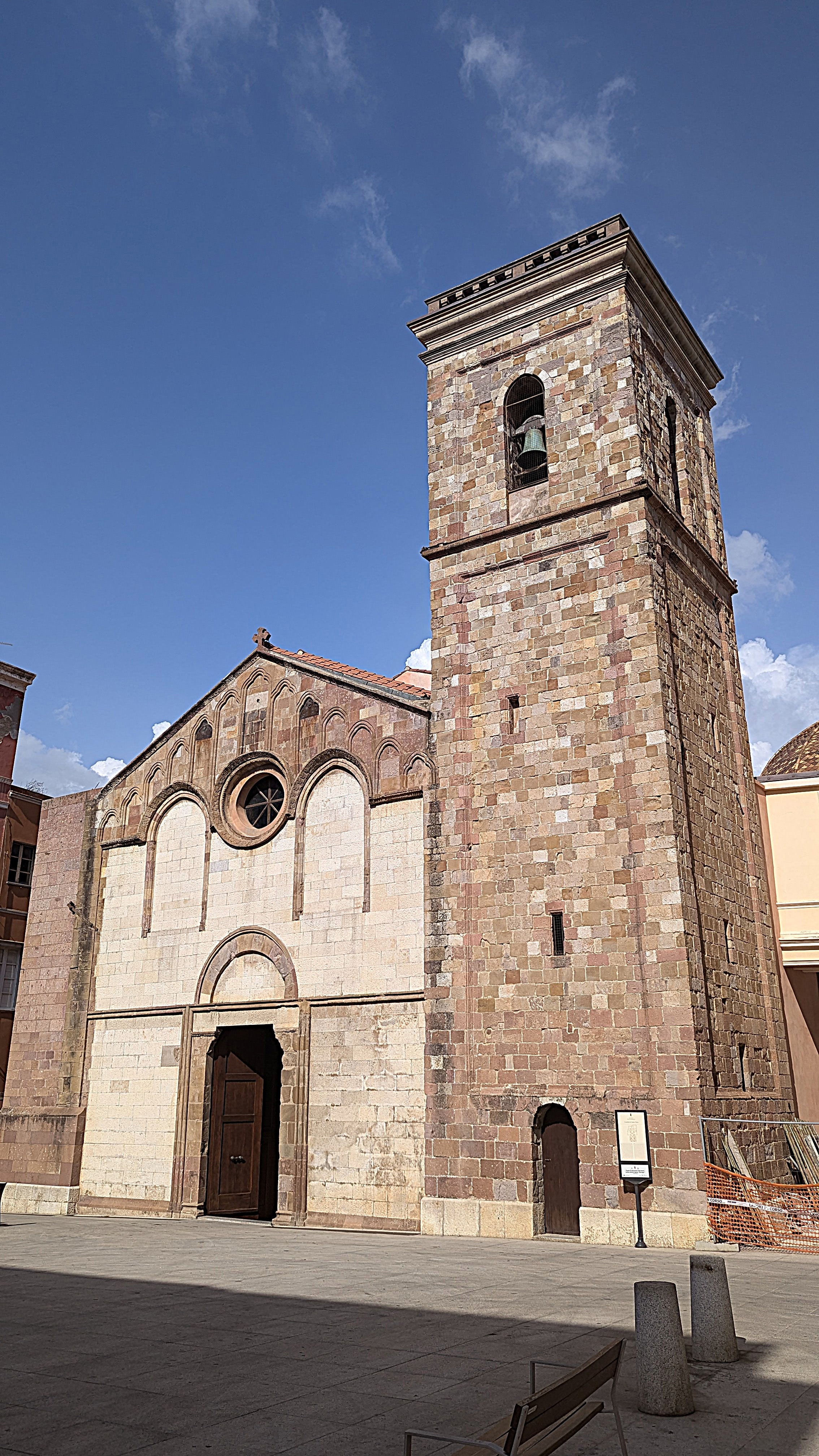
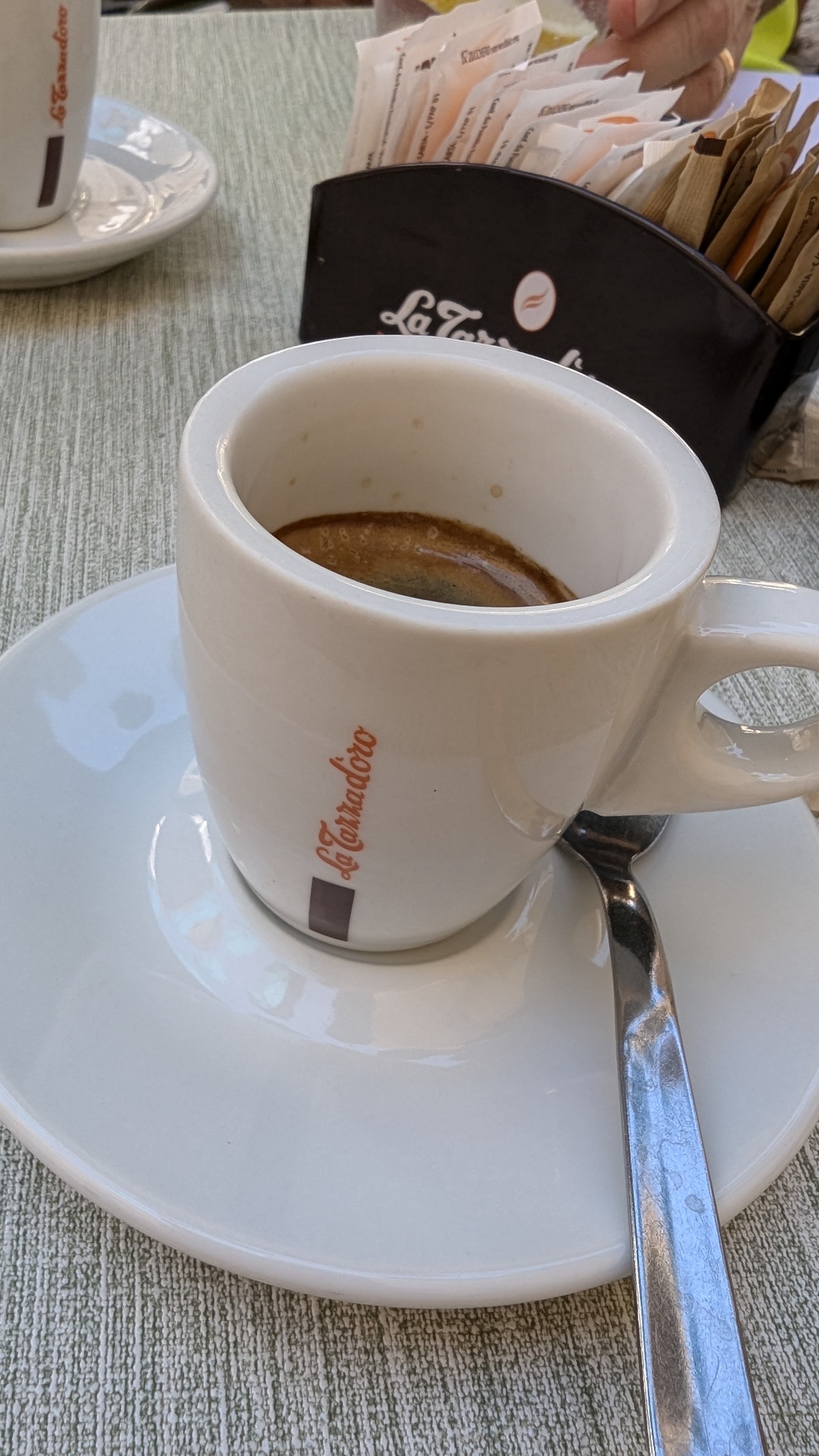
My morning started at the excellent Modigliani Art Caffè on Piazza Municipio. Breakfast was provided here every day I was staying at the accommodation and consisted of a black coffee (or whatever form your preferred shot of caffeine takes), accompanied by a delicious, sweet pastry. The cafe looks across the square to the Cattedrale di Santa Chiara d’Assisi (Cathedral of Saint Claire of Assisi), and I admired and observed this beautiful and historic place of worship, looking resplendent in red and creamy coloured stone. There was something very enjoyable about sitting outside in the Sardinian sun, and sipping a gently steaming, aromatic coffee as the temperature started climbing towards the expected mid 30’s that were forecast for that day.

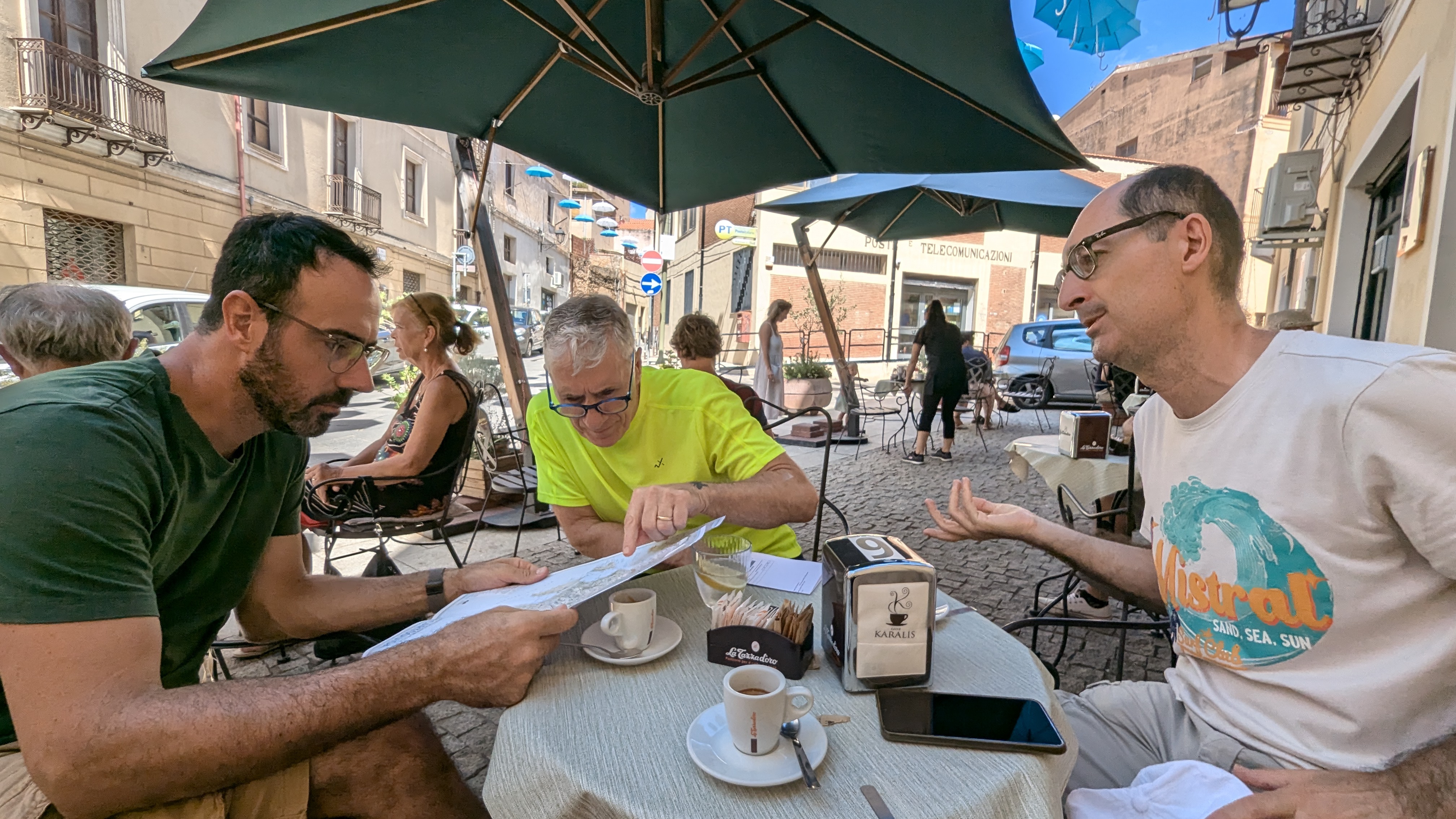
Luciano, my accommodation host, owns a number of properties in the town, including a clothing store on the Piazza Lamarmora, which his wife Becky manages. Meeting me for coffee outside the Cathedral, he showed me around Iglesias including a much-needed stop at the local tourist office. I was extremely glad to report that, both the lady behind the counter and a helpful chap called Marco both spoke English very well. Before you lambast me for not making more effort to learn the beautiful Italian language, or for that matter, Sardinian (also known as Sardo) I did make a feeble attempt using a very well-known language app on my phone, but it was clearly too little, too late. Sigh, story of my life. I continue to be grateful for technology and well-educated Europeans.

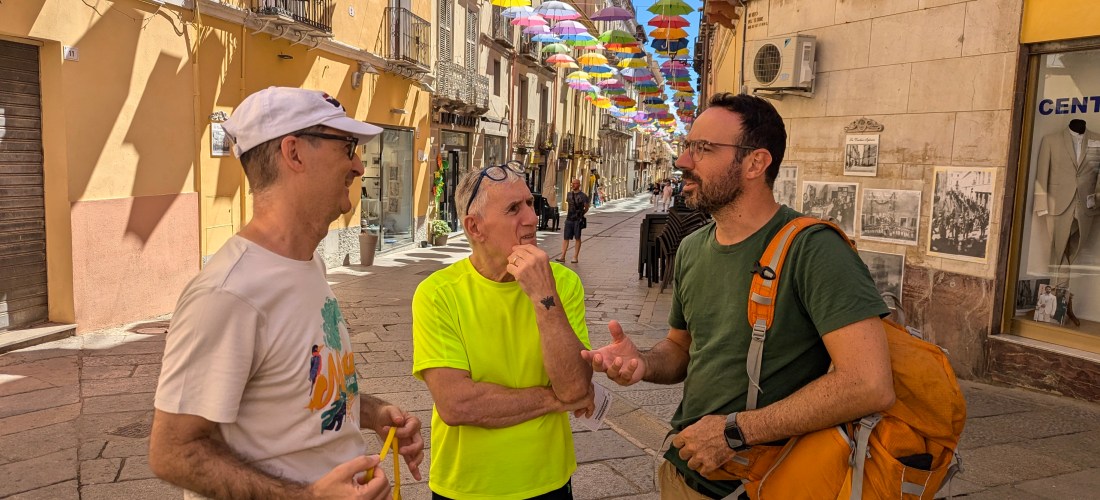
However, in no time at all, my travel plans and aspirations were starting to take shape as I joined a walking tour later that week, with Marco and a guy called Samuele who was from the Italian mainland. We strolled around Iglesias in a very relaxed fashion. This charming town is a very pleasant collection of pretty piazzas, narrow streets and lanes, a number of churches (Iglesias actually means ‘Churches’) and plenty of places to eat and drink. The most notable feature are the multi coloured umbrellas, hung over every main street around the centre of Iglesias, with assorted colours representing different districts of the town. It really is quite an enchanting sight.

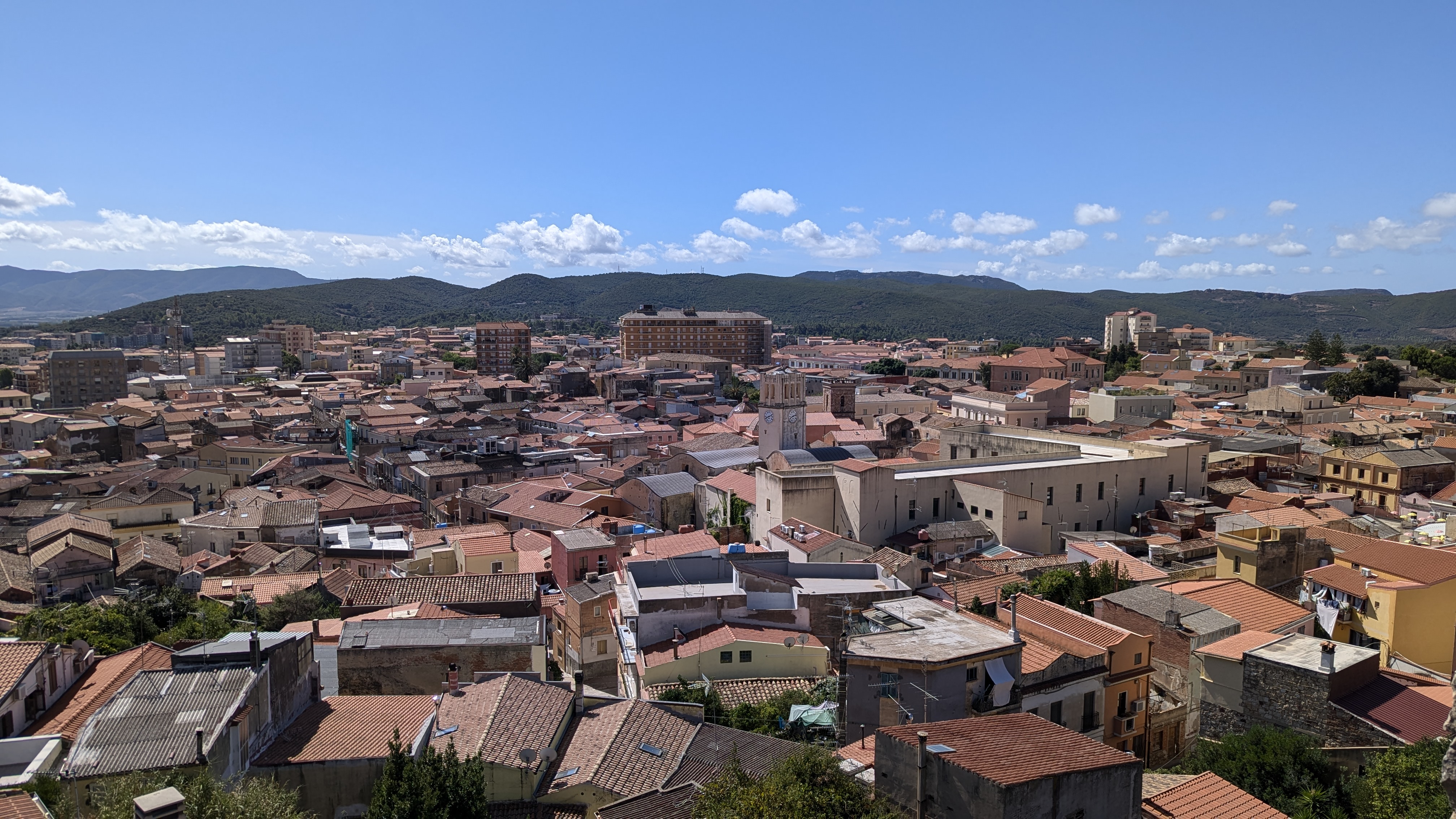
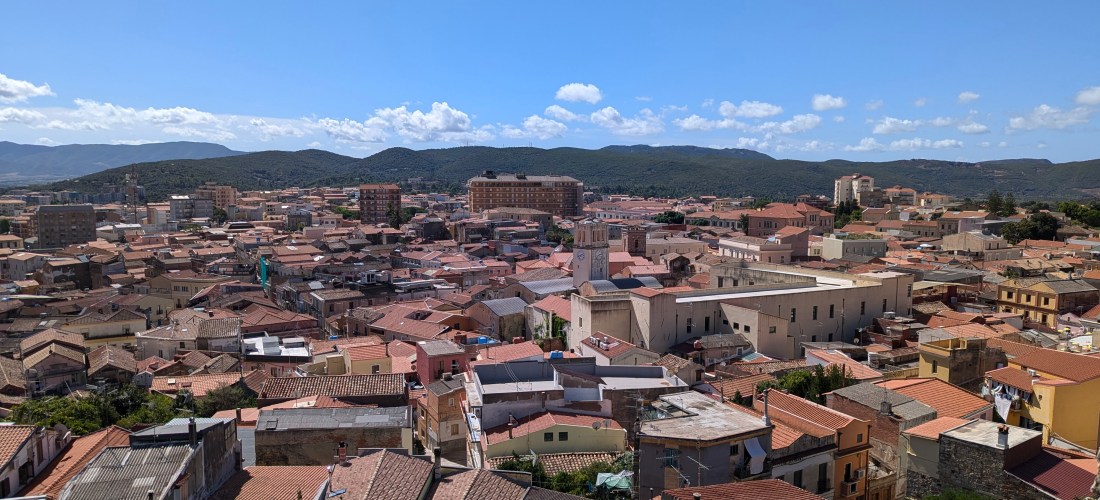
The tour culminated with a brief ascent of the Torre Guelfa di Iglesias (Guelfa Tower), which commands impressive views over the town. A panorama of red roofed dwellings stretched out before us, including some social housing as well, and the now disused mining complex on the hills was clearly visible in the distance. Interestingly, Marco explained that the foundry was actually inside the hills, and they would vent the mine with various shafts and silos to allow the steam and the smoke to escape. However, there is no mining industry associated with Iglesias any longer.

Samuele and Marco would intermittently converse in English to include me, before lapsing back into the sweet chatter of Italian. Samuele was from Riva del Garda, in the Northern Alps but was now living and working in Turin in Piemonte. He told me that he had met an amazing girl in Turin who was from Iglesias, and he wanted to see what the town was like for himself. Well, I wasn’t surprised as Iglesias appeared to be replete with raven-haired, olive-skinned beauties. I considered the things we do for love, but Samuele’s story of his own Sardinian odyssey sounded like as good a reason as any to embark upon such a journey, and as a solo traveller, I was glad to make new friend.

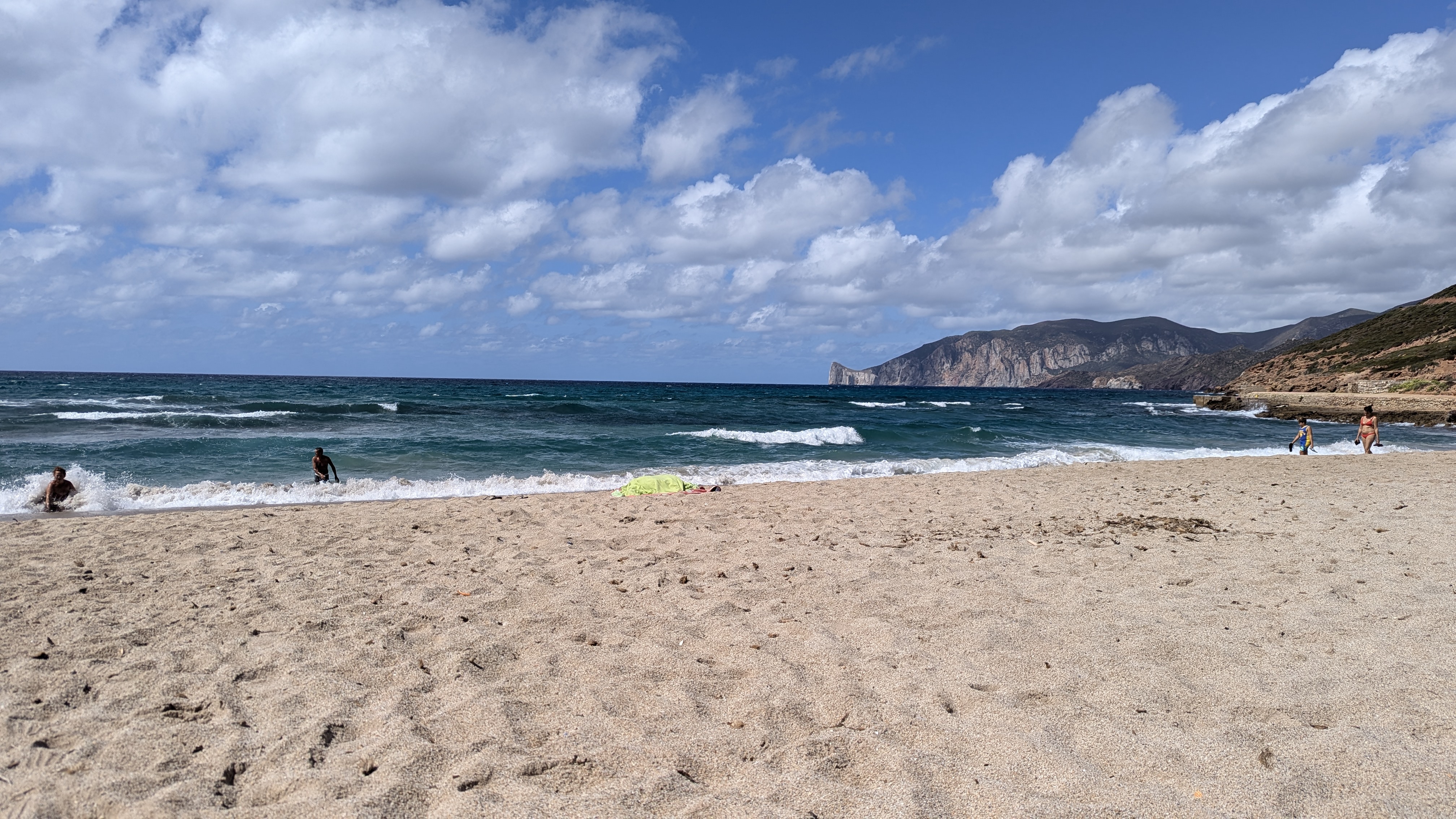
As the blistering sun rose high in the sky, lunchtime inevitably beckoned, and we soon met with Luciano for yet more coffee, comparing notes and engaging in friendly chatter. After we had swapped WhatsApp numbers, Samuele later gave me a lift to Fontanamare Beach in a car he had borrowed from his brother or his friend, I can’t remember which. I was certainly glad to have gotten to know these three wise men though, all of whom had been so friendly and helpful and had much enhanced my trip  to this fascinating island in the Tyrrhenian Sea. But, I have much more to write about, so until then… ciao.

Samuele, Luciano and Marco

Iglesias, Sardinia – Part 1

Destinations, Food, Italy, Travel

In the southwestern corner of the second-largest island in the Mediterranean, lies the town of Iglesias. The Island I am referring to is of course, Sardinia, directly south of Corsica and a few clicks northwest of Sicily. I’m betting you’ve never heard of Iglesias, and to be completely frank, neither had I until last summer. However, I have longed for many years to visit this glistening jewel in the Tyrrhenian Sea, and keen as I was for a break from work, I happened upon some very attractive and reasonable accommodation and booked it.

Emerging from Cagliari Airport, it was a very short walk to the nearby railway station where I waited patiently for my transport to Iglesias and what would be my home for the next 10 days. After a swift, nighttime journey across the island, my host Luciano and his wife Becky, were dutifully waiting for me at the small station where we both discovered that I could not speak Italian and they could not speak English. What to do? Well, it was Google Translate to the rescue, and before we knew it, literally nothing was lost in translation. Such is the modern techy world we now inhabit.

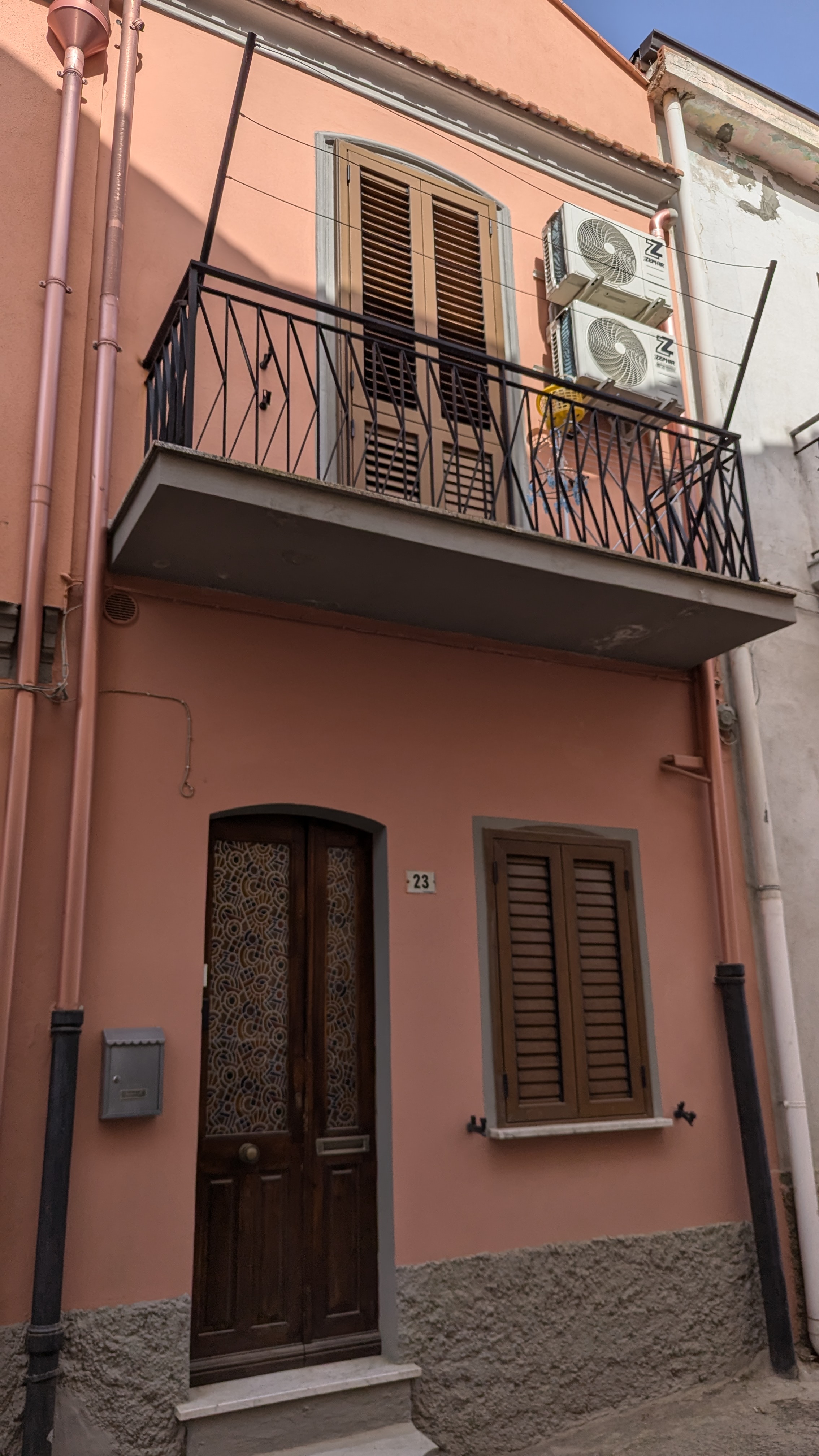
I was given a whistle stop tour of my lovely accommodation with a rapid explanation of the functionality of various devices, most notably, the air conditioning and the coffee maker. Then, late as it was, we made the short walk into the centre of Iglesias and stopped at a busy gastropub called Birroteca Fermentazioni Spontanee (Brewery Spontaneous Fermentations) on Via Cagliari. Luciano, having gone over and above the call of duty, left me in peace to savour the atmosphere and excitement of my new environment.

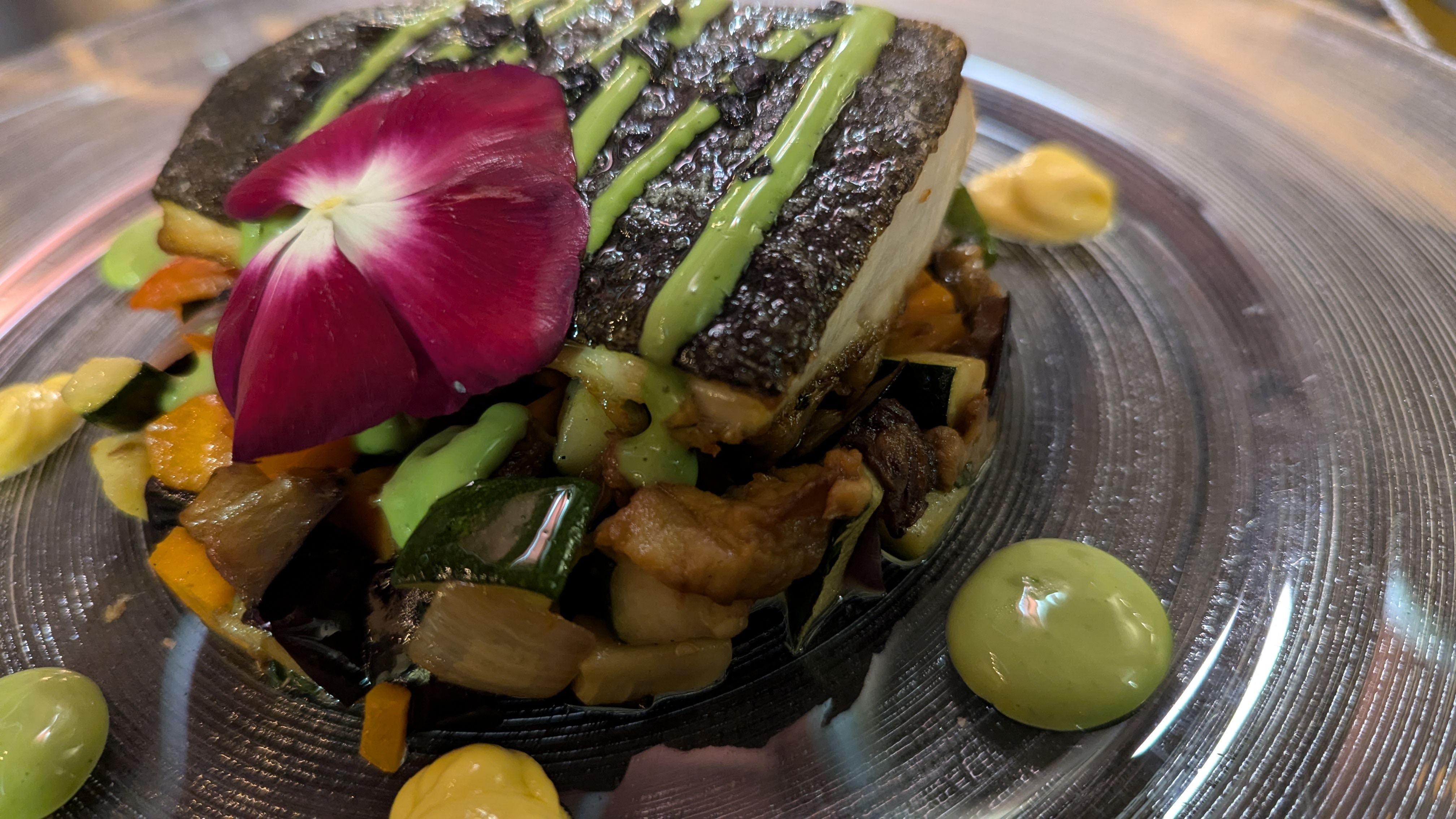
Sumptuous Amberjack Steak

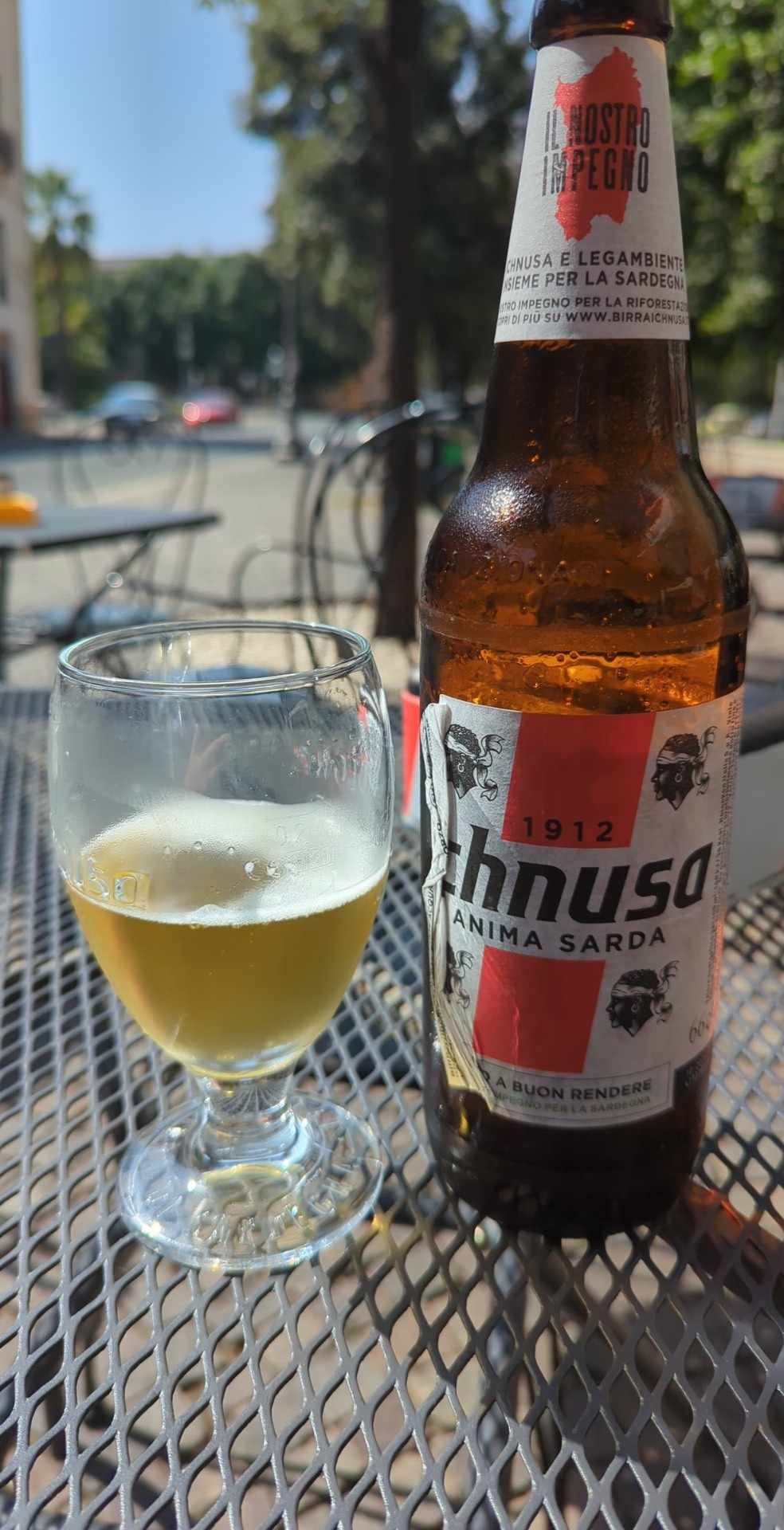
My menu choice for the evening was an immaculately presented and sumptuously tasting amberjack steak, washed down with a local beer (well it was hot, with day time temperatures regularly reaching mid 30’s), and by then I was very thirsty after all my travelling endeavours for the day that had begun many hours previous in Clifton, Bristol. I had a strong sense that I was going to really enjoy myself here in the hitherto unknown town of Iglesias. Tune in for the next episode, as they say…

Pappardelle’s, Arundel.

Blog, Food

DSC_0408

If you ever find yourself in historic and beautiful Arundel, at the bottom of the main street on the right, you will discover not one but two Italian restaurants. In fact, two restaurants in one.

Now that I have sufficiently piqued your attention, I will explain. What you’ve got, rather cleverly, are two dining experiences under one roof. Bottom floor, you have ‘Osteria,’ which serves some Italian food and also some other non-Italian dining choices too.

Osteria is really just an Italian term for a restaurant that serves good food, beer and wine – slightly lower in the pecking order than a Ristorante or Trattoria.

Anyway having said all that, my friend and I proceeded upstairs to Pappardelle’s which is the proper Italian Ristorante side of the business. Here, we were welcomed by one Jan Marco of Genoa, Italy.

image

The evening commenced with the mandatory but altogether scrumptious ciabatta with olive oil and balsamic vinegar. This was followed by a simply stunning beet cured salmon, with capers, horseradish and ciabatta (again).

Having learnt from a recent trip to the Emilia Romagna region of Italy that Spaghetti Bolognese is not actually an authentic Italian dish, I ordered the more accurate Tagliatelle Bolognese – with lamb.

Spaghetti Bolognese is an adaption of the real thing which is only ever made with Tagliatelle and not spaghetti. It’s also a lot less tomato based than what we’re used too here in the UK.

Either way, the version I was served was delicious, and whilst not entirely accurate, was much closer to the Ragu I had eaten in Bologna. It looked amazing and was thoroughly satisfying.

Washed down with a carafe of house wine, a Barberra 2014 described in the menu as having juicy cherry and damson fruit flavours, I couldn’t have asked for more.

I was not disappointed in any way with the food, ambience or warm and friendly service, and will definitely be returning sometime soon.

wp-1466882773371.jpg

Waxy’s Little Sister

Blog, Travel

image

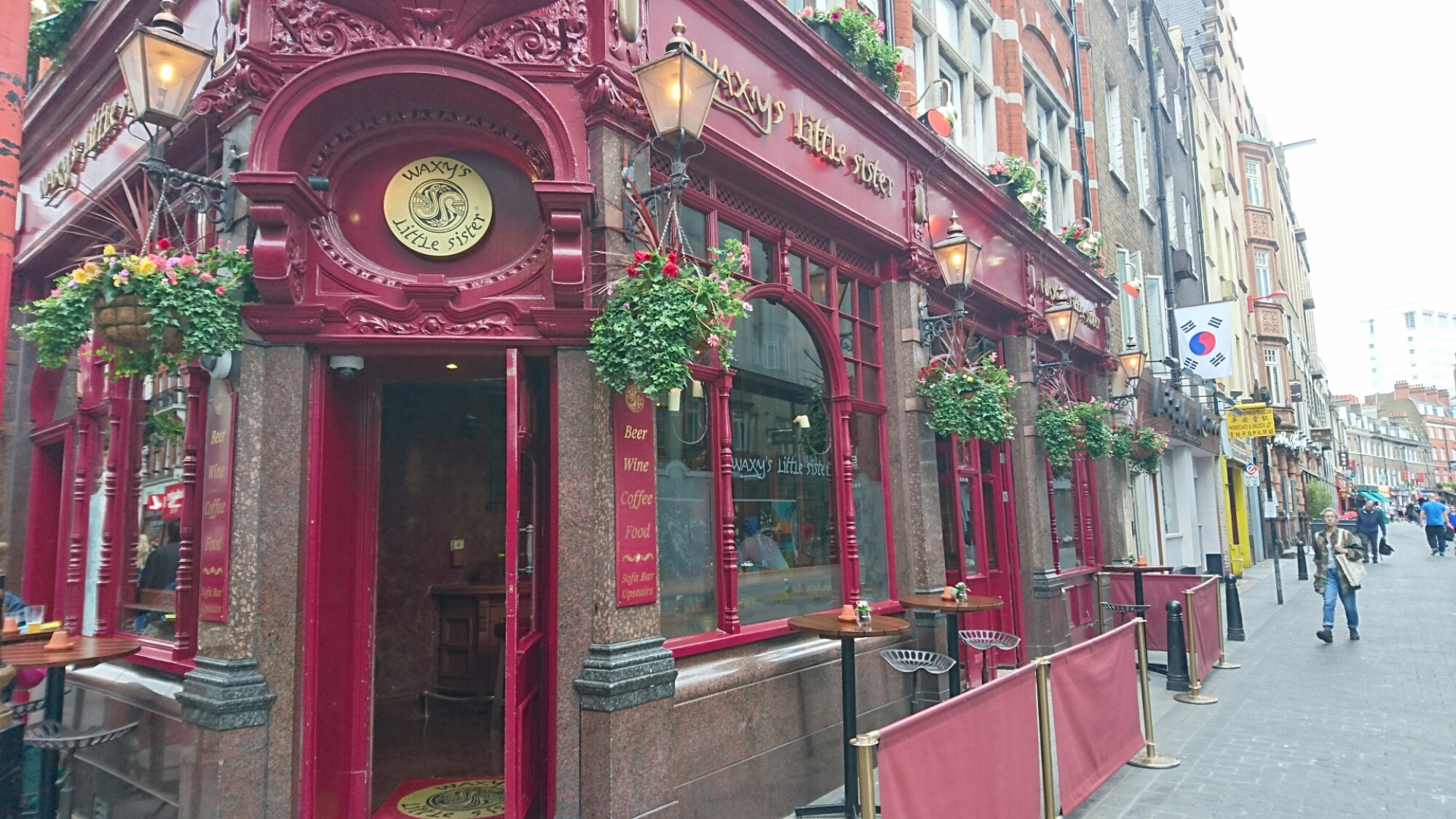
On the corner of both Lisle and Wardour Street in London, just tucked inside Chinatown, you will find Waxy’s Little Sister. And in case you were wondering, it’s an Irish pub.

A curious name I hear you cry! Well it refers to the Waxy O’Connor bar across the road – which I guess must be like the mothership.

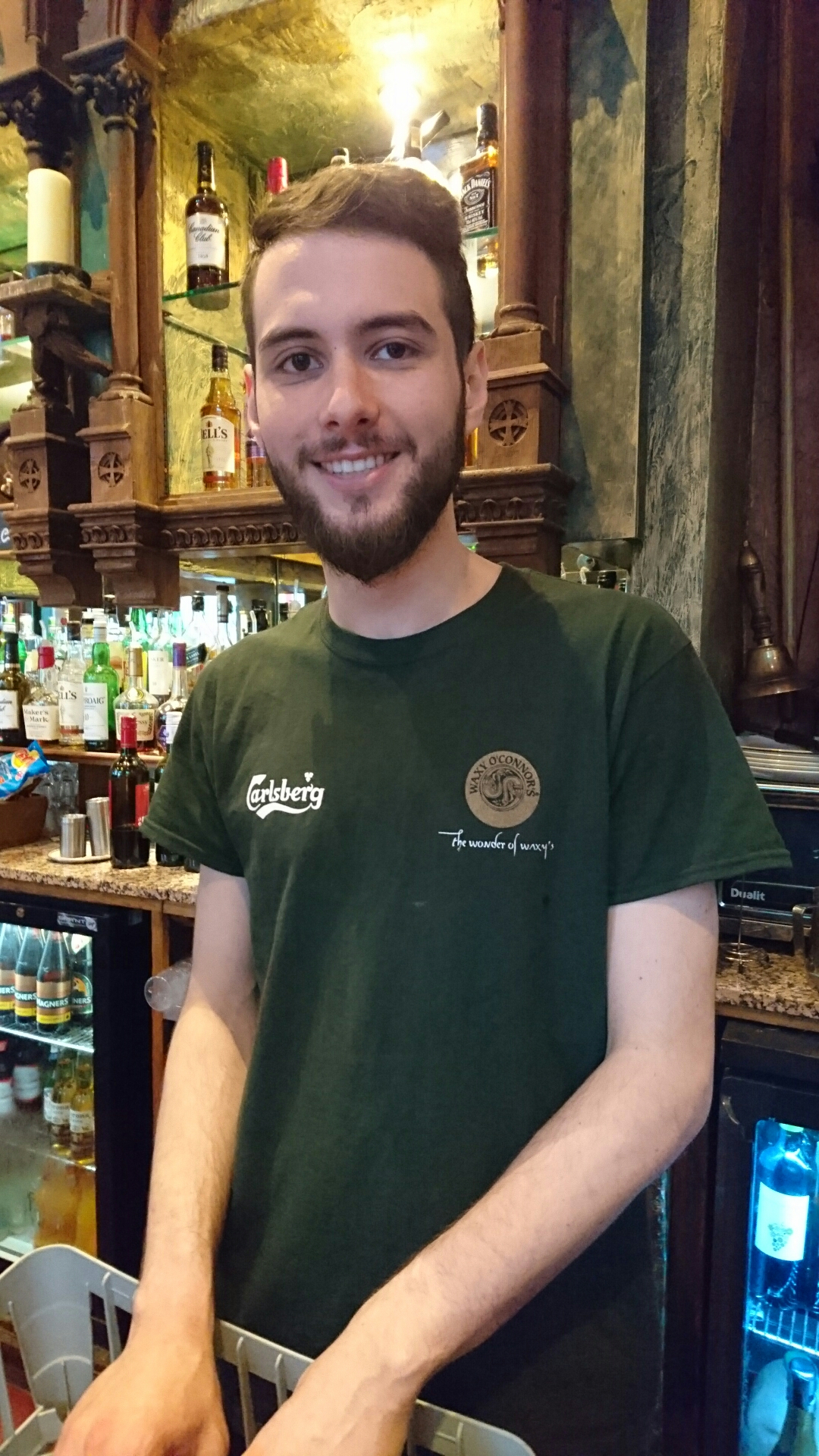
I soon got chatting to the Mirko the Italian barman. So now we have an Italian barman, working in an Irish pub, in Chinatown in London. Well London is one of the most cosmopolitan cities on the face of the earth. What else would you expect?

image

A good chat about all things Italian ensued as we discussed the culinary and otherwise delights of Emilia Romagna in the north of the country. Mirko himself hails from the lakes area near the Swiss border, but loves London.

You can’t keep a good man down though… After a brief spell in Italy at the end of the summer, he’ll be off to Paris. There are so many interesting people you can meet, if you just take as little time.

As I gazed outside at the myriads of tourists, workers and locals, once again the clouds shed their heavy load and a torrent of water from the skies poured downward. Well it is Britain isn’t it?

image

Like no place on Earth.

Blog

DSC_1341

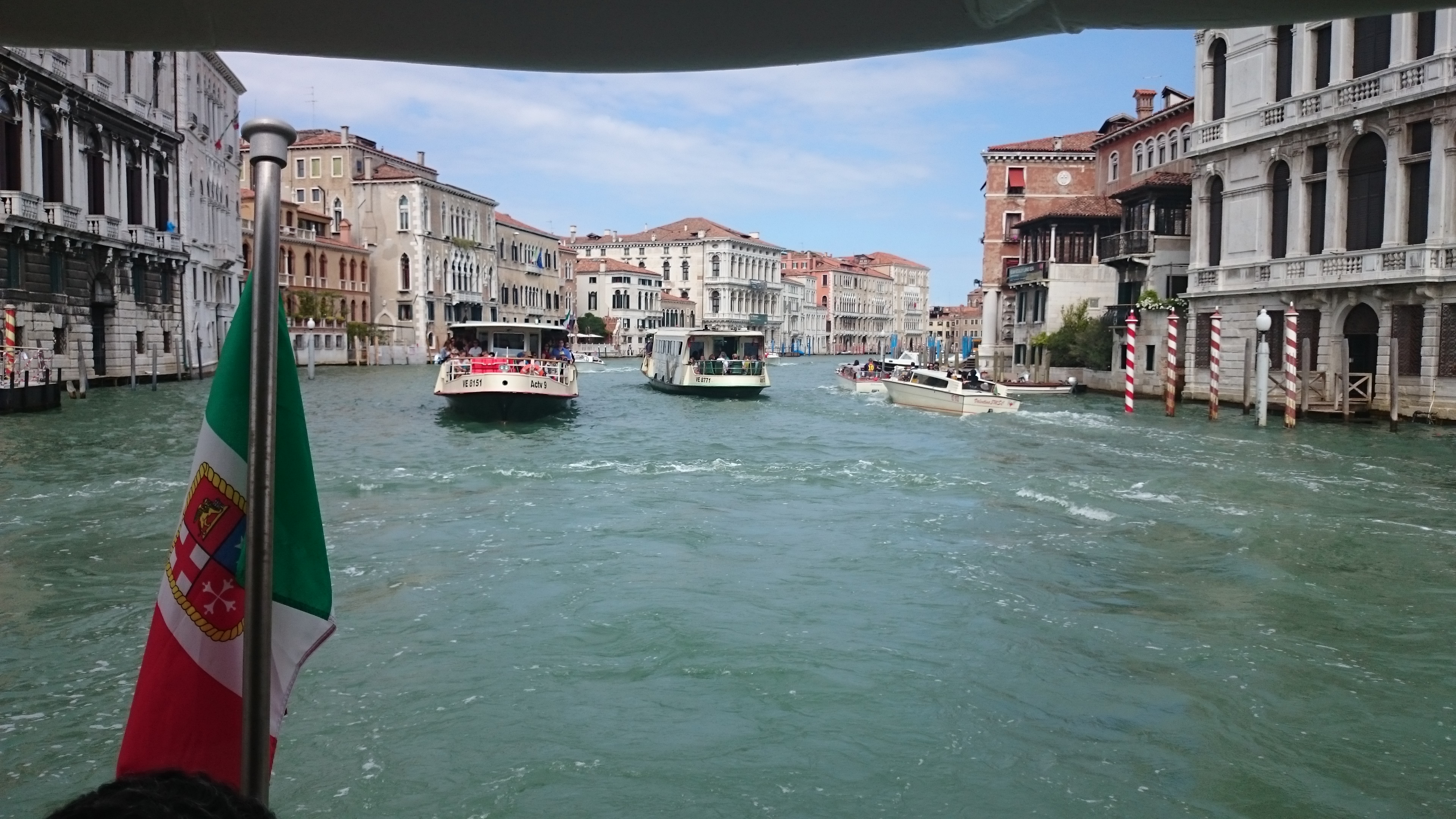
Venice. There’s simply no place on Earth like it, or at least no place like anywhere that I’ve been anyway. You can’t help but be wowed by this city on the water, a city that was originally built on a malarial swamp many centuries ago.

Gliding past people’s front doors on the Grand Canal, courtesy of Vaporetto No.1, you can only imagine what life on the water must be like. No cars in the garage here, but a small speedboat tied up outside, is the mode of transport around this iconic city on the Adriatic.

And if in the end the architecture and history of Venice is of no interest to you, and it’s romance that you’re after, then this surely is the very epicentre of all things love. Actually, even if you don’t have a significant other, then I tell you that the city itself will capture your heart!

DSC_1356

A Tale of Three Cities…

Italy, Published Works, Travel

Published in the Western Morning News on Sunday, 15th November 2015

Bologna

The Italian City of Bologna is situated in a region known as Emilia Romagna, north of Tuscany. It is reckoned to be the nation’s gastronomic beating heart, and for this reason alone, it is well worth a visit.

Yet despite that formidable reputation, I get the feeling that Bologna can often be passed over by would be travellers, for greater tourist honeypots like Rome, Naples and Pisa.

Undeterred and accompanied by my eldest daughter Becky, we arrived at our apartment right in the heart of the city, just off Via dell’Indipendenza. This is the main avenue that will lead you inevitably up to the central Piazza Maggiore. This ancient square magnetically draws both tourists and locals alike.

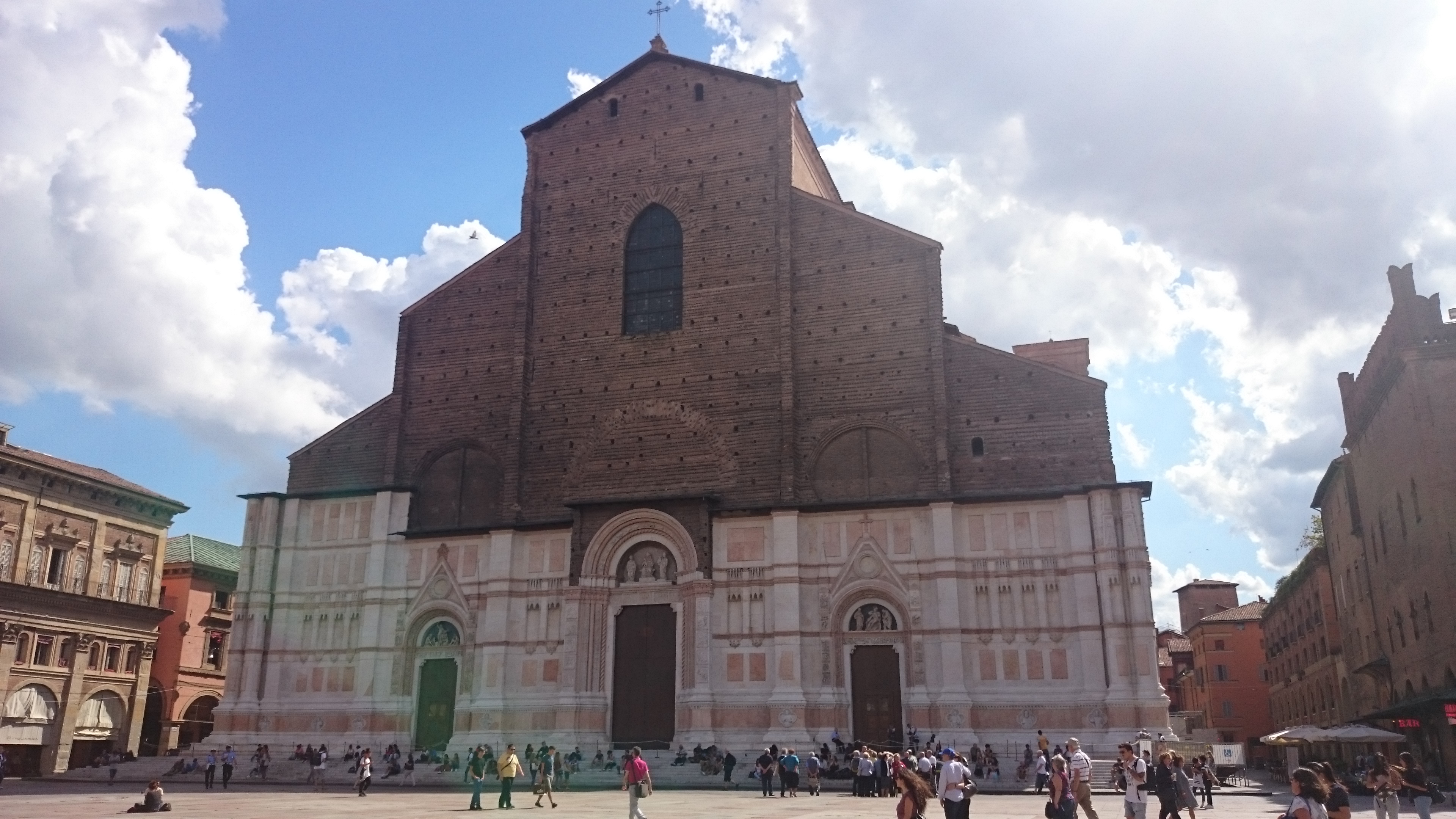
In this wide open space, you can sit, relax and enjoy an espresso or a chilled beer whilst taking in the impressive sight of the beautiful, but unfinished 14th Century Basilica di San Petronio. Opposite, you will find some open topped tour buses that will whisk you around the city for about €13.

DSC_1164

If you have a got a head for heights, why not head for Le Due Torri (The Two Towers), situated in Piazza di Porta Ravegnana at the head of Via Rizzoli? It is the taller ‘Torre degli Asinelli’ that is open to the public, and from there you can enjoy commanding views over Bologna

This comes at a price though; you will need to climb an impressive 498 steps to reach the top, so a strong pair of lungs as well as a head for heights will be required.

Unsurprisingly, Bologna is replete with restaurants, trattorias (less formal than a restaurant – think Bistro), café’s and numerous gelateria. I guarantee that you will be more than satisfied.

And being the home of Bolognese sauce (hence Spag Bol), you can of course try the real thing – known more accurately as ‘Tagliatelle al Ragu.’ The term ‘Ragu’ is distilled from a French verb meaning to ‘stimulate the appetite.’ Or why not try another local favourite, ‘Wild Boar and Polenta?’

Venice (Venezia)

Situated in the neighbouring region known as the Veneto, Venice is a two hour train journey from Bologna. Emerging from the Railway Station you are immediately wowed by the impressive and beautiful Grand Canal.

With a 24 hour Vaporetto (water bus) pass in hand, purchased from the tourism office on the platform (€20), we headed immediately for water bus stop number 1.

Vaporetto No.1 basically stops everywhere between the railway station and Lido de Venezia (Venice Lido). The Lido is one of the outlying islands, and has an altogether different feel to the main city itself.

DSC_1396

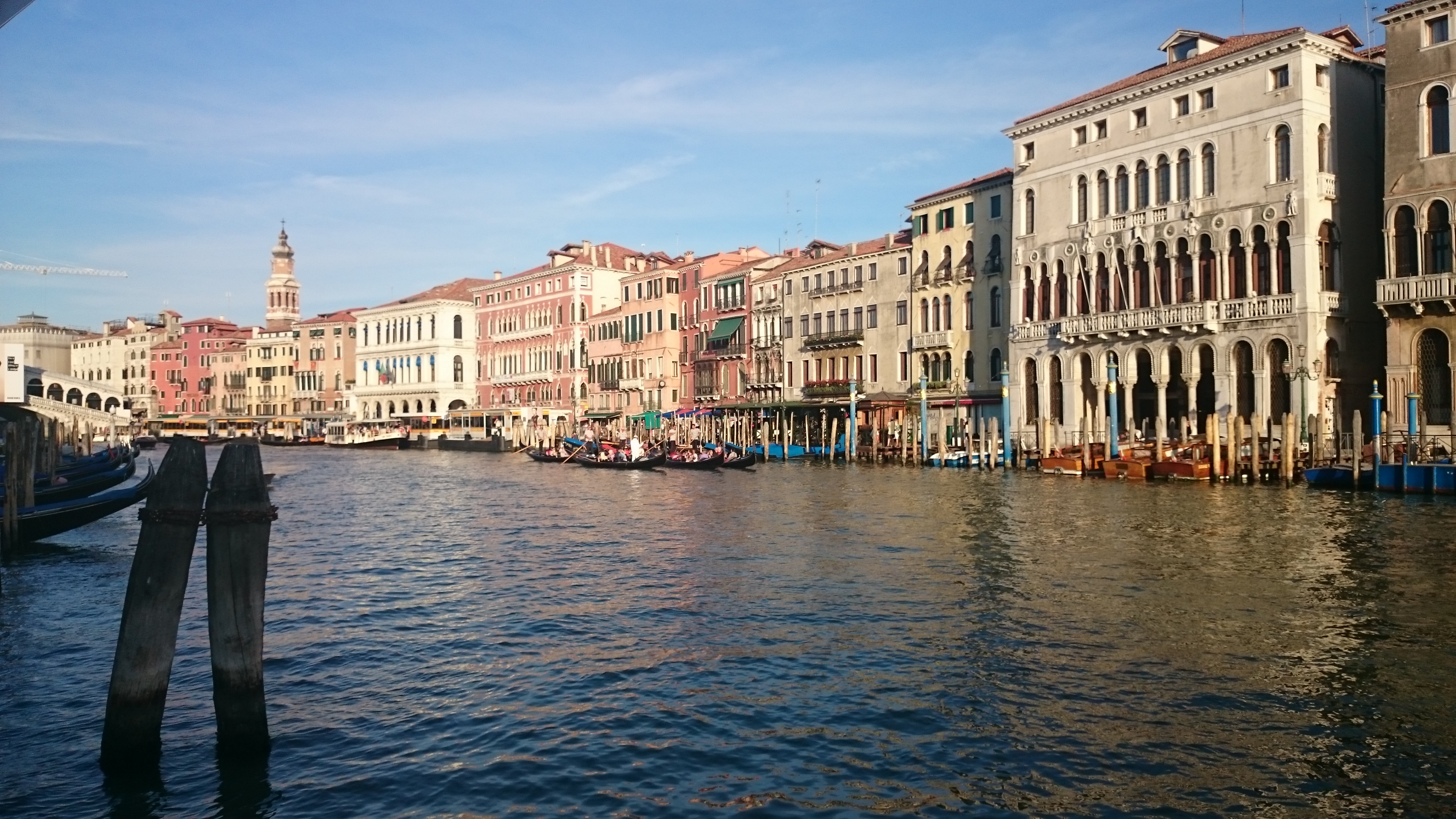
Now the Vaporetto may not be the most comfortable option, as the boats are usually crowded, but it is cheap. Cruising down the Grand Canal as it snakes its way through the heart of the city is an absolute must. One beautiful building after another slips out of sight as you glide down this main arterial waterway.

The front doors of these fine-looking & elegant buildings along the Grand Canal are perched precariously above the waterline, often with a boat tied up nearby just the way you would park your car on the drive or road.

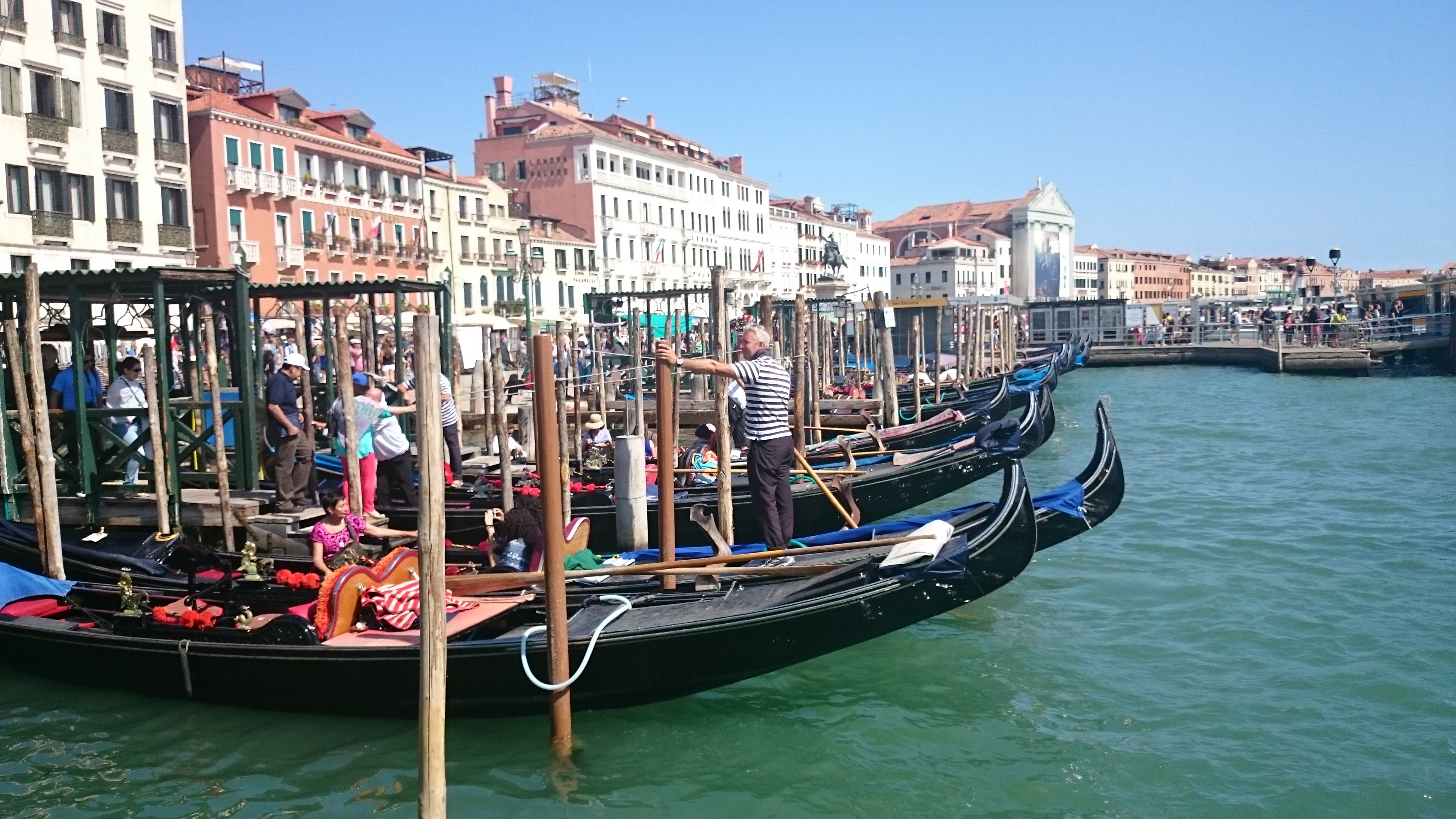
As we stepped off the Vaporetto at the iconic Piazza San Marco (St Mark’s Square), we were treated to that thoroughly unique and truly Venetian of sights: a flotilla of beautifully crafted gondolas, and their gondoliers, bobbing on the Adriatic. Truly, if romance is what you are looking for, then Venice has it by the bucket load!

Any visit here should include popping into the stunning Basilica di San Marco. The interior of this cavernous cathedral will have you literally reeling as you look inexorably up at the dazzling sight of the gold mosaic covered walls, arches and domes.

Florence (Firenze)

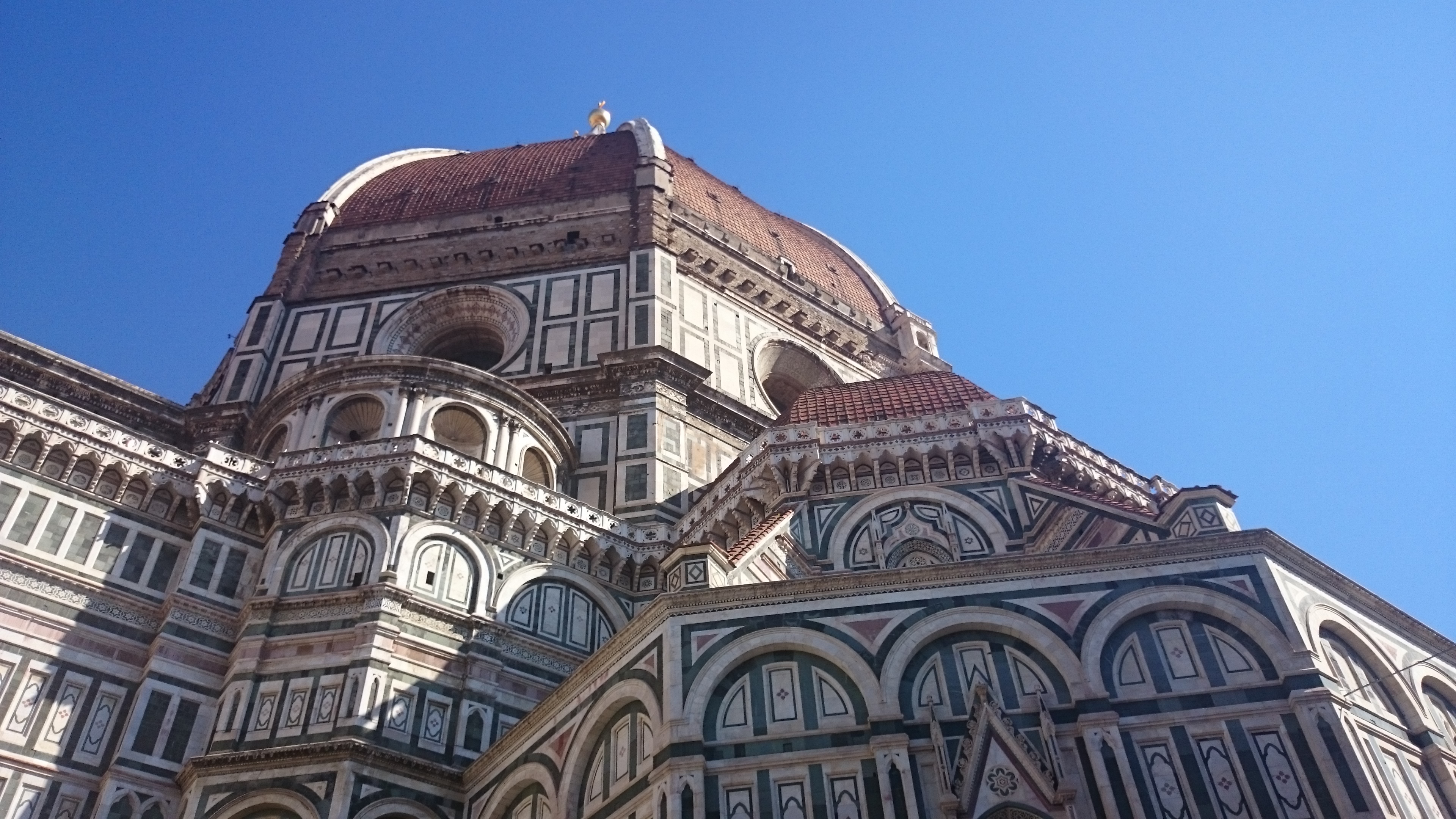
Hop on a train again at Bologna Centrale and this time head south for a mere 40 minutes, and you will arrive in the Tuscan capital of Florence (Firenze if you’re local). A leisurely 10-15 minute walk will bring you into the beautiful Piazza del Duomo and face to face with the marbled façade of Cattedrale di Santa Maria del Fiore. Known simply as, Duomo.

Whilst entrance to the cathedral is free, you can purchase a combined ticket for €10 from automated ticket machines nearby, which will give you access to the dome, baptistry, bell tower, crypt and the museum. However, it is Filippo Brunelleschi’s magnificent, red tiled dome that is the real draw here.

DSC_1429

Once you have ascended the 463 stone steps (not for the faint-hearted), to the top of the cupola of Santa Maria del Fiore, you will be treated to unparalleled views across this historic city in every direction.

Food is never far away, and having exited the cathedral, we soon found ourselves in nearby Piazza della Signoria, tucking into pizza just across the way from the remarkable and imposing Palazzo Vecchio, which overlooks the square.

A further 5 minutes walk will bring you to the classic arches of the Ponte Vecchio which span the Arno River. Medieval in structure but Roman in origin, this eye-catching landmark will at once be immediately recognisable, and is a definite ‘must see’ whilst in Florence.

Famed for the many jewellery shops that inhabit both sides of this crowded and busy bridge, you will find plenty of gift ideas for your journey home.