Marco, from the local tourism office, picked me up for the half-day car tour and heading southwest out of Iglesias, we drove towards Carbonia. As the beautiful and evocative landscape passed by my window, I listened to and imbibed his immense knowledge of the area. The Province of Carbonia-Iglesias in Southern Sardinia has a long history of mining which was very evident, as I had already seen the disused mining foundry on the outskirts of Iglesias, and now the empty and desolate mining complex at Monteponi. Finally arriving at our destination, I anticipated an interesting an informative morning, discovering more of this region’s rich history and cultural heritage.
Walking into the reception area, I discovered that Loredana was our guide for the morning. She was friendly and sparkling, and welcoming both Marco and I, made us feel right at home. We then joined with a large & excited party of Spanish students who were clearly enjoying themselves with this extra curricular learning opportunity, so Loredana spoke in English for them and for me, which was immensely helpful.
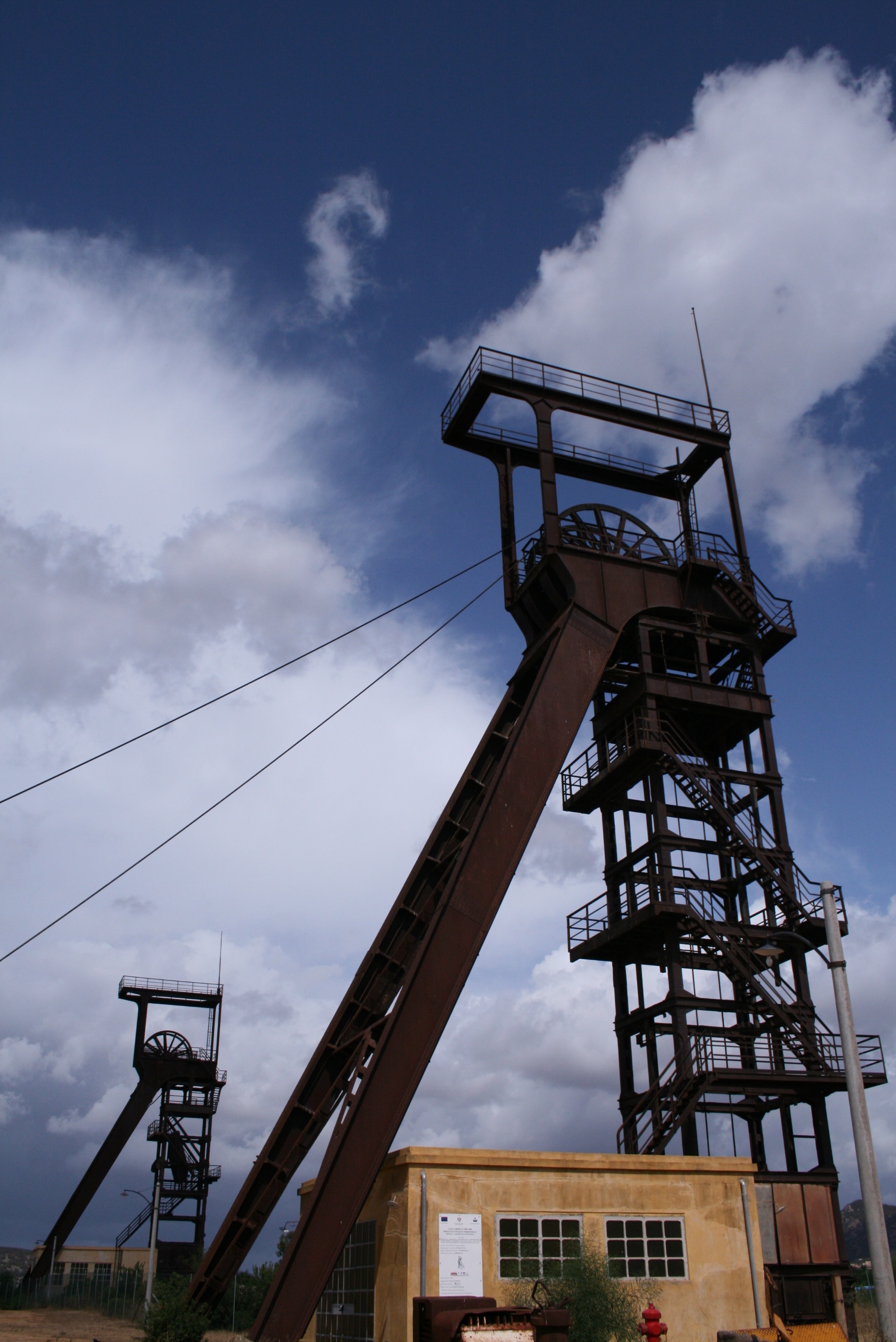
It was fascinating to learn about the town of Carbonia and how it had been built in the 1930’s by Mussolini, becoming active in 1937. Carbonia had been advertised and ‘sold’ in this way: The Italian people were called to come and work in the coal mine and Carbonia itself, in return for houses, jobs, amenities, a nice life and of course, money. Settling into their new environment, the inaugural citizens soon found they were giving a lot of their wages away in rent, fees and as a result, were paying for the upkeep of the new town. The Carbonians were not able to save because of the sheer cost of living, and weren’t very secure, financially.
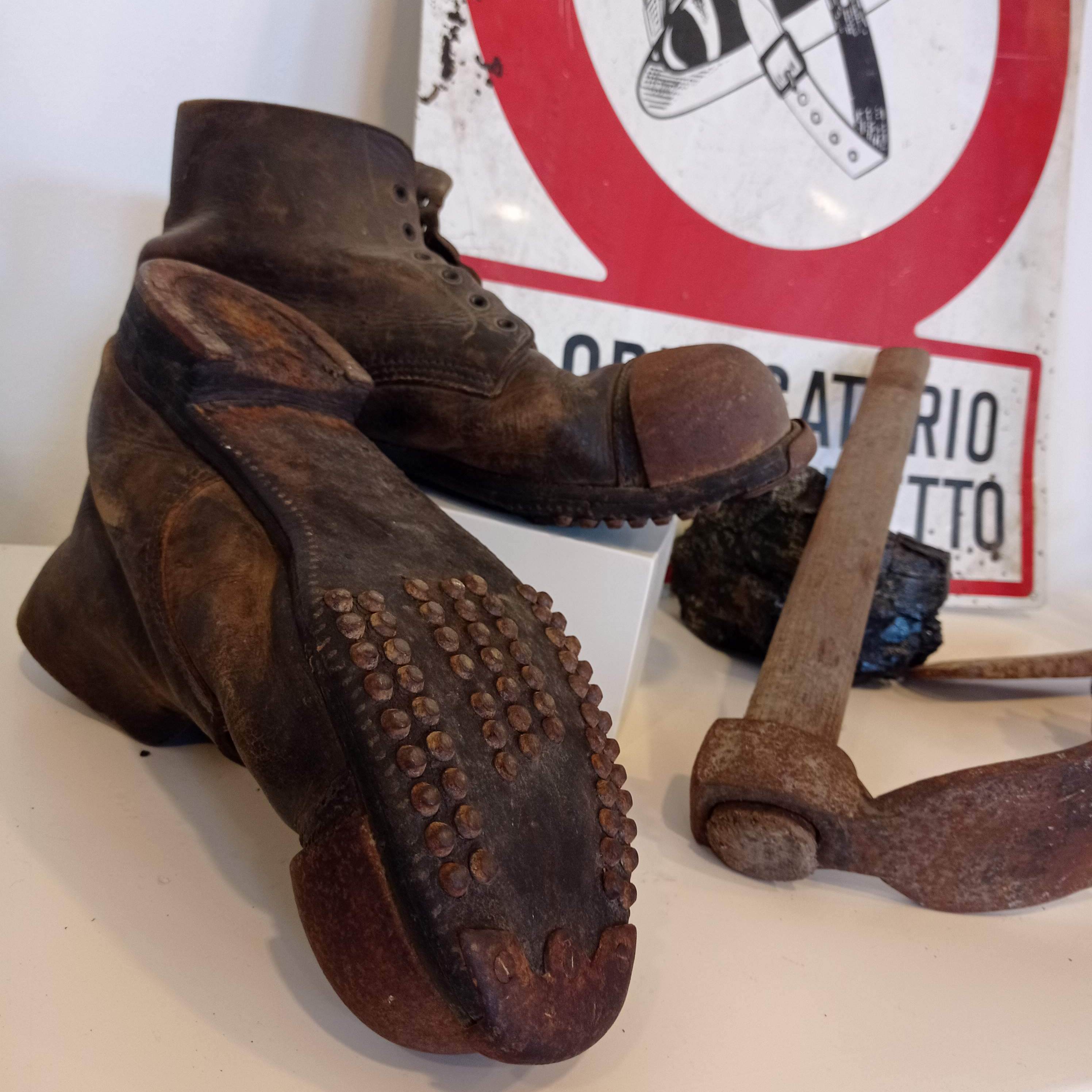
And of course, there were the mining conditions, as the miners were working underground for 16 hours a day. It is hard to imagine in this day and age being underground for all of that time. Loredana told us that the new miners were becoming photo sensitive because they were in there in the dark for so long, and with all the dust and working conditions, it was not good at all. Carbonia wasn’t quite the ‘El Dorado’ that the new citizens had been led to believe. Our guide for the morning portrayed the story of Carbonia very vividly.
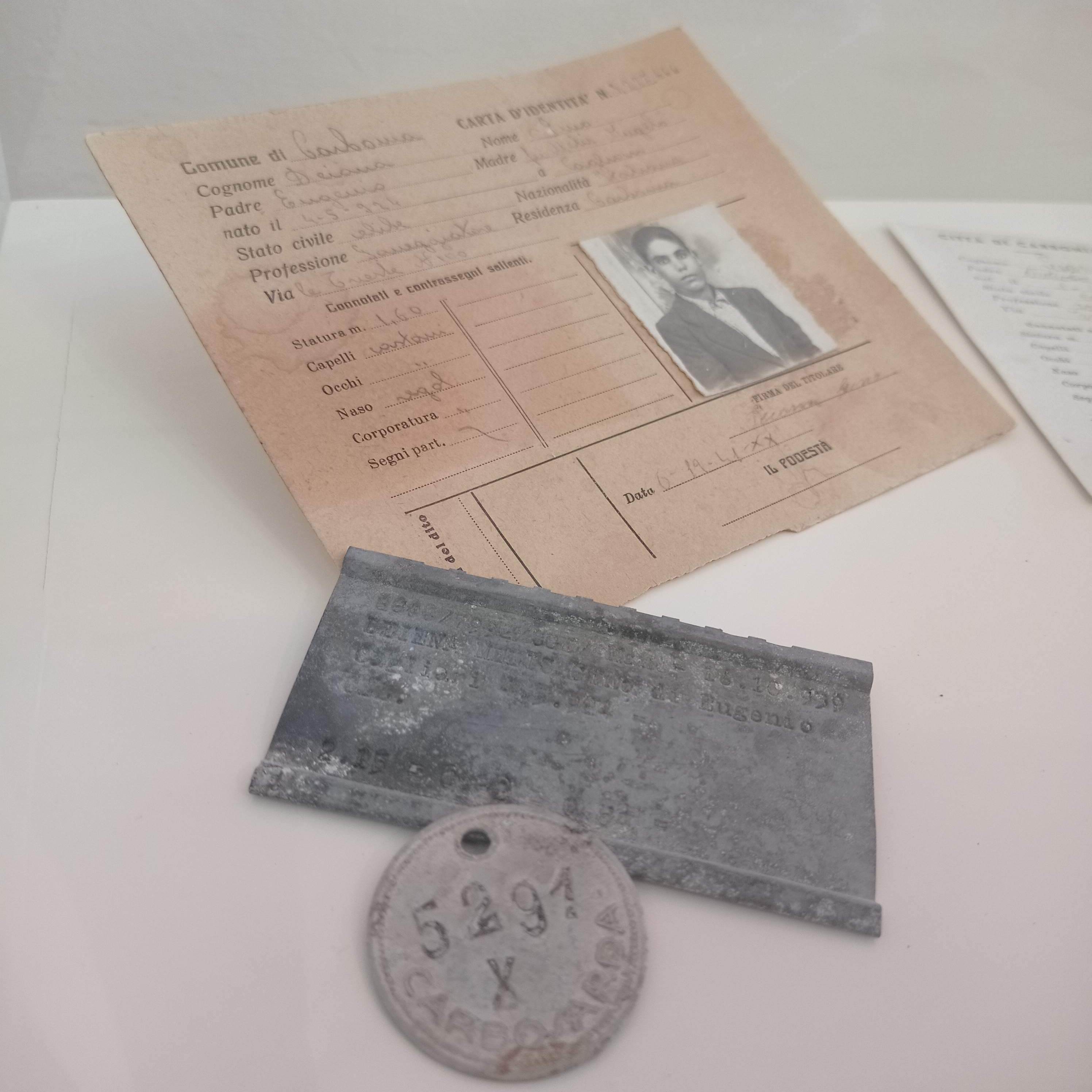
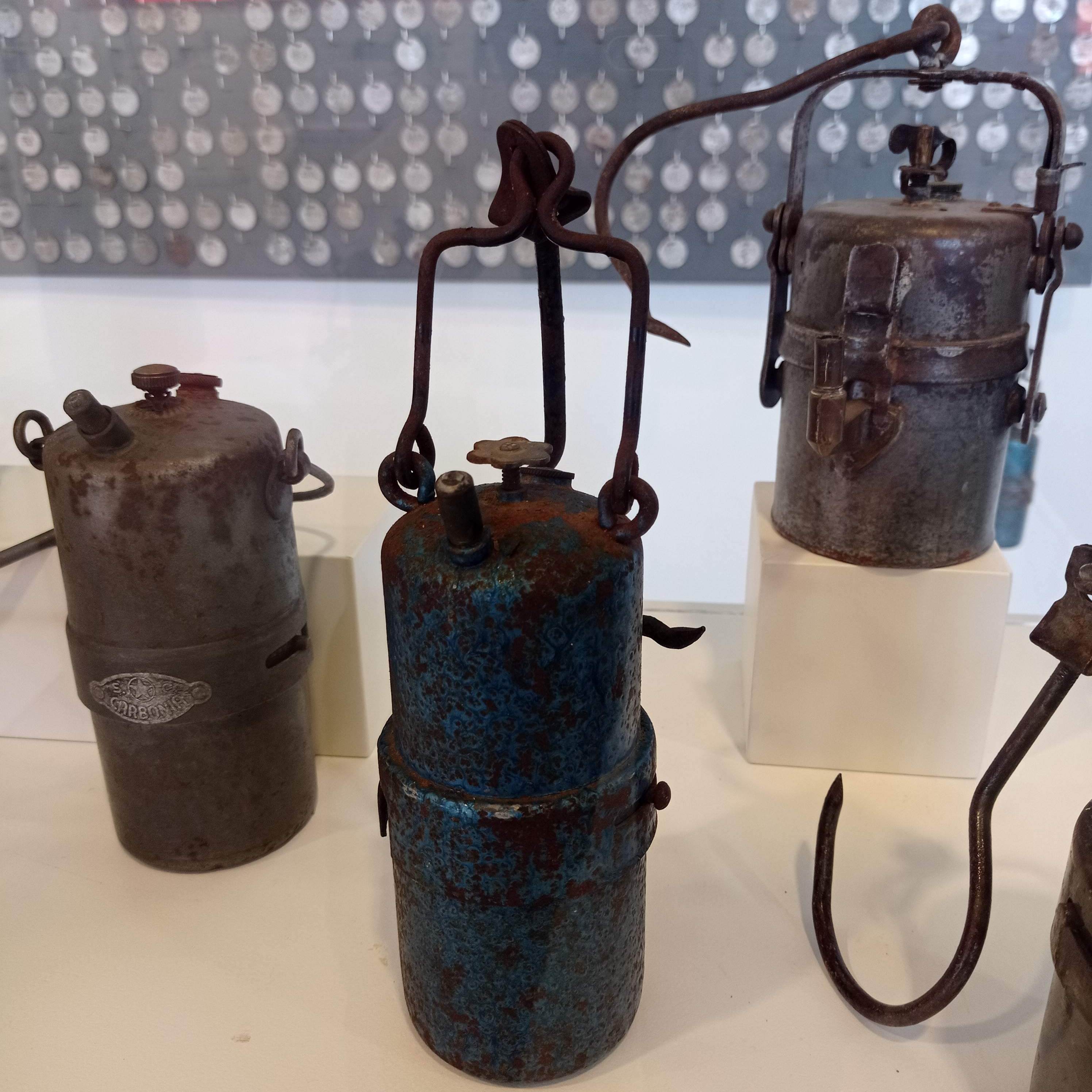
After I had told Loredana where I was from, she informed Marco and I that she had previously come to my home city of Bristol, purely to see the various Banksy pictures dotted here and there around the city. Relaying her own story of being a tourist, Loredana had found the city a really hip, enjoyable place to be, and did mention a particular Banksy picture which, if I understood her correctly, is his salute to the Johannes Vermeer’s 1665 painting, the ‘Girl with a Pearl Earring.’ His nod to the famous Dutch painter is tucked away on a wall in the Albion Dockyard on Hanover Place, which I realised that I have walked past on several occasions but have never noticed. Shame on me, but I will remedy this next time I visit the harbour area.
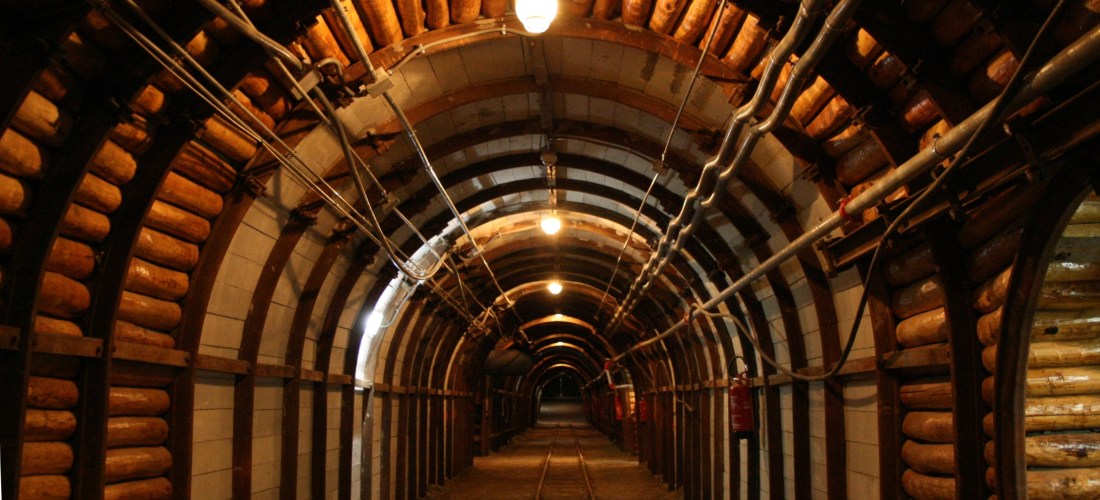
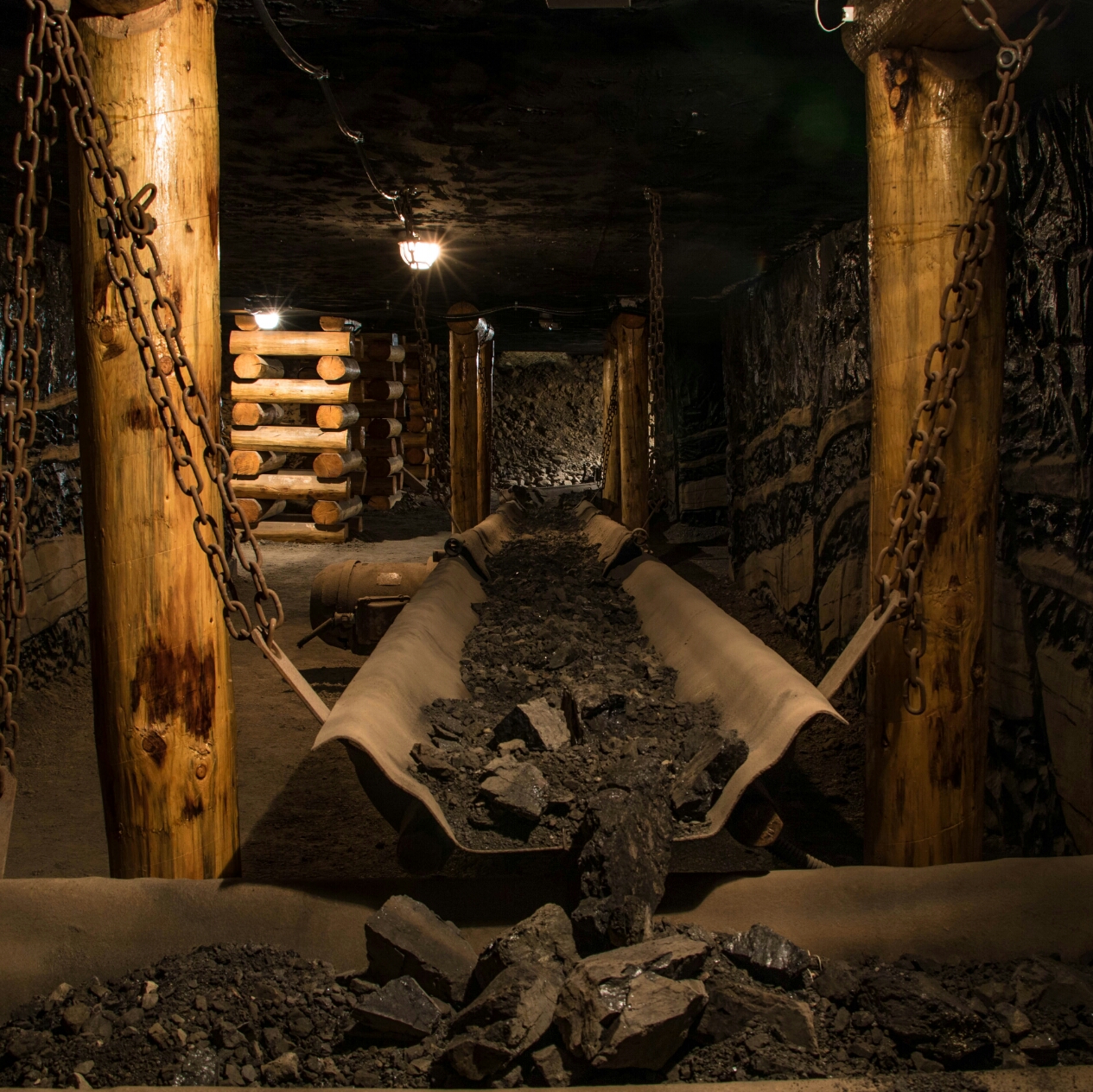
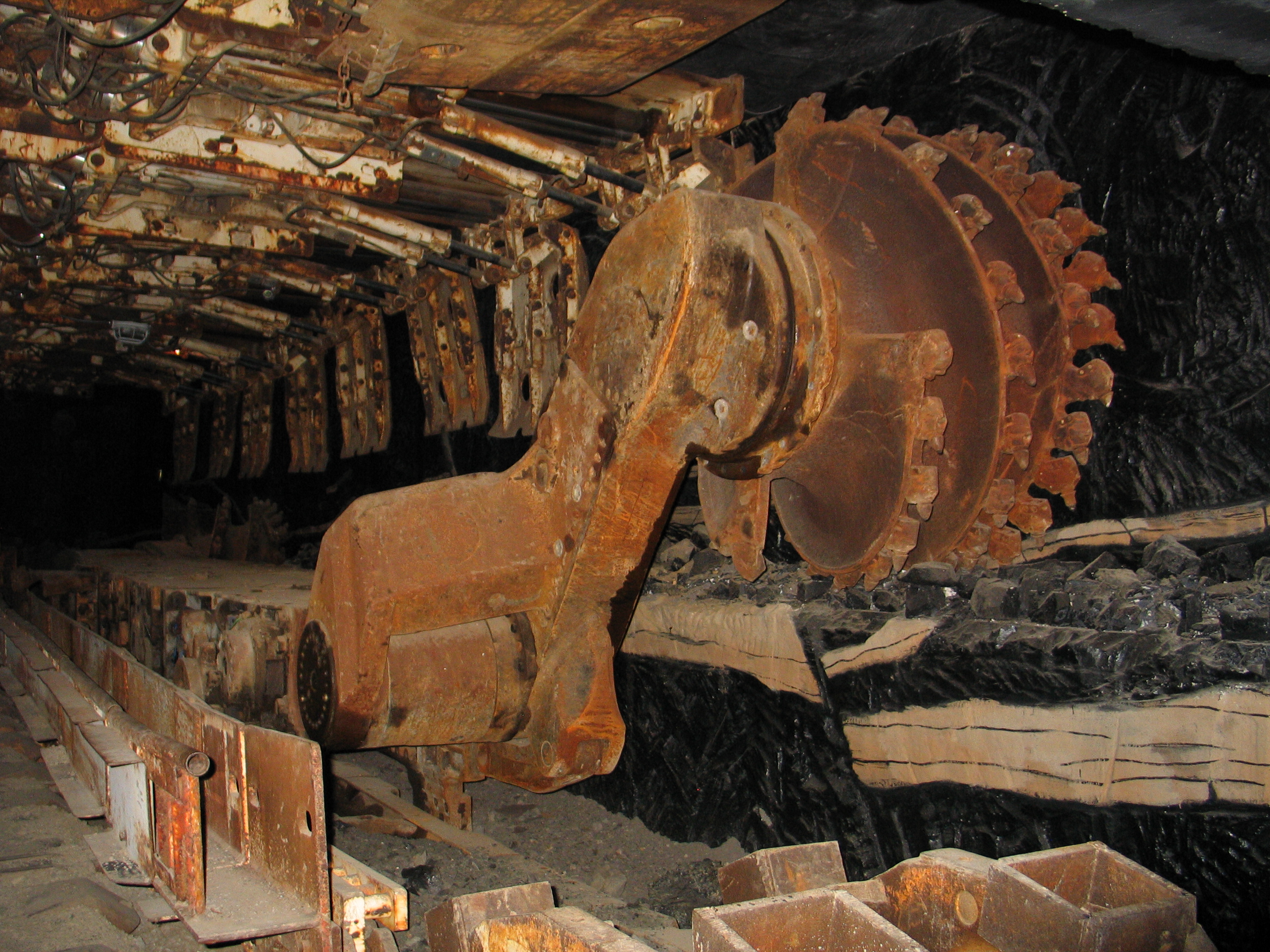
Loredana led us underground and we had a chance to explore the mine shafts or galleries (tunnels), examining several types of mining and excavation equipment. Notably, there was the ferocious and powerful looking continuous miner that tore coal straight off the coalface and fed it back onto a travelator / conveyor belt. The rock laden belt would then empty into an open mineral wagon, and off it would go, transported by the system of railways that had been purposely constructed for the speedy evacuation of the precious coal.
The maze of galleries (tunnels) was like an underground factory, and we were even shown the miners toilet, but I can’t remember how that worked exactly and wondered where it was emptied. It’s truly amazing the things that you consider! There were also hydraulic ramps, pistons and cantilevers reassuringly keeping the roof up because of the immense weight above our heads. Having little or no previous exposure to the workings of a coal mine, it was interesting exploring underground and seeing what life would have been like for the men that worked in those challenging and cramped conditions.
Typically, I managed to lose my sunglasses. They were hanging off my shorts pocket as I had walked back into the reception area, but later, I couldn’t find them. Loredana, who was always the very caring host, saw my obvious displeasure and asked me what was wrong. I confessed my temporary senility and told her that had I lost my sunglasses, but no sooner had I spoken the words out loud, one of the young Spanish students (God bless her), produced them from her bag and said she had found them. That was exceedingly kind, and a minor inconvenience was subsequently averted!
Saying our goodbyes to Loredana, we left Carbonia, heading southwest towards the island of Sant’Antioco and its town of the same name. I confess when Marco had initially proposed a visit to the mining complex and museum, I wasn’t entirely sure how engaging it would be. However, I am pleased to report that it was very much a worthwhile visit, and I was grateful that he included it in our itinerary for the morning. If you should find yourself in Carbonia-Iglesias, I encourage you to do the same.
*All images courtesy of the Coal Museum, CICC Italian Coal Culture Centre, Great Mine of Serbariu, 09013 Carbonia SU
 John Raby's Food & Travel